
National Leprechaun Day
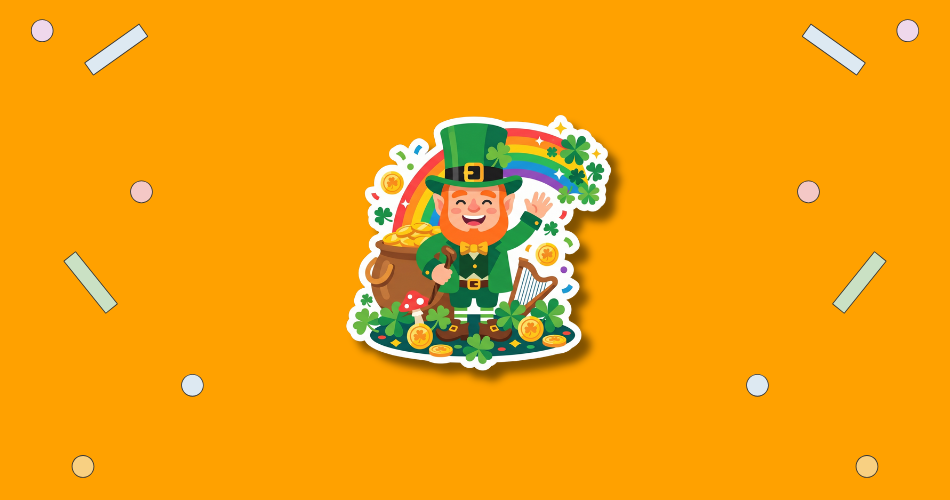
National Leprechaun Day is celebrated on May 13. In 2027, this date falls on a Thursday. This holiday honors the solitary and mischievous figures from Irish folklore known for their hidden treasure and shoemaking skills. While often associated with St. Patrick’s Day, this dedicated date allows for a specific focus on the legends and cultural impact of the leprechaun. It provides an opportunity to explore the traditional myths that predate modern interpretations.
Contents
See also: International Fairy Day, Mermaid Day, National Unicorn Day, National Tooth Fairy Day, Spring Fairy Fun Day
HT Meter
Does this day matter to you?
Tap the meter if it does, and say whether you will be celebrating — that is what opens the wishes from everybody else who will be.
This day matters to me
0 Be the first to say so
Just getting started
0 Let others know you’re in.
Wishes, greetings and stories
Join the celebration to share a wish, a greeting, or how this day goes in your house.
These are kept for the people celebrating this day. Say you will be celebrating to read them and to add your own.
You have already shared something here recently.
Nothing here yet. Yours would be the first.
History of National Leprechaun Day
Research into the origin of National Leprechaun Day shows that it existed online prior to 2000. There is no official presidential proclamation or congressional record for the holiday, suggesting it began as a grassroots movement in the United States or Canada. Some sources suggest it was established as a way to enjoy Irish culture two months after the busy celebrations of St. Patrick’s Day.
National Limerick Day
The figure of the leprechaun dates back to at least the 8th century, appearing in medieval manuscripts as a “luchorpán,” meaning a small-bodied fellow. Originally described as wearing red square-cut coats and cocked hats, their appearance shifted toward the iconic green suit in the 20th century. In traditional lore, these creatures are solitary cobblers who serve as the treasurers of the fairy world, guarding plundered Danish gold in hidden locations across the countryside.
Why is National Leprechaun Day important?
This day is significant because it highlights the complexity of Irish mythology beyond commercial mascots. Leprechauns represent the Aos Sí, or the people of the mounds, who are believed to be descendants of ancient deities. By dedicating a day to these specific entities, the holiday preserves the oral storytelling traditions that define Celtic heritage. It encourages people to look deeper into the moral lessons found in these tales, such as the dangers of greed and the power of wit.
The leprechaun has also evolved into a global symbol of luck and perseverance. From cereal boxes to professional sports logos, the image of the leprechaun is deeply embedded in American popular culture. Celebrating this holiday acknowledges the influence of Irish immigrants on the global entertainment landscape. It serves as a bridge between ancient spiritual beliefs and the playful imagination of the modern world.
- These stories help keep ancient Celtic mythology alive in the modern era
- The figure of the leprechaun serves as a source of pride for the Irish diaspora
- Legends teach children about the value of cleverness and quick thinking
- The holiday promotes an interest in the history and geography of Ireland
- Folk tales provide a sense of wonder and magic in everyday life
How to Celebrate National Leprechaun Day
Make it yours
How would you like to spend National Leprechaun Day?
Tick what fits you, and we will put together ideas made for this day — not for any day.

St. Patrick's Day
A popular way to observe the day is by building leprechaun traps using small boxes and shiny objects to attract the mythical creatures. Families often read traditional Irish fairy tales or the poetry of William Butler Yeats to understand the original descriptions of these beings. Wearing green clothing or buckled shoes is a simple way to participate in the festive theme of the day.
Gathering with friends to enjoy Irish-themed food is another common activity. Many people bake soda bread or prepare green-colored snacks to mark the occasion. Sharing trivia about the differences between leprechauns and their mischievous cousins, the clurichauns, adds an educational element to the celebration. Visiting local Irish cultural centers or libraries can provide more information on how these legends have changed over the centuries.
- Read a collection of classic Irish fairy tales with your family
- Create a small trap using a box and fake gold coins
- Wear a green outfit or a hat with a gold buckle
- Make a batch of traditional Irish soda bread or green cookies
- Learn a few words of Irish Gaelic related to folklore and nature
National Leprechaun Day Dates Table
| Year | Date | Day of the week |
|---|---|---|
| 2026 | May 13 | Wednesday |
| 2027 next | May 13 | Thursday |
| 2028 | May 13 | Saturday |
| 2029 | May 13 | Sunday |
| 2030 | May 13 | Monday |