
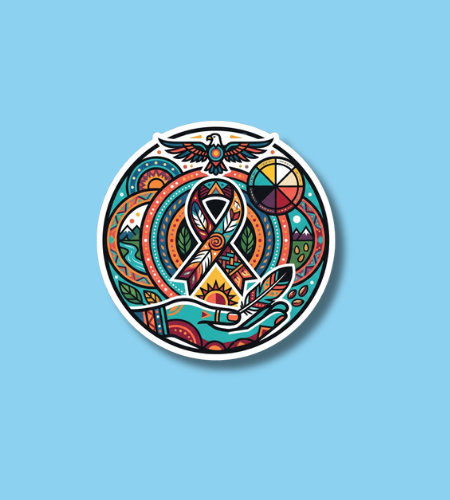
National Native HIV/AIDS Awareness Day is observed on March 20. This day is a nationwide effort to boost HIV/AIDS awareness, encourage testing, and promote prevention and treatment within American Indian, Alaska Native, and Native Hawaiian communities. It serves as a reminder to honor those living with the virus and to remember those lost to the epidemic while fostering a culturally responsive environment for healthcare.
Table of Contents
History of National Native HIV/AIDS Awareness Day
The holiday was first established in 2007 through a collaborative effort involving several prominent organizations, including the National Native American AIDS Prevention Center and the Inter Tribal Council of Arizona. The founders chose the Spring Equinox as the date for this observance because it represents a time of renewal, balance, and equality. In many Native cultures, the first day of spring is a period for a celebration of life, making it a symbolic moment to address health and well-being within the community.
Over the years, the observance has expanded to include a wide network of federal and community partners, such as the Indian Health Service and the Centers for Disease Control and Prevention. Each year, the campaign adopts a specific theme to focus its messaging, such as “Strength. CommUnity. Equity.” or “It’s all relative, our experience makes a difference.” These themes emphasize that while Native communities have faced historical trauma and healthcare disparities, their resilience and cultural values remain the most powerful tools in ending the HIV epidemic.
Why is National Native HIV/AIDS Awareness Day important?
This day is vital because it addresses the disproportionate impact of HIV on Indigenous populations and the specific barriers to care they face. Native communities often experience higher rates of poverty and limited access to healthcare, particularly in rural or reservation settings. By focusing on these challenges, the holiday helps direct resources toward enhancing HIV testing and expanding access to medical interventions like PrEP and PEP. It highlights the need for data accuracy, as racial misclassification often leads to an underestimation of the true number of Native people living with HIV.
The observance also plays a crucial role in reducing the stigma and discrimination that can prevent individuals from seeking help. Culturally grounded approaches that respect the traditions and beliefs of over 560 federally recognized tribes are essential for effective outreach. By centering Native voices and promoting community-driven solutions, the day empowers individuals to take charge of their health. It serves as a call to action for healthcare providers to offer culturally sensitive care that acknowledges the intersection of physical health and social determinants.
- It raises awareness about the impact of HIV on American Indian and Alaska Native people.
- The day promotes routine HIV testing to ensure early diagnosis and linkage to care.
- It highlights the importance of viral suppression in improving long-term health outcomes.
- The holiday encourages the use of culturally appropriate prevention and education materials.
- It advocates for better health equity and the removal of barriers to modern medical treatments.
How to Observe National Native HIV/AIDS Awareness Day
Observing this day often begins with education and a personal commitment to health. Many people choose to get tested for HIV, recognizing that knowing one’s status is the first step in protecting themselves and their community. Tribal health centers and urban Indian organizations frequently host community events, such as health fairs, where individuals can access free testing, counseling, and information on prevention. Participation can also involve attending webinars or town hall meetings that discuss the specific health needs of Indigenous populations.
Support can also be shown through digital advocacy and the sharing of culturally relevant resources. Using social media to post infographics or messages of support for those living with HIV helps break down the silence and fear surrounding the topic. You can wear a red ribbon alongside traditional Native attire or symbols to represent the union of health awareness and cultural pride. For those not in the healthcare field, simply listening to the stories of survivors and advocates helps foster the empathy and solidarity necessary to sustain the fight against the epidemic.
- Get tested for HIV and encourage friends and family members to do the same.
- Attend a local health fair or educational workshop hosted by a Native organization.
- Share culturally specific HIV prevention resources on social media platforms.
- Learn about the historical and social factors that contribute to health disparities.
- Wear a red ribbon to show support for people living with and affected by HIV/AIDS.
National Native HIV/AIDS Awareness Day Dates Table
| Year | Date | Day |
|---|---|---|
| 2026 | March 20 | Friday |
| 2027 | March 20 | Saturday |
| 2028 | March 20 | Monday |
| 2029 | March 20 | Tuesday |
| 2030 | March 20 | Wednesday |
Subscribe to our newsletter and never miss a holiday again!