
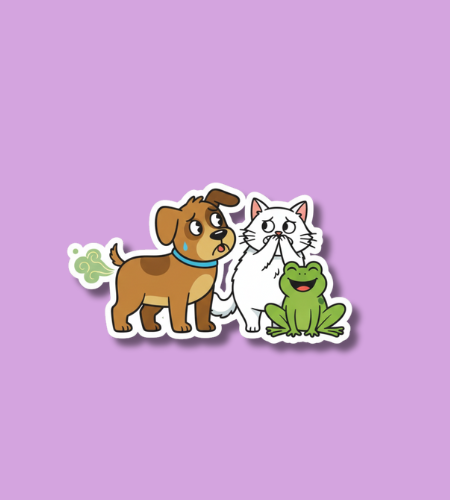
National Pass Gas Day is a lighthearted observance dedicated to the natural bodily function of flatulence and is celebrated on January 7. This day encourages people to embrace a universal human experience with humor while also acknowledging the biological necessity of releasing intestinal gas.
Table of Contents
History of National Pass Gas Day
The origins of this specific calendar date are largely attributed to internet-based holiday creators who sought to highlight the more humorous side of human physiology. However, the cultural history of the subject stretches back to antiquity. The oldest recorded joke in history, found on a Sumerian clay tablet dating back to 1900 B.C., is a quip about a young woman passing gas in her husband’s lap. Throughout various eras, different societies have cycled between viewing the act as a harmless natural event and a social taboo.
In Western literature, the subject has been addressed by notable figures like Benjamin Franklin, who wrote a satirical essay titled “Fart Proudly” in 1781. Franklin argued that scientists should develop a way to make the odor of gas more pleasant, as the physical discomfort of holding it in was detrimental to health. During the late 19th century, professional “fartists” like Joseph Pujol, known as Le Pétomane, even turned the ability to control intestinal air into a popular stage act at the Moulin Rouge in Paris.
Why is National Pass Gas Day important?
From a medical perspective, the day serves as a reminder that flatulence is a sign of a working digestive system. Most people produce between one and four pints of gas daily as a byproduct of bacteria breaking down food in the colon. Normalizing the discussion around this topic helps reduce the stigma associated with digestive issues. It provides an opening to discuss gut health, food intolerances, and the importance of fiber in a diet without the usual embarrassment.
The holiday also promotes psychological well-being through humor and stress relief. Laughter triggered by silly or “low-brow” jokes can lower cortisol levels and foster a sense of shared humanity. By acknowledging a function that every person performs regardless of status or culture, the day acts as a social equalizer. It encourages people to stop taking social etiquette too seriously for twenty-four hours and find joy in the absurdity of the human body.
- It highlights the biological process of bacterial fermentation in the colon.
- The day reduces social anxiety surrounding inevitable bodily functions.
- It provides an opportunity to check for symptoms of digestive disorders.
- Humor related to the holiday helps lower stress and improve mood.
- It celebrates the historical and literary tradition of flatulence-based wit.
How to Observe National Pass Gas Day
Many people celebrate by consuming foods that are known to increase gas production to fully participate in the day’s theme. Beans, cabbage, broccoli, and dairy products are popular choices because they contain complex sugars that the human body cannot easily digest, leaving the work to gut bacteria. This often results in a more active digestive day, which participants treat as a form of lighthearted biological performance.
Other observers focus on the comedic side of the holiday by sharing jokes or using classic prank items like whoopee cushions. Some take the time to read historical essays or watch documentaries about the science of digestion to better understand how their bodies work. It is also a popular day for social media users to share funny memes or anecdotes about their most embarrassing gas-related mishaps, turning potentially shameful memories into a source of collective laughter.
- Incorporate more beans or cruciferous vegetables into your daily meals.
- Share a classic joke or a funny personal story with friends.
- Use a whoopee cushion to play a harmless prank on a family member.
- Read Benjamin Franklin’s satirical essay on the subject of gas.
- Monitor your digestive health to ensure your system is functioning normally.
National Pass Gas Day Dates Table
| Year | Date | Day |
|---|---|---|
| 2026 | January 7 | Wednesday |
| 2027 | January 7 | Thursday |
| 2028 | January 7 | Friday |
| 2029 | January 7 | Sunday |
| 2030 | January 7 | Monday |
Subscribe to our newsletter and never miss a holiday again!