



National Paste Up Day
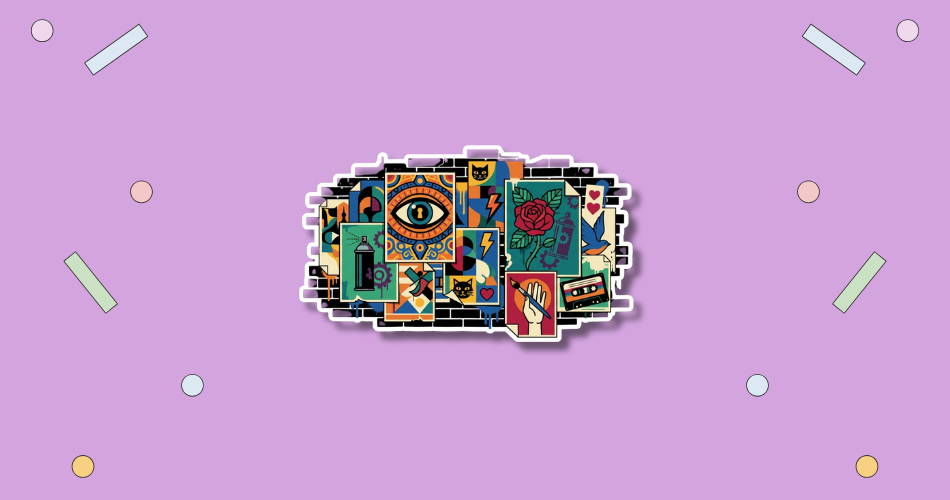
National Paste Up Day is observed on May 7. In 2027, this date falls on a Friday. This holiday recognizes the manual techniques used to design newspaper and magazine layouts before computer software became the industry standard. It honors the patience and precision of the artists who physically assembled every page of the publications people read for decades.
Contents
See also: International Snailpapers Day, Paperback Book Day, World Art Day
HT Meter
Does this day matter to you?
Say that it does, and say whether you will be marking it. Both are anonymous to nobody but kind to everybody.
This day matters to me
0 Be the first to say so
First voices
0 Nobody has said so yet
Notes of remembrance
Join those marking this day to share a word, a memory, or the reason it matters to you.
These notes are kept for the people marking this day. Say you will be marking it to read them and to leave your own.
You have already shared a note here recently.
No notes yet. Yours would be the first.
History of National Paste Up Day
Before the 1990s, every newspaper page was a physical collage. Paste-up artists, also called mechanical artists or compositors, received long strips of text known as cold type produced by phototypesetting machines. They used sharp blades and straight edges to cut these strips into specific lengths to fit the columns of a page. If an article was slightly too long for the allocated space, they had to carefully remove individual lines or adjust the vertical spacing by hand.

International Snailpapers Day
These artists worked on large boards made of stiff paper. They applied a thin layer of wax or rubber cement to the back of the text and images to stick them onto the boards. To guide their layout, they used light blue ink that would not show up when the page was eventually photographed to create a printing plate. This meticulous work required an incredibly steady hand and an eye for alignment, as even a small mistake could ruin the final look of the publication.
Why is National Paste Up Day important?
This day serves as a reminder of the craftsmanship that built the modern media landscape. Understanding how pages were once constructed gives people a deeper appreciation for the instant digital tools used today. The manual era required designers to plan every move in advance because mistakes were difficult to fix once the elements were glued down. This forced a high level of discipline and spatial awareness that continues to influence modern graphic design principles.
The holiday also highlights the history of the printing industry and the specialized roles that have since evolved or disappeared. Recognizing the work of production artists ensures that their contributions to journalism and advertising are not forgotten. It celebrates the bridge between traditional art and modern technology, showing how physical assembly techniques paved the way for current software interfaces.
- It honors the meticulous work of traditional layout artists
- The day preserves knowledge of how print media was created
- It encourages appreciation for the speed of modern technology
- This observance highlights the physical roots of graphic design
- It brings attention to the history of the newspaper industry
How to Observe National Paste Up Day
Make it yours
How would you like to spend National Paste Up Day?
Tick what fits you, and we will put together ideas made for this day — not for any day.

International Scrapbooking Industry Day
You can observe this day by putting aside the computer and creating a physical layout using scissors and glue. Gather old magazines, newspapers, and printed text to arrange your own page on a piece of cardstock. This tactile experience helps you understand the spatial challenges that artists faced every day before the digital age. It is a productive way to exercise your creativity while learning a nearly lost art form.
Another way to participate is by visiting a local library or museum to look at newspapers from the mid-20th century. Examine the edges of the text and the placement of the photos to see if you can spot the subtle signs of manual alignment. Sharing these historical examples online or with students can help explain the evolution of design. Teaching a younger generation about waxers and blue pencils ensures the history of the press stays alive.
- Create a physical collage using printed words and images
- View old newspaper archives at your local library
- Share photos of vintage print advertisements online
- Learn about the tools used by traditional production artists
- Practice page layout skills using paper and scissors
National Paste Up Day Dates Table
| Year | Date | Day of the week |
|---|---|---|
| 2026 | May 7 | Thursday |
| 2027 next | May 7 | Friday |
| 2028 | May 7 | Sunday |
| 2029 | May 7 | Monday |
| 2030 | May 7 | Tuesday |