
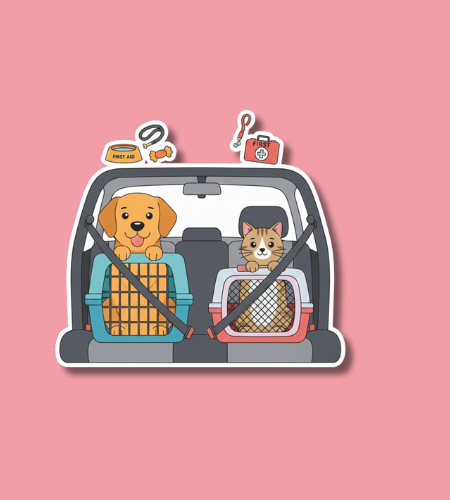
National Pet Travel Safety Day is observed annually on January 2. This day highlights the importance of keeping animal companions secure during all types of transport, from short car rides to long-distance flights. It aims to educate pet owners about the potential risks of unrestrained animals in vehicles and provides resources to ensure every journey is as safe as possible for both the pet and the driver.
Table of Contents
History of National Pet Travel Safety Day
The holiday was founded by Colleen Paige, a celebrity pet expert, animal advocate, and former EMT. During her time as an emergency medic, Paige witnessed many traffic accidents where unrestrained pets became flying projectiles or caused the crash by distracting the driver. These experiences led her to establish a specific day to raise awareness about pet travel security, emphasizing that even a low-speed swerve can result in serious injury or death for a free-roaming animal.
Initially focused on car safety, the scope of the day has expanded to include air and rail travel. It promotes the use of crash-tested safety gear, such as harnesses and crates, which were not as widely recognized when the holiday first began. Today, the event is supported by veterinary clinics, animal welfare organizations, and safety equipment manufacturers across the United States. It serves as a practical reminder at the start of the new year to prioritize the well-being of pets during travel.
Why is National Pet Travel Safety Day important?
Unsecured pets in a vehicle are a major source of driver distraction. Research shows that activities like feeding treats or playing with a pet while driving significantly increase the risk of a collision. In the event of a sudden stop or impact, an unrestrained dog or cat can strike the dashboard, windshield, or other passengers with immense force. Additionally, many modern safety features like front-seat airbags are designed for adult humans and can be fatal to small animals if they are allowed to sit in the front seat.
Ensuring a pet is properly identified and documented is equally vital for travel safety. Pets are more likely to escape or become lost in unfamiliar environments or after a stressful accident. This holiday emphasizes the need for up-to-date microchips, ID tags, and current vaccination records to prevent tragedies. By following established safety protocols, pet owners can significantly reduce the statistical likelihood of accidents and ensure that their companions remain safe throughout their life together.
- Proper restraints prevent pets from distracting the driver during transit.
- The day highlights the dangers of front-seat airbags for small animals.
- Security gear protects pets from becoming projectiles in a crash.
- It promotes awareness of state-specific pet travel laws and regulations.
- The holiday emphasizes the importance of permanent identification for lost pets.
How to Observe National Pet Travel Safety Day
The most effective way to observe this day is by investing in high-quality, crash-tested travel equipment for your pet. This includes choosing a harness that attaches to the vehicle’s seatbelt system or a sturdy crate that can be anchored in the cargo area or backseat. Owners should also take the time to acclimate their pets to these restraints with short, positive practice drives before embarking on a major trip. This helps reduce the pet’s anxiety and prevents motion sickness during longer journeys.
Preparation also involves organizing a comprehensive pet travel kit. This kit should include items like a first-aid kit, enough food and water for several days, familiar bedding, and copies of medical records. It is also recommended to visit a veterinarian before traveling across state lines to ensure all vaccinations are current and to obtain a health certificate if required. By focusing on these logistical details, owners can ensure a smooth transition from home to their final destination without unnecessary stress.
- Use a crash-tested harness or crate for every car trip.
- Place pets in the backseat to avoid injury from front-seat airbags.
- Update your pet’s microchip contact information online.
- Pack a travel bag with food, water, and first-aid supplies.
- Take frequent breaks for exercise and hydration during long drives.
National Pet Travel Safety Day Dates Table
| Year | Date | Day |
|---|---|---|
| 2026 | January 2 | Friday |
| 2027 | January 2 | Saturday |
| 2028 | January 2 | Sunday |
| 2029 | January 2 | Tuesday |
| 2030 | January 2 | Wednesday |
Subscribe to our newsletter and never miss a holiday again!