

National Pfeffernusse Day is a culinary observance dedicated to the spiced German cookie, celebrated annually on December 23. This day encourages baking enthusiasts and families to enjoy these unique, flavor-packed treats just before Christmas Eve.
Table of Contents
History of National Pfeffernusse Day
The origins of the cookie itself trace back to Germany, with references appearing as early as the 18th century. The name “Pfeffernusse” translates literally to “pepper nuts,” a moniker derived from the pinch of white or black pepper in the dough and the cookie’s small, nut-like shape. While modern recipes sometimes include walnuts or pecans, the original versions did not strictly require nuts. These treats were traditionally associated with the Feast of St. Nicholas on December 6, where they were often given to children as rewards, but over time they became a staple of the entire Christmas season.
The specific origin of the “National Day” observance on December 23 is less documented, likely arising from American food calendars to highlight traditional holiday baking. It falls strategically right before Christmas, aligning with the custom that pfeffernusse improve with age. Because the cookies are quite hard immediately after baking, they are often made days or weeks in advance and stored in airtight containers. This aging process allows the molasses, honey, and spices to meld and the texture to soften, making December 23 an ideal time to serve the batch baked earlier in the month.
Why is National Pfeffernusse Day important?
This day highlights a distinct departure from the typical sugar cookies and gingerbread men that dominate American holiday trays. Pfeffernusse offers a complex flavor profile that combines the heat of pepper with the warmth of cinnamon, cloves, allspice, and anise. This unique combination serves as a culinary link to Old World traditions, preserving recipes that have been handed down through generations of German, Dutch, and Mennonite families.
Furthermore, the observance encourages the appreciation of baking techniques that prioritize patience and preservation. Unlike soft-baked cookies that stale quickly, pfeffernusse are designed to endure winter. Celebrating this day reminds people of the value of preparing food with foresight and the simple joy of sharing durable, travel-ready treats with neighbors and friends during the cold winter months.
- The cookies provide a spicy alternative to standard sweet treats.
- It connects people to European culinary history.
- The day promotes the tradition of baking from scratch.
- It serves as a reminder to prepare food for upcoming gatherings.
- Families pass down specific spice blends through generations.
How to Celebrate National Pfeffernusse Day
The most authentic way to observe this day is by baking a batch of cookies from scratch. Recipes vary by region, but a traditional dough will include molasses, honey, and a robust spice blend. Once baked, the cookies should be rolled in powdered sugar while still warm. Since they are traditionally hard, many people choose to dunk them in hot coffee, tea, or even a sweet dessert wine to soften the texture and enhance the spicy notes.
For those who do not bake, visiting a local German bakery or specialty market is a great alternative. Many authentic bakeries produce these cookies only during the holiday season. You can also host a tasting event where you compare different varieties—some are glazed with icing, while others are dusted with confectioners’ sugar. Sharing these cookies with older relatives often sparks conversations about their own childhood holiday memories.
- Bake a fresh batch using a traditional German recipe.
- Dunk the cookies in hot tea or coffee to soften them.
- Visit a local bakery to buy authentic pfeffernusse.
- Gift a tin of cookies to neighbors or colleagues.
- Research the different regional spice variations of the cookie.
Simple Pfeffernusse Cookies Recipe
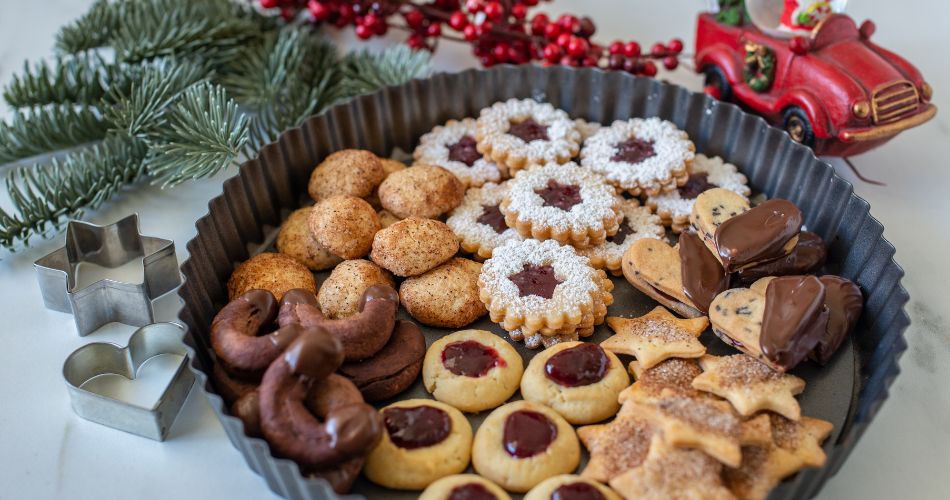
Here is a straightforward recipe for these classic German spice cookies. They are known for their depth of flavor and firm texture, which makes them perfect for dipping in coffee or tea.
Ingredients
- 1/2 cup unsalted butter, softened
- 1/2 cup molasses (or dark honey)
- 1/4 cup brown sugar, packed
- 1 large egg
- 2 1/2 cups all-purpose flour
- 1/2 teaspoon baking soda
- 1/4 teaspoon salt
- 1 teaspoon ground cinnamon
- 1/2 teaspoon ground cloves
- 1/2 teaspoon ground ginger
- 1/2 teaspoon ground allspice
- 1/4 teaspoon freshly ground black pepper (essential for the traditional flavor)
- 1/4 teaspoon anise extract (optional, but recommended)
- 1 cup powdered sugar (for coating)
Instructions
- Mix wet ingredients: In a large bowl, beat the butter, molasses, and brown sugar together until smooth. Add the egg and anise extract (if using) and mix well.
- Combine dry ingredients: In a separate bowl, whisk together the flour, baking soda, salt, cinnamon, cloves, ginger, allspice, and black pepper.
- Make the dough: Gradually add the dry ingredients to the wet mixture. Stir until a stiff dough forms.
- Chill: Cover the bowl and refrigerate the dough for at least 1 hour. Chilling makes the sticky dough easier to handle.
- Preheat and Shape: Preheat your oven to 350°F (175°C). Scoop small amounts of dough and roll them into 1-inch balls with your hands. Place them on a baking sheet lined with parchment paper, spaced about 2 inches apart.
- Bake: Bake for 12 to 14 minutes. The cookies should be firm to the touch but not burnt.
- Coat: Let the cookies cool on the baking sheet for just a few minutes until they can be handled. While they are still warm, roll them in the powdered sugar to coat them completely. Place them on a wire rack to cool completely.
Tips for Best Results
- Storage: These cookies improve with age. Store them in an airtight container for a few days to let the spices meld and the texture soften slightly.
- Softening: Traditional Pfeffernusse are meant to be hard. If they become too hard for your liking, place a slice of fresh apple or bread in the container with them for a day to introduce moisture.
National Pfeffernusse Day Dates Table
| Year | Date | Day |
|---|---|---|
| 2026 | December 23 | Wednesday |
| 2027 | December 23 | Thursday |
| 2028 | December 23 | Saturday |
| 2029 | December 23 | Sunday |
| 2030 | December 23 | Monday |
Subscribe to our newsletter and never miss a holiday again!