
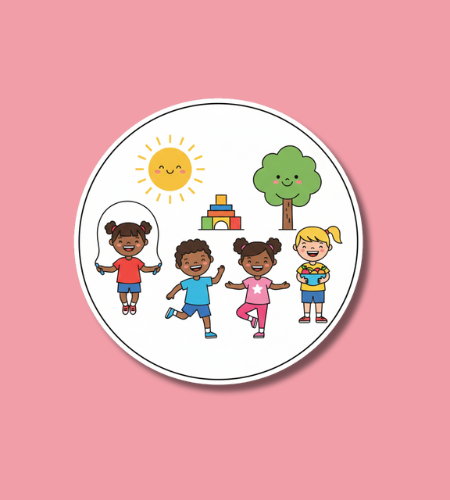
National Preschool Health and Fitness Day is observed on the last Friday of January. In 2026, it falls on January 30. This day targets children between the ages of three and five to encourage early physical activity and nutritional awareness. While many health initiatives focus on school-aged children, this observance highlights the specific developmental needs of preschoolers. It serves as a reminder for parents and childcare providers that habits formed before kindergarten often dictate long-term health outcomes.
Table of Contents
History of National Preschool Health and Fitness Day
The concept for this day emerged in 1991, founded by an organization called KID-FIT. The group recognized a growing trend in childhood obesity and sedentary lifestyles among very young children. Their mission was to move beyond traditional “play” and introduce structured, age-appropriate exercise and nutrition education. By targeting the preschool demographic, the founders aimed to reach children during a critical window of brain and body development where they are most receptive to new routines.
The movement gained momentum as pediatricians and educators began to see the impact of screen time on toddler activity levels. Over the decades, the day has evolved from a small initiative into a national event recognized by daycares and preschools across the United States. It aligns with historical educational philosophies, such as those of Friedrich Froebel, who emphasized the importance of physical movement and play in early learning. Today, the day is used to advocate for policy changes in childcare centers to ensure daily physical activity is a standard part of the curriculum.
Why is National Preschool Health and Fitness Day important?
Establishing a foundation for physical wellness during the preschool years is vital because these children are at a peak stage for developing motor skills. Regular movement helps build bone density, strengthens muscles, and improves cardiovascular health before a child even enters elementary school. Beyond physical growth, exercise is directly linked to cognitive function. Active children often show better focus, memory, and emotional regulation, which are essential skills for a successful transition into a formal school environment.
This observance also addresses the nutritional aspect of early childhood. Preschoolers are often in a phase of “picky eating,” making it a crucial time to introduce a variety of healthy foods. By focusing on nutrition alongside fitness, the day helps caregivers understand how to balance energy intake with physical output. Educating children about where their food comes from and how it helps their bodies grow empowers them to make better choices as they gain independence.
- Early movement patterns help develop essential gross motor skills and coordination.
- Active play reduces the risk of early-onset health issues like type 2 diabetes.
- Physical activity helps young children manage stress and improves their sleep quality.
- Group fitness activities teach preschoolers teamwork and basic social interaction.
- Healthy habits formed by age five are likely to persist throughout adulthood.
How to Observe National Preschool Health and Fitness Day
Observing this day involves creating opportunities for children to move their bodies in ways that feel like play rather than work. Educators can set up simple obstacle courses using pillows, tunnels, or hula hoops to challenge a child’s agility. Another effective method is hosting a “dance party” where children move to music, which improves heart health while fostering a joyful association with exercise. It is also a time to move the classroom outdoors to explore nature, as fresh air and uneven terrain provide unique physical challenges for developing legs.
Nutrition should be part of the observation through hands-on activities. Allowing children to help wash vegetables or assemble a colorful fruit salad makes healthy eating interactive. Caregivers can use “rainbow plates” to teach children about different vitamins found in various colors of produce. It is also helpful to limit screen time on this day, replacing digital entertainment with active games like tag or “follow the leader” to show children that being moving is more engaging than sitting still.
- Organize a mini-olympics with age-appropriate events like bean bag tosses.
- Teach simple animal-themed yoga poses to improve flexibility and balance.
- Lead a “color hunt” where children run to find objects that match healthy food colors.
- Prepare a snack together using whole grains and fresh fruit.
- Walk to a local park or playground to explore different climbing equipment.
National Preschool Health and Fitness Day Dates Table
| Year | Date | Day |
|---|---|---|
| 2026 | January 30 | Friday |
| 2027 | January 29 | Friday |
| 2028 | January 28 | Friday |
| 2029 | January 26 | Friday |
| 2030 | January 25 | Friday |
Subscribe to our newsletter and never miss a holiday again!