

National Primrose Day is observed annually on February 5. While the British observance of the same name occurs in April to honor Benjamin Disraeli, the American version in February celebrates the actual blooming of these hardy perennials in warmer climates and greenhouses. The day marks the transition toward spring, focusing on the vibrant colors and delicate fragrance of one of the first flowers to emerge from the winter soil.
About 👉 Primrose Day
Table of Contents
History of National Primrose Day
The history of the primrose as a celebrated flower dates back to ancient Europe, where it was often associated with youth and the arrival of the goddess of spring. The name itself comes from the Latin prima rosa, meaning the first rose of the year. In American history, the primrose gained popularity as a garden staple in the 19th and 20th centuries, prized for its ability to thrive in the damp, cool conditions often found in early February across the Pacific Northwest and the Southern United States.
While there is no single legislative act that established the February 5th date in the U.S., it has evolved through the efforts of gardening clubs and botanical societies. These organizations sought a date to highlight the Primula genus before the more dominant spring flowers like tulips and daffodils took center stage. By focusing on the beginning of February, enthusiasts emphasize the plant’s resilience and its vital role in providing early-season nectar for pollinators that may wake up during unseasonably warm winter spells.
Why is National Primrose Day important?
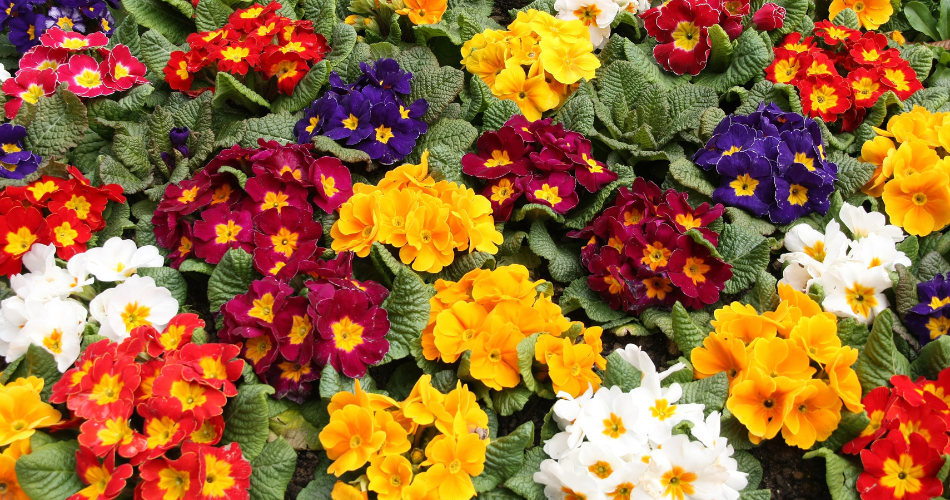
This day is significant because it encourages biodiversity in home gardening. Primroses are essential for supporting local ecosystems, as they are among the few reliable food sources for early-emerging bees and butterflies. By celebrating this flower, gardeners are reminded to plant native species that support the local food web. It also serves as a psychological boost for people living in cold climates, offering a visual reminder through indoor potted primroses that winter is beginning to wane.
The primrose also holds deep symbolic value in various cultures, often representing safety, protection, and eternal love. In many traditions, it was believed that planting primroses near a doorway would keep unwanted spirits away and invite good fortune into the home. On a practical level, the day is important for the horticultural industry, as it marks the beginning of the spring sales season for nurseries and garden centers, providing a necessary economic lift after the quiet winter months.
- The holiday honors one of the first blooming plants of the calendar year.
- It promotes the use of hardy perennials that can survive frost and snow.
- The day raises awareness for the “Evening Primrose,” often used in herbal medicine.
- It encourages the preservation of natural woodland habitats where wild primroses grow.
- Gardeners use the date to plan their spring landscapes and pollinator gardens.
How to Celebrate National Primrose Day
Celebrating National Primrose Day is best done by adding a splash of color to your immediate environment. Since February can still be quite cold, many people purchase potted primroses from local florists to keep on indoor windowsills. These plants come in almost every color of the rainbow and provide a natural fragrance that can brighten up a room. For those in milder climates, the day is an ideal time to transplant primroses into the garden, ensuring they are placed in a spot with well-drained soil and partial shade.
Another way to observe the day is through botanical art and education. Many hobbyists use the day to practice floral photography or botanical sketching, capturing the intricate details of the primrose’s crinkled leaves and yellow-centered blooms. You can also research the different varieties of the Primula family, such as the cowslip or the oxlip, to see which would grow best in your specific hardiness zone. Sharing photos of your first blooms on social media helps create a digital “spring” for those still experiencing heavy winter weather.
- Purchase a colorful potted primrose to brighten up your indoor living space.
- Start primrose seeds in trays to prepare for spring outdoor planting.
- Take a walk in a local botanical garden to see early winter blooms.
- Gift a primrose plant to a friend as a symbol of early spring hope.
- Learn about the medicinal properties of primrose oil and its historical uses.
National Primrose Day Dates Table
| Year | Date | Day |
|---|---|---|
| 2026 | February 5 | Thursday |
| 2027 | February 5 | Friday |
| 2028 | February 5 | Saturday |
| 2029 | February 5 | Monday |
| 2030 | February 5 | Tuesday |
Subscribe to our newsletter and never miss a holiday again!