
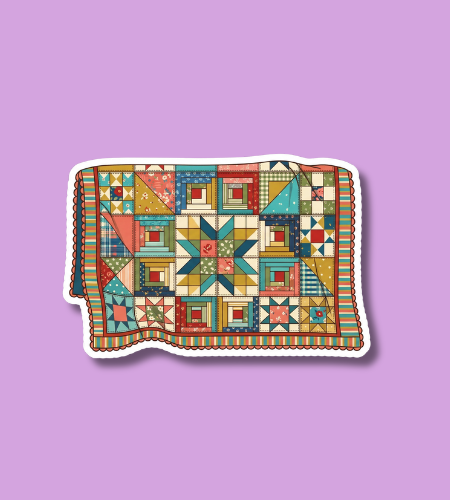
National Quilting Day is observed on the third Saturday of March. In 2026, it falls on March 21. This day celebrates the artistry, patience, and community involved in the tradition of quiltmaking. It serves as a time for quilters to share their skills, finish long-standing projects, and recognize the historical and cultural significance of this textile art form.
Read also about National Scrapbooking Day
Table of Contents
History of National Quilting Day
The roots of this observance began in 1989 when the Kentucky Heritage Quilt Society organized a “Quilters’ Day Out” to celebrate local traditions. The event was held on the third Saturday of March and quickly gained popularity among regional guilds. By 1991, the National Quilting Association (NQA) recognized the potential for a broader celebration and voted to take the concept to a national level. The first official National Quilting Day was celebrated in 1992, successfully uniting enthusiasts across the United States.
What began as a domestic initiative soon evolved into an international phenomenon. As word spread, quilters from other countries requested to participate, transforming the day into a global grassroots movement. Over the decades, the day has moved beyond simple social gatherings to include museum exhibitions, educational workshops, and charitable drives. Although the NQA dissolved in 2015, the tradition continues to be upheld by the Quilt Alliance and thousands of local guilds that see the third Saturday of March as a vital date on their creative calendars.
Why is National Quilting Day important?
This day is significant because it honors a craft that has provided both warmth and artistic expression for centuries. Quilting is more than just a hobby; it is a way to preserve family histories and cultural narratives through fabric. Many quilts serve as functional archives, using scraps of clothing or meaningful textiles to tell a story. By dedicating a day to this practice, society acknowledges the immense labor and technical skill required to design, piece, and stitch a complex quilt top.
The observance also highlights the philanthropic nature of the quilting community. Groups often use this day to organize “quilt-ins,” where members collaborate to create blankets for hospitals, shelters, and disaster relief organizations. For many individuals, quilting provides a meditative outlet for stress relief and cognitive stimulation. The day fosters a sense of belonging, connecting generations of makers through the shared language of thread and needle, ensuring that the techniques of the past are not lost to modern mass production.
- It recognizes quilting as a legitimate and sophisticated fine art.
- The day promotes the preservation of antique quilts and their histories.
- It encourages the sharing of technical skills with younger generations.
- Awareness supports local quilt shops and small fabric businesses.
- It highlights the role of quilts in providing comfort to those in need.
How to Celebrate National Quilting Day
One of the most popular ways to celebrate is by participating in a “Quilters’ Day Out” at a local shop or community center. These events often feature demonstrations, fabric swaps, and displays of finished work. Many quilters observe the day by finally completing a “UFO”—an unfinished object—that has been sitting in their sewing room for months. Hanging a quilt outside on a porch railing or a clothesline is a charming tradition that allows neighbors to enjoy the beauty of the craft from a distance.
For those looking to learn, the day is an ideal time to sign up for an introductory class or watch online tutorials on basic patchwork. Schools and libraries frequently host exhibits or “quilt block” workshops where children can try their hand at arranging colorful squares of fabric. Social media plays a large role in modern celebrations, with hashtags used to share photos of current projects and connect with a global network of makers. Whether you are hand-stitching a small wall hanging or using a high-tech longarm machine, the focus remains on the joy of creation.
- Visit a local quilt museum or a specialized textile exhibition.
- Organize a small sewing circle with friends to work on a joint project.
- Donate fabric scraps or finished quilts to a local charity or shelter.
- Teach a child or a friend how to sew a simple four-patch block.
- Document the story of a family heirloom quilt for future generations.
National Quilting Day Dates Table
| Year | Date | Day |
|---|---|---|
| 2026 | March 21 | Saturday |
| 2027 | March 20 | Saturday |
| 2028 | March 18 | Saturday |
| 2029 | March 17 | Saturday |
| 2030 | March 16 | Saturday |
Subscribe to our newsletter and never miss a holiday again!