
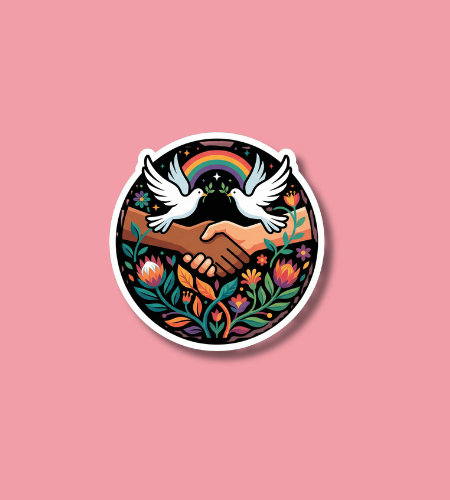
National Reconciliation Day is an annual observance held on April 2 that encourages individuals, communities, and nations to repair broken relationships and resolve long-standing conflicts. While the term “reconciliation” is often associated with large-scale political movements, this holiday emphasizes the power of personal accountability and the courage required to say “I’m sorry” or “I forgive you.” It serves as a designated time to clear the air, settle old scores, and bridge emotional divides that may have been caused by misunderstandings, pride, or neglect. By fostering a culture of healing and open dialogue, the day aims to strengthen the social fabric of society, one restored relationship at a time.
Table of Contents
History of National Reconciliation Day
The concept of a dedicated day for reconciliation has roots in various cultural and political movements globally, but the American version of National Reconciliation Day was popularized in 1989. It was established by newspaper columnist Ann Landers in response to a letter from a reader who expressed deep regret over a long-standing rift with a loved one. Landers used her massive platform to propose a day where people could set aside their egos and make a sincere effort to reconnect with those they had become estranged from. The choice of April 2 was intentional, placing the day of healing immediately after April Fools’ Day to signal a shift from trickery to sincerity.
On an international scale, the theme of reconciliation gained immense historical weight through the work of the Truth and Reconciliation Commission (TRC) in South Africa during the 1990s. Led by Archbishop Desmond Tutu and Nelson Mandela, the TRC provided a global blueprint for how societies can heal after systemic injustice through public testimony and forgiveness. While National Reconciliation Day in the U.S. remains focused primarily on interpersonal relationships, it draws inspiration from these global efforts, recognizing that the health of a nation depends on the ability of its citizens to reconcile their differences and move forward together.
Why is National Reconciliation Day important?
This day is significant because it addresses the emotional and psychological burden of unresolved conflict, which can lead to chronic stress, isolation, and a fragmented community. Many people carry “relational debt”—unspoken apologies or lingering resentments—that hinders their personal growth and happiness. By providing a formal “excuse” to reach out, the holiday lowers the social barrier to initiating difficult conversations. It reinforces the idea that reconciliation is not a sign of weakness, but an act of emotional intelligence and strength that benefits both the seeker and the granter of forgiveness.
Furthermore, the observance is vital for promoting civil discourse in an increasingly polarized world. It highlights the importance of empathy—the ability to see a conflict from another person’s perspective—as a tool for social stability. When individuals practice reconciliation in their private lives, they develop the skills necessary to navigate broader societal disagreements with grace and patience. The day serves as a reminder that while conflict is an inevitable part of the human experience, permanent estrangement does not have to be. It celebrates the “humanity” in admitting fault and the “divinity” in offering a second chance, making the world a slightly kinder place one phone call or letter at a time.
- It provides a structured opportunity to end years of silence between estranged friends or family.
- The day promotes mental well-being by releasing the burden of long-held grudges.
- It emphasizes the value of “restorative justice” over punishment in personal disputes.
- The holiday encourages the development of better communication and conflict-resolution skills.
- It serves as a reminder that it is never too late to make amends and start over.
How to Celebrate National Reconciliation Day
Celebrating involves the brave act of reaching out to someone with whom you have a strained or broken relationship. This can be as simple as sending a text message that says, “I’ve been thinking about you and I’d like to talk,” or writing a more formal letter of apology if you were the one in the wrong. The goal is not necessarily to “win” an argument or even to fully agree on the past, but to acknowledge the value of the relationship over the pride of the conflict. Many people observe the day by meeting for coffee in a neutral space, providing a safe environment to listen and be heard without the distractions of daily life.
On a broader level, you can celebrate by practicing “self-reconciliation”—forgiving yourself for past mistakes or missed opportunities to help clear your own path forward. Sharing stories of successful reconciliation on social media using the official holiday hashtags can provide hope and inspiration to others who may be hesitant to take the first step. If you aren’t currently in a conflict, you can observe the day by acting as a “bridge-builder,” helping two friends resolve a misunderstanding or simply checking in on someone you haven’t spoken to in a while to ensure your bond remains strong. The ultimate aim is to use the second day of April to replace a bridge of fire with a bridge of peace.
- Reach out to an old friend or relative you haven’t spoken to due to a past disagreement.
- Write a sincere letter of apology, focusing on your own actions rather than blaming others.
- Practice active listening during a difficult conversation, seeking to understand before being understood.
- Forgive someone who has hurt you, even if you choose not to resume a close relationship.
- Meditate on the concept of “letting go” to free yourself from the weight of past resentments.
National Reconciliation Day Dates Table
| Year | Date | Day |
|---|---|---|
| 2026 | April 2 | Thursday |
| 2027 | April 2 | Friday |
| 2028 | April 2 | Sunday |
| 2029 | April 2 | Monday |
| 2030 | April 2 | Tuesday |
Subscribe to our newsletter and never miss a holiday again!