
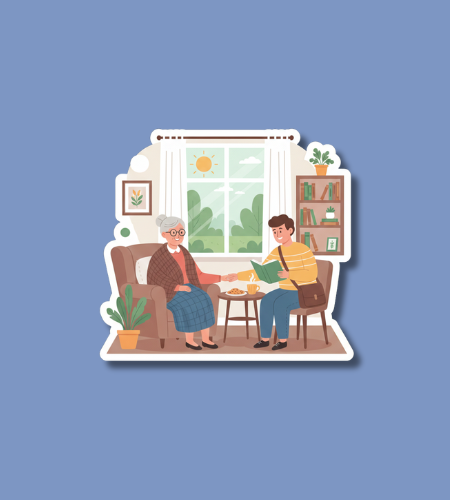
National Shut-in Visitation Day is observed annually on February 11. This day is dedicated to visiting individuals who are unable to leave their homes or care facilities due to physical, mental, or emotional challenges. It serves as a reminder to prioritize social connection for those who may otherwise be forgotten or isolated from the community.
Table of Contents
History of National Shut-in Visitation Day
The exact origin and founder of this day remain undocumented, but it has become a staple of digital and community calendars as a call for selfless service. Historically, the concept of visiting the homebound dates back centuries through religious and community traditions. During the American Civil War, organized groups and volunteers formalized the practice by visiting wounded soldiers in hospitals and convalescent homes, recognizing that companionship was as vital to recovery as medical treatment.
In the late 19th century, social work pioneers like Mary Richmond further institutionalized the idea of “friendly visiting.” This movement focused on trained volunteers visiting the sick and elderly in their homes to alleviate poverty and social isolation. Modern National Shut-in Visitation Day continues this legacy by encouraging the general public to take personal responsibility for the well-being of their neighbors. It highlights the reality that while technology allows for remote communication, face-to-face interaction remains the most effective way to combat the negative effects of long-term confinement.
Why is National Shut-in Visitation Day important?
This day is important because prolonged social isolation is linked to significant health risks, including depression, high blood pressure, and cognitive decline. For many shut-ins, the lack of regular interaction can lead to a loss of dignity and a feeling of being disconnected from the world they once inhabited. A dedicated day for visitation ensures that these individuals receive the mental stimulation and emotional support needed to maintain a positive quality of life.
Furthermore, the observance benefits the visitors by fostering empathy and a deeper understanding of the diverse challenges faced by members of the community. It bridges the intergenerational gap, as many homebound individuals are seniors with a wealth of life experience and stories to share. By making these visits, society acknowledges that every person, regardless of their physical mobility, has inherent value and deserves to remain a part of the social fabric.
- Visits help reduce the risk of mortality associated with extreme loneliness.
- The day encourages people to appreciate their own physical freedom and health.
- Interactions provide shut-ins with essential news and updates from their community.
- Regular visitors can notice health changes that might otherwise go undetected.
- Shared activities like games or reading help maintain cognitive function for the homebound.
How to Celebrate National Shut-in Visitation Day
The most effective way to celebrate is by scheduling a specific time to visit someone you know is confined to their home, such as an elderly relative or a neighbor recovering from surgery. If you do not know a shut-in personally, you can contact a local nursing home or assisted living facility to ask if there are residents who rarely receive guests. Bringing a small, practical gift like a book of crossword puzzles, a nutritious snack, or a bunch of flowers can serve as a friendly conversation starter.
During the visit, focus on active listening and allowing the person to lead the conversation. You might spend time looking through old photo albums, playing a board game, or watching a favorite movie together. If the person is physically able, a short drive through the neighborhood or a stroll in a nearby garden can provide a much-needed change of scenery. The goal is to provide a consistent presence that respects their boundaries while offering a genuine sense of companionship and care.
- Call ahead to ensure your visit is convenient and does not overlap with medical care.
- Bring a new book or magazine to read aloud if the person has vision issues.
- Offer to help with light household tasks or errands during your stay.
- Share a recent positive experience from your own life to provide outside perspective.
- Set a recurring date to return so the individual has something to look forward to.
National Shut-in Visitation Day Dates Table
| Year | Date | Day |
|---|---|---|
| 2026 | February 11 | Wednesday |
| 2027 | February 11 | Thursday |
| 2028 | February 11 | Friday |
| 2029 | February 11 | Sunday |
| 2030 | February 11 | Monday |
Subscribe to our newsletter and never miss a holiday again!