
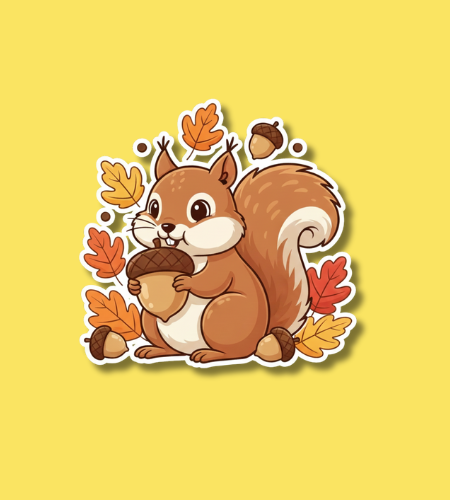
National Squirrel Appreciation Day is annually observed on January 21. This wildlife holiday encourages people to acknowledge the ecological contributions and entertaining behaviors of these ubiquitous rodents. Founded as a way to promote kindness toward animals that are often dismissed as pests, the day focuses on providing extra food sources for squirrels during the mid-winter period when natural resources are most scarce.
Table of Contents
History of National Squirrel Appreciation Day
Christy Hargrove, a wildlife rehabilitator in Asheville, North Carolina, established National Squirrel Appreciation Day in 2001. Working at the Western North Carolina Nature Center, Hargrove recognized that squirrels often struggle to find sustenance in late January when the ground is frozen and autumn caches are depleted. She created the day to shift public perception, moving away from the common view of squirrels as garden nuisances and toward an understanding of them as vital members of the local environment.
The timing of the event is deliberate, coinciding with the coldest weeks of the year in the Northern Hemisphere. Hargrove’s original message was simple: celebrate by putting out extra food and learning something new about the species. Since its inception, the holiday has grown from a local initiative in North Carolina to a widely recognized event supported by major conservation groups like the National Wildlife Federation. It has gained a significant following on social media, where fans share photos and videos of squirrel antics to celebrate the day.
Why is National Squirrel Appreciation Day important?
Squirrels play a fundamental role in forest regeneration and the health of local ecosystems. Because they are “scatter hoarders,” they bury thousands of nuts and seeds across wide areas to save for winter. They often fail to recover up to 70% of these caches, effectively planting millions of trees that might not otherwise sprout. This accidental gardening is essential for the survival of oak, hickory, and walnut forests. Without the obsessive burying habits of squirrels, many heavy-seeded trees would have no way to disperse their offspring far from the parent plant.
Beyond their environmental impact, squirrels are important for their role in the food chain and for providing human-wildlife connection in urban areas. They serve as a primary food source for predators such as hawks, owls, and foxes, maintaining the balance of local wildlife populations. For many city dwellers, squirrels are the only wild mammals they see on a daily basis. Watching their acrobatic movements and complex social interactions provides a free and accessible form of nature-based entertainment, which helps foster an early interest in conservation among children.
- Squirrels can reach speeds of 20 miles per hour when running.
- Their front teeth never stop growing to account for constant gnawing.
- Most squirrels use their bushy tails as umbrellas or blankets in bad weather.
- They help plant millions of new trees by forgetting where they hid their nuts.
- A group of squirrels is officially known as a scurry.
How to Celebrate National Squirrel Appreciation Day
The most direct way to observe this day is by supplementing the local squirrel population’s diet with nutritious treats. While many people use corn or peanuts, wildlife experts suggest offering healthier alternatives such as walnuts, pecans, hazelnuts, or slices of apple. Placing these items in a dedicated squirrel feeder can help draw the animals away from bird feeders, reducing conflict between different backyard species. It is also helpful to provide a source of fresh, unfrozen water, which is often difficult for squirrels to find when temperatures drop below freezing.
For a more active celebration, many enthusiasts build squirrel obstacle courses to challenge the animals’ renowned intelligence and agility. Watching squirrels navigate ropes, platforms, and puzzles provides insight into their problem-solving abilities. Photography is another popular activity, as the bare trees of January make it easier to spot and snap pictures of squirrels in their nests, known as dreys. Families can also visit local parks or nature centers to observe different species and learn about the specific challenges facing local wildlife during the winter months.
- Put out high-fat nuts like walnuts to help them maintain body heat.
- Create a simple drey-style nesting box and mount it high in a tree.
- Use a camera to document and identify the different squirrel species in your area.
- Check that your local water sources are not frozen over for thirsty animals.
- Share a photo of a backyard visitor online to promote positive wildlife attitudes.
National Squirrel Appreciation Day Dates Table
| Year | Date | Day |
|---|---|---|
| 2026 | January 21 | Wednesday |
| 2027 | January 21 | Thursday |
| 2028 | January 21 | Friday |
| 2029 | January 21 | Sunday |
| 2030 | January 21 | Monday |
Subscribe to our newsletter and never miss a holiday again!