



National Stop Nausea Day
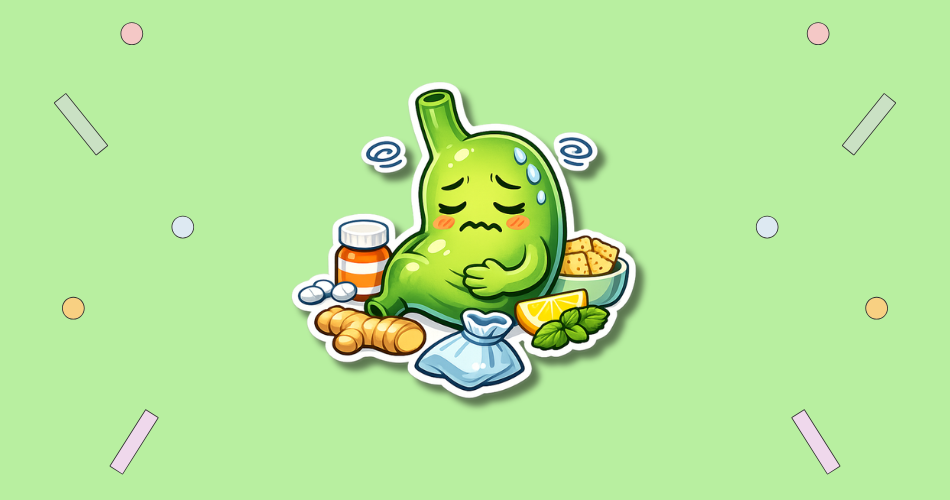
National Stop Nausea Day is observed on the third Tuesday of May. In 2027, this date falls on May 18. This health awareness observance focuses on nausea as a real and often disruptive symptom, not just a passing inconvenience. It gives attention to people who deal with nausea because of motion sickness, pregnancy, medical treatment, surgery recovery, migraine, digestive issues, or other causes. The day is best approached with a practical and compassionate tone: learning what can trigger nausea, taking symptoms seriously, and supporting people who may be managing it quietly. 1
Contents
See also: World Digestive Health Day, World IBD Day, Hyperemesis Gravidarum Awareness Day
HT Meter
Does this day matter to you?
Say that it does, and say whether you will be marking it. Both are anonymous to nobody but kind to everybody.
This day matters to me
0 Be the first to say so
Quietly remembered
0 Nobody has said so yet
Notes of remembrance
Join those marking this day to share a word, a memory, or the reason it matters to you.
These notes are kept for the people marking this day. Say you will be marking it to read them and to leave your own.
You have already shared a note here recently.
No notes yet. Yours would be the first.
History of National Stop Nausea Day
National Stop Nausea Day was created in 2018 by Reliefband Technologies LLC, with the first observance tied to May 15, 2018. The day was introduced to raise awareness of nausea, give a public voice to people who experience it, and encourage discussion about ways to manage it. Its annual timing follows the third Tuesday in May. The original announcement connected the observance with several common causes of nausea, including motion sickness, pregnancy, chemotherapy treatment, post-operative recovery, and virtual reality gaming.

Hyperemesis Gravidarum Awareness Day
Nausea itself has a much wider background than the modern observance. It is a symptom that can come from many parts of daily life and health care, from travel and strong smells to medication side effects and medical procedures. For some people, nausea is brief and tied to a clear trigger; for others, it can affect eating, hydration, sleep, concentration, and willingness to travel or attend events. Today, National Stop Nausea Day is mainly understood as an awareness day that encourages people to treat nausea as something worth discussing, managing, and taking seriously.
Why is National Stop Nausea Day important?
National Stop Nausea Day matters because nausea is easy to minimize from the outside. A person may look fine but still be dealing with a strong physical sensation that makes work, school, travel, meals, or social plans difficult. The day helps make room for honest conversations about symptoms that are sometimes hidden out of embarrassment. It also reminds people that frequent or severe nausea should not always be brushed off as ordinary discomfort.
The observance also has value because nausea can be connected with many different situations. Someone recovering from surgery, undergoing cancer treatment, experiencing pregnancy-related nausea, managing migraine, or dealing with motion sickness may need different kinds of support. Awareness can help families, friends, coworkers, and caregivers respond with patience instead of jokes or dismissal. It can also encourage people to notice patterns, ask better questions, and seek medical advice when nausea is persistent, severe, or unusual.
- It helps people speak more openly about nausea.
- It recognizes symptoms that are often hidden.
- It supports people dealing with treatment-related nausea.
- It encourages practical planning for travel and daily routines.
- It reminds people to seek help when symptoms feel concerning.
How to Observe National Stop Nausea Day
Make it yours
How would you like to spend National Stop Nausea Day?
Tick what fits you, and we will put together ideas made for this day — not for any day.
International Nystagmus Awareness Day
Learn the common triggers that affect everyday nausea, especially if travel, certain foods, medication changes, pregnancy, migraine, or medical treatment are part of someone’s life. A simple symptom note can help identify timing, meals, movement, stress, or other patterns that make nausea worse. People who experience recurring nausea can use the day to review their options with a health professional, especially when symptoms interfere with hydration, nutrition, or daily activities. Families and friends can also help by listening without minimizing what the person is describing.
Support can be practical as well as emotional. Offer a quiet ride, avoid strong food smells around someone who is queasy, or check whether a person needs water, crackers, fresh air, or a pause from activity. Workplaces and schools can be more understanding when someone is recovering from treatment, dealing with pregnancy-related nausea, or managing a chronic condition. The day is also a useful time to share reliable health information and remind people that nausea has many possible causes.
- Ask someone what helps when nausea hits.
- Keep water and bland snacks available.
- Avoid teasing people about motion sickness.
- Track recurring nausea and possible triggers.
- Contact a clinician for severe or lasting symptoms.
National Stop Nausea Day Dates
| Year | Date | Day of the week |
|---|---|---|
| 2026 | May 19 | Tuesday |
| 2027 next | May 18 | Tuesday |
| 2028 | May 16 | Tuesday |
| 2029 | May 15 | Tuesday |
| 2030 | May 21 | Tuesday |