
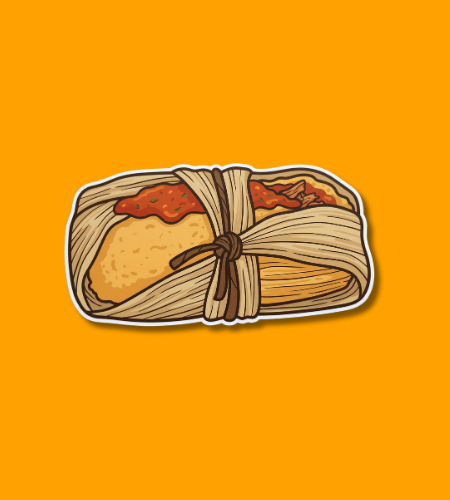
National Tamale Day is celebrated annually on March 23. This day honors the ancient Mesoamerican dish made of masa, a starchy corn-based dough, which is filled with various ingredients and steamed in a protective wrapper. While often associated with the winter holidays, this dedicated spring date ensures the tamale is recognized as a year-round staple of Mexican and Central American cuisine. The observance highlights the labor-intensive process of creating these “portable parcels” and encourages people to explore the wide variety of savory and sweet fillings available.
Read also about National Taco Day and National Tortilla Chip Day
Table of Contents
History of National Tamale Day
The history of the tamale stretches back to approximately 8,000 to 5,000 BCE, making it one of the oldest prepared foods in the Americas. Indigenous civilizations, including the Aztecs, Mayans, and Olmecs, developed the tamale as a versatile and portable food for hunters, travelers, and soldiers. In ancient rituals, tamales were often considered sacred and were offered to the gods during religious festivals. The original versions were often cooked by burying them in hot ashes or steaming them in underground pits, long before modern stovetop methods were established.
National Tamale Day is a much more recent addition to the calendar, founded in 2015 by Richard Lambert, a restaurateur from Santa Barbara, California. Lambert noticed that while hundreds of other foods had dedicated national days, the tamale had been overlooked. He submitted a formal application to Chase’s Calendar of Events, supported by hundreds of signatures from local fans. He chose March 23 specifically because the calendar was relatively open at that time, providing a clear window to celebrate the dish outside of its traditional Christmas peak.
Why is National Tamale Day important?
National Tamale Day is important because it preserves and promotes a culinary tradition that has survived for over nine millennia. The process of making tamales, known as a “tamalada,” is a significant cultural event that often brings multiple generations of a family together to spread masa and fold husks. This day serves as a reminder of the craftsmanship required to balance the moisture of the corn dough with the richness of the fillings. It honors the cultural identity of Latin American communities and ensures these traditional techniques are passed down to younger generations.
The holiday also highlights the nutritional and functional evolution of the tamale. Historically, they provided a high-energy meal for warriors; today, they represent a diverse category of food that can accommodate modern dietary needs. From vegan versions filled with black beans and squash to gourmet breakfast tamales served with eggs, the dish remains a relevant part of the modern diet. By celebrating on March 23, the public is encouraged to support local tamaleros and small businesses that maintain the authenticity of this ancient comfort food.
- Making tamales is a communal activity that strengthens family and social bonds.
- The dish represents a direct link to the agricultural history of ancient Mesoamerica.
- Tamales are naturally gluten-free when prepared with traditional corn-based masa.
- The protective wrapper allows the food to stay warm and portable for long periods.
- Celebrating helps sustain traditional cooking methods in a world of fast-food convenience.
How to Celebrate National Tamale Day
Celebrating this day is best done by participating in or hosting a tamalada. Because preparing the masa, simmering the fillings, and wrapping the husks is time-consuming, it is practical to work in a group. You can observe the day by visiting a local Mexican market to purchase fresh masa and corn husks, then gathering friends to assemble several dozen tamales at once. This allows everyone to take home a supply of food that can be easily frozen and reheated later, mirroring the ancient practice of preparing large batches for travel.
If you are not cooking at home, you can celebrate by visiting authentic restaurants or street vendors to try regional variations. Different areas use different wrappers; while corn husks are common in the Mexican highlands, banana leaves are often used in coastal regions and Central America, resulting in a silkier texture. Ordering a “breakfast tamale” or a sweet version filled with pineapple or raisins is a great way to expand your palate. Sharing your meal on social media helps draw attention to the skill of the chefs who keep this tradition alive.
- Visit a local tamaleria to try a filling or style you have never had before.
- Host a small gathering to learn the art of spreading masa and folding husks.
- Purchase a dozen tamales from a small business to support local culinary heritage.
- Experiment with non-traditional fillings like buffalo chicken or roasted vegetables.
- Learn about the difference between corn husk and banana leaf steaming methods.
National Tamale Day Dates Table
| Year | Date | Day |
|---|---|---|
| 2026 | March 23 | Monday |
| 2027 | March 23 | Tuesday |
| 2028 | March 23 | Thursday |
| 2029 | March 23 | Friday |
| 2030 | March 23 | Saturday |
Subscribe to our newsletter and never miss a holiday again!