
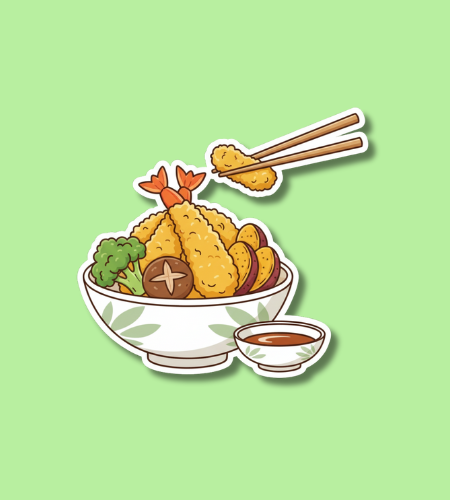
National Tempura Day is an annual food holiday dedicated to the light and crispy Japanese deep-frying technique observed on January 7. This celebration highlights the unique culinary history and preparation methods that distinguish tempura from other fried foods, emphasizing the use of cold water and minimal mixing to achieve its signature airy texture.
Table of Contents
History of National Tempura Day
The origins of tempura are traced back to the 16th century when Portuguese Catholic missionaries and traders arrived in Nagasaki, Japan. These Europeans introduced a dish called “peixinhos da horta,” which consisted of green beans dipped in batter and deep-fried. The name “tempura” itself is believed to stem from the Latin word tempora, referring to Ember Days when the Catholic Church required abstinence from meat. During these fasting periods, missionaries consumed battered vegetables and seafood instead of poultry or beef.
Japanese chefs refined the Portuguese technique during the Edo period between the 17th and 19th centuries. Originally sold as a quick snack from outdoor food stalls known as yatai, tempura became popular because the high-heat frying process was safer for the wooden city structures than other indoor cooking methods. Over time, chefs moved away from the thick, dough-like Portuguese batter in favor of a thinner mixture made with wheat flour, eggs, and iced water. This evolution allowed the natural flavors of fresh seafood from Tokyo Bay to remain the focal point of the dish.
Why is National Tempura Day important?
This day recognizes the technical precision required to master one of Japan’s most famous culinary exports. Unlike many Western fried foods that rely on heavy breading or thick batters, tempura demands a specific scientific approach to prevent the development of gluten. By using ice-cold water and avoiding over-mixing, the batter remains thin and crisp rather than chewy. This technique showcases how simple ingredients like flour and water can be transformed into a sophisticated texture through careful temperature control.
The holiday also serves as a celebration of cultural fusion and the global spread of Japanese cuisine. While it began as a foreign introduction, tempura has become a fundamental part of Japanese identity, appearing in everything from high-end Michelin-starred restaurants to casual bento boxes. It provides a platform for people to explore the versatility of the cooking style, which has expanded to include a wide variety of ingredients such as root vegetables, mushrooms, and even sweets like ice cream.
- It honors the historical link between 16th-century Portuguese explorers and Japanese culture.
- The day highlights the importance of using fresh, seasonal seafood and vegetables.
- It educates home cooks on the chemistry of gluten-free batter development.
- The holiday promotes the diverse range of Japanese culinary traditions beyond sushi.
- It encourages the appreciation of food as an art form involving texture and temperature.
How to Celebrate National Tempura Day
The most direct way to observe this holiday is by visiting a local Japanese restaurant to enjoy a traditional tempura platter. Standard selections often include shrimp, sweet potato, eggplant, and lotus root served with a dipping sauce called tentsuyu. This sauce is typically a blend of dashi, soy sauce, and mirin, often accompanied by a small pile of grated daikon radish and ginger to balance the richness of the fried oil. Observing the chef work at a tempura bar allows diners to see the immediate transition from batter to plate, which ensures the highest level of crispness.
Preparing tempura at home is another popular way to mark the occasion. To achieve professional results, it is essential to keep all ingredients, including the flour and water, as cold as possible. Some enthusiasts use carbonated water or a small amount of alcohol to further inhibit gluten formation and create a lighter crust. Beyond the traditional ingredients, people often experiment with regional produce like asparagus, zucchini, or kale. Sharing a variety of these hot, crispy items with friends or family turns the meal into an interactive social event.
- Order a classic shrimp and vegetable tempura set at an authentic Japanese eatery.
- Make your own batter at home using iced sparkling water for extra airiness.
- Try non-traditional ingredients like broccoli, bell peppers, or even apple slices.
- Prepare a fresh batch of tentsuyu sauce with grated daikon for dipping.
- Use a thermometer to ensure your frying oil stays consistently at 340 to 360 degrees Fahrenheit.
National Tempura Day Dates Table
| Year | Date | Day |
|---|---|---|
| 2026 | January 7 | Wednesday |
| 2027 | January 7 | Thursday |
| 2028 | January 7 | Friday |
| 2029 | January 7 | Sunday |
| 2030 | January 7 | Monday |
Subscribe to our newsletter and never miss a holiday again!