
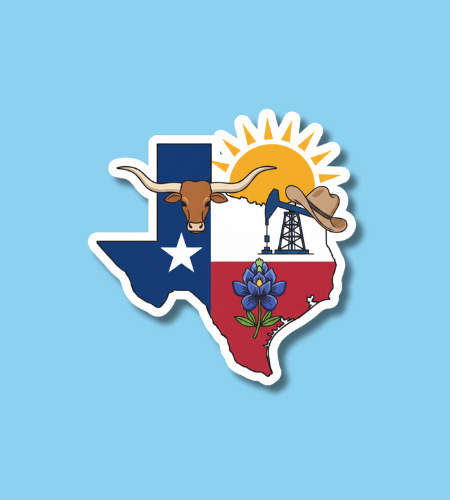
National Texas Day is observed on February 1. This day celebrates the diverse culture, vast landscape, and independent spirit of the nation’s second-largest state. While Texas officially joined the Union as the 28th state on December 29, 1845, this February observance provides a dedicated moment to recognize the Lone Star State’s unique identity and its contributions to American history, technology, and industry. It serves as a point of pride for residents and a reminder of the state’s historical journey from a Spanish territory to an independent republic and finally a U.S. state.
Table of Contents
History of National Texas Day
The day was established in 2017 by the National Day Calendar to honor the specific heritage of Texas. The timing is notable as it leads into a series of significant historical anniversaries for the state, including the beginning of the Texas Revolution’s pivotal conventions in early February 1836. By designating February 1 as National Texas Day, advocates created a modern platform to share the “larger than life” stories that define the region, ranging from the legends of the Texas Rangers to the state’s role in the pioneering days of the American space program.
Texas has a complex history of governance, having been under the flags of six different nations: Spain, France, Mexico, the Republic of Texas, the Confederate States, and the United States. This multi-layered past has resulted in a distinct cultural blend seen in the state’s architecture, music, and language. The state’s name itself comes from the Caddo word “taysha,” which means “friends” or “allies.” National Texas Day honors this long-standing tradition of hospitality while acknowledging the fierce determination of the people who shaped the state’s borders and its economic influence.
Why is National Texas Day important?
National Texas Day is important because it highlights the massive economic and agricultural impact the state has on the rest of the country. Texas leads the United States in the production of cattle, cotton, and hay, playing a vital role in the national food and fiber supply. The day serves as a tribute to the farmers and ranchers who manage the state’s 248,000 farms, more than any other state in the nation. By focusing on these contributions, the observance helps the public understand the vital connection between Texan industry and American daily life.
The day also celebrates Texan innovation in science and medicine. From the first word spoken on the moon—”Houston”—to the development of the first artificial heart and the integrated circuit, Texas has been a hub for technological breakthroughs. Recognizing these achievements fosters a sense of inspiration and educational interest in the state’s academic institutions. Furthermore, the day promotes the state’s rich artistic legacy, including its status as a global center for live music and its unique culinary inventions like Tex-Mex and Dr Pepper.
- It recognizes Texas as the 28th state to join the United States.
- The day honors the state’s leadership in energy, aerospace, and agriculture.
- It promotes the preservation of historical landmarks like the Alamo and San Jacinto.
- Awareness encourages tourism to the state’s varied deserts, pine forests, and coastlines.
- It celebrates the “friendship” motto that defines the state’s social interactions.
How to Celebrate National Texas Day
To celebrate this day, you can explore the state’s culinary heritage by preparing traditional Texan dishes at home. A classic bowl of “Texas Red” chili—notably made without beans—or a slow-smoked beef brisket are staple foods that represent the state’s flavors. If you prefer a sweet treat, you can serve a scoop of Texas-made Blue Bell ice cream or a cold bottle of Dr Pepper, which was invented in Waco in 1885. Sharing these flavors with friends is a simple way to experience the state’s culture regardless of where you are located.
You can also observe the day by learning about the diverse people who have influenced Texan history. Researching the lives of figures like Sam Houston, Stephen F. Austin, or pioneers like Scott Joplin and Sandra Day O’Connor provides a more complete picture of the state’s social fabric. If you live in Texas, visiting a state park or one of the many historical museums in Austin, San Antonio, or Houston is an ideal way to spend the day. Wearing the state’s colors or displaying the Lone Star flag also demonstrates your appreciation for the unique spirit that defines Texas.
- Cook a pot of authentic Texas chili following a traditional meat-only recipe.
- Visit a local history museum to learn about the six flags of Texas.
- Listen to music from famous Texan artists in genres like country, jazz, or rock.
- Read a biography of a significant Texan leader or scientific innovator.
- Plan a trip to explore the natural beauty of Big Bend or the Gulf Coast.
National Texas Day Dates Table
| Year | Date | Day |
|---|---|---|
| 2026 | February 1 | Sunday |
| 2027 | February 1 | Monday |
| 2028 | February 1 | Tuesday |
| 2029 | February 1 | Thursday |
| 2030 | February 1 | Friday |
Subscribe to our newsletter and never miss a holiday again!