
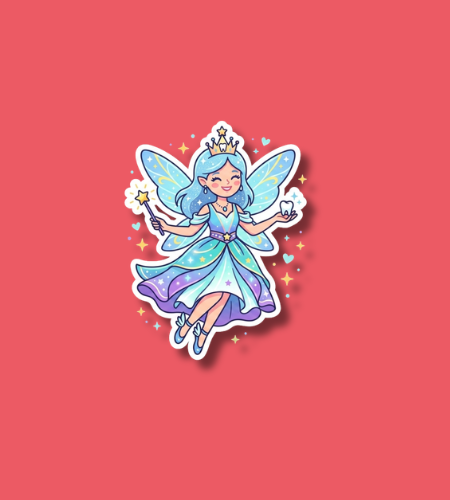
National Tooth Fairy Day is observed annually on February 28. This holiday celebrates the whimsical folklore figure who visits children after they lose a baby tooth, replacing the tooth with a small gift or money. It serves as a lighthearted way for parents and dental professionals to encourage healthy oral hygiene habits in children while maintaining a sense of childhood wonder.
Read also about another National Tooth Fairy Day
Table of Contents
History of National Tooth Fairy Day
The legend of the Tooth Fairy is a relatively modern American creation, appearing in its current form in the early 20th century. While various cultures throughout history had different rituals for disposing of baby teeth—such as burying them to prevent bad luck or throwing them toward the sun—the specific idea of a fairy trading money for a tooth was first documented in a 1927 play for children by Esther Watkins Arnold. This coincided with a broader cultural interest in “good fairies” and household sprites during that era.
The holiday is unique because it is often observed twice a year, on both February 28 and August 22. While the exact reason for the dual dates is not officially recorded, many dental organizations suggest the six-month interval mirrors the recommended frequency for professional dental cleanings. Over the decades, the Tooth Fairy has evolved from a generic winged figure into a pop-culture icon, appearing in books, movies, and even having her own “going rate” for teeth tracked by national financial surveys.
Why is National Tooth Fairy Day important?
This day is important because it provides a positive psychological anchor for a milestone that can sometimes be frightening or uncomfortable for children. Losing a tooth marks a significant physical transition into “big kid” status, and the anticipation of a visit from the Tooth Fairy helps frame this change as a rewarding experience. It turns a potential source of anxiety into a moment of celebration, strengthening the bond between parents and children through shared imagination.
From a health perspective, the holiday acts as a powerful educational tool. Pediatric dentists use the legend to motivate children to brush and floss regularly, often telling them that the Tooth Fairy prefers “clean, shiny teeth.” This makes dental care feel less like a chore and more like a preparation for a special guest. The day also prompts parents to review their children’s dental milestones and schedule necessary check-ups to ensure that permanent teeth are emerging correctly and healthily.
- It helps children overcome the fear and discomfort associated with losing baby teeth.
- The day serves as a reminder to schedule bi-annual dental check-ups for the family.
- It encourages a routine of brushing and flossing to keep teeth “fairy-ready.”
- The holiday celebrates a unique piece of American folklore that unites generations.
- It allows families to create their own personalized traditions and memories.
How to Celebrate National Tooth Fairy Day
One way to celebrate is by reading books about the Tooth Fairy to children to build excitement for future dental milestones. Parents often use the day to create or decorate a “tooth pillow” or a special box where teeth can be safely stored under a pillow. This is also an excellent time to upgrade a child’s dental kit with a new themed toothbrush, flavored floss, or a fun two-minute timer to ensure they are brushing for the correct amount of time.
For those without young children, the day can be observed by focusing on personal oral health. You can celebrate by replacing an old toothbrush, trying a new eco-friendly dental product, or finally booking that long-overdue cleaning. Sharing dental health tips or fun facts about the “history of the tooth” on social media is another way to participate. Some people also use the day to donate to charities that provide dental care to underserved communities, ensuring that everyone has a reason to smile.
- Help a child decorate a small box or envelope to hold their lost teeth.
- Purchase a new toothbrush and a tube of fluoride toothpaste for everyone in the house.
- Read a storybook together that explains the Tooth Fairy legend in a fun way.
- Take a “toothie” selfie showing off a healthy smile to share on social media.
- Check your calendar and ensure your next professional dental cleaning is scheduled.
National Tooth Fairy Day Dates Table
| Year | Date | Day |
|---|---|---|
| 2026 | February 28 | Saturday |
| 2027 | February 28 | Sunday |
| 2028 | February 28 | Monday |
| 2029 | February 28 | Wednesday |
| 2030 | February 28 | Thursday |
Subscribe to our newsletter and never miss a holiday again!