
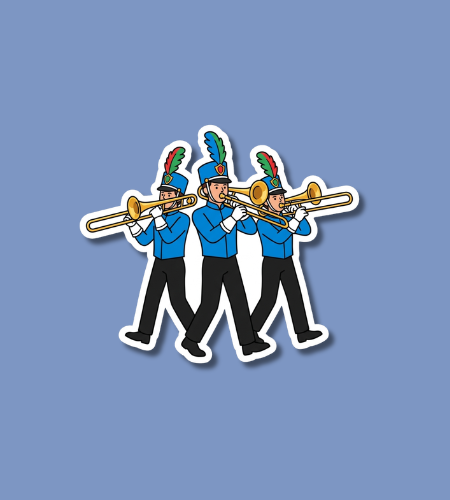
National Trombone Players Day is a vibrant musical observance celebrated annually on April 1 to recognize the unique contributions of trombonists and the versatile sound of their instrument. This day highlights the musicians who sit in the back of the orchestra or big band but provide the powerful, resonant foundation for countless genres of music. Because it coincides with April Fools’ Day, the holiday often adopts a playful spirit, yet its primary goal remains the serious promotion of brass education and performance. It serves as a lead-in to International Trombone Week, encouraging a month-long appreciation for the instrument often referred to as the “Voice of God” due to its range being remarkably close to the human voice. From jazz and salsa to classical symphonies and marching bands, the day puts the spotlight on the slide-driven artistry that defines the trombone’s place in the world of sound.
Read also about International Musician Day
Table of Contents
History of National Trombone Players Day
The specific origins of National Trombone Players Day date back to 2010, when it was established to encourage more people to pick up the instrument and to celebrate the global trombone community. The choice of April 1 was intended to give the trombone a dedicated moment to “step out from the back row” and be noticed by the public. While the modern holiday is relatively new, it draws on the deep heritage of organizations like the International Trombone Association (ITA), which has been promoting trombone scholarship and performance since the early 1970s. The holiday acts as a modern bridge, connecting historical traditions with contemporary musical outreach.
The instrument itself has a storied history reaching back to the mid-15th century, where it evolved from the trumpet as the “sackbut.” Unlike other brass instruments that later adopted valves, the trombone maintained its unique telescoping slide, allowing for a seamless glissando that no other wind instrument can perfectly replicate. Throughout the Renaissance and Baroque periods, it was primarily used in religious settings to double vocal parts. By the 19th century, composers like Beethoven helped bring the trombone into the mainstream symphony, and the 20th century saw it become a cornerstone of American jazz. National Trombone Players Day celebrates this entire evolution, from ancient chapel music to modern-day stage performances.
Why is National Trombone Players Day important?
This day is significant because it provides much-needed visibility to an instrument that is often overshadowed by the trumpet or saxophone in popular media. It celebrates the technical physical athletic skills required to operate the slide while maintaining precise pitch, a challenge unique to the trombone. By highlighting famous players like Glenn Miller, Tommy Dorsey, and J.J. Johnson, the day preserves the legacy of those who redefined what the instrument could achieve. It also addresses the practical needs of music education, often serving as a catalyst for instrument drives and funding for school band programs that might lack a full brass section.
On a cultural level, the holiday promotes the diversity of the trombone’s application across vastly different musical traditions. It is one of the few instruments that feels equally at home in a New Orleans second-line parade as it does in a solemn orchestral requiem. This versatility helps break down barriers between musical genres, encouraging listeners to explore everything from ska and salsa to avant-garde classical works. For current players, the day fosters a sense of international camaraderie, reminding them that they are part of a specialized “fraternity” of musicians who share a unique set of challenges and joys.
- It encourages students to choose the trombone when joining school music programs.
- The day promotes the health benefits of proper brass-playing breathing techniques.
- It raises awareness of the trombone’s vital role in jazz and big band history.
- The observance helps support local brass ensembles through increased concert attendance.
- It highlights the engineering and craftsmanship behind high-quality brass instruments.
How to Celebrate National Trombone Players Day
Celebrating involves immersing yourself in the rich sounds of the trombone, whether by listening to a classic jazz record or attending a live performance. Many enthusiasts celebrate by sharing their favorite “trombone solo” clips on social media to introduce their friends to the instrument’s expressive capabilities. For those who play, it is a day to practice with extra focus or to participate in a “trombone choir” event where groups of players perform together. Many music schools and universities host masterclasses or “Trombone Days” on or around this date, inviting guest artists to work with students and perform for the public.
If you have never played, the day is the perfect opportunity to sign up for an introductory lesson or to visit a local music store to try out a slide for the first time. Supporting youth orchestras and community bands through donations or volunteer work is another meaningful way to observe the holiday. Some fans enjoy the day by watching documentaries on the history of the instrument or reading biographies of legendary trombonists. Whether you are a professional virtuoso or a casual listener, the goal is to acknowledge the bold and brassy personality that the trombone brings to the world’s musical landscape.
- Listen to a recording by a legendary trombonist like Tommy Dorsey or Urbie Green.
- Attend a local concert featuring a brass section or a dedicated trombone soloist.
- Share a video of a famous “trombone glissando” on your social media pages.
- Clean and maintain your instrument to ensure it stays in top performing condition.
- Encourage a young musician by attending their school band or orchestra concert.
National Trombone Players Day Dates Table
| Year | Date | Day |
|---|---|---|
| 2026 | April 1 | Wednesday |
| 2027 | April 1 | Thursday |
| 2028 | April 1 | Saturday |
| 2029 | April 1 | Sunday |
| 2030 | April 1 | Monday |
Subscribe to our newsletter and never miss a holiday again!