
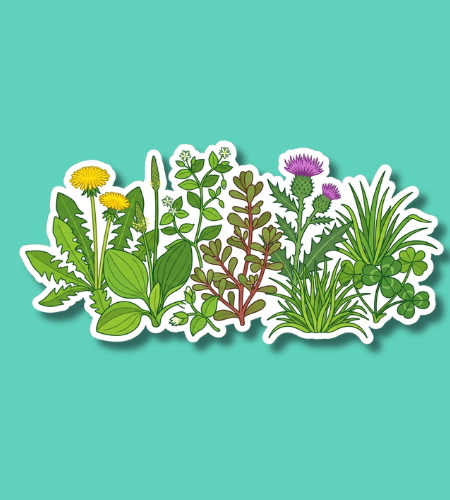
National Weed Appreciation Day is observed every year on March 28. This holiday encourages a shift in perspective regarding the plants typically dismissed as garden nuisances. While the word “weed” often carries a negative connotation in landscaping, this day highlights the ecological, medicinal, and nutritional value of these hardy species. Many common weeds, such as dandelions and clover, provide essential early-season nectar for pollinators like bees and butterflies. March 28 serves as an ideal time to identify the wild greenery emerging in yards and local parks before the primary gardening season begins.
Read also about Weedless Wednesday
Table of Contents
History of National Weed Appreciation Day
The specific origins of this holiday are not formally documented in government records, but it emerged within the gardening and environmental communities around 2015. It was created to challenge the traditional definition of a weed, which is simply any plant growing where it is not wanted. By assigning a specific day to “appreciate” these plants, founders aimed to reduce the heavy reliance on chemical herbicides and promote a more natural approach to land management.
Historically, many plants now labeled as weeds were once intentionally cultivated by early settlers for their survival. Dandelions, for instance, were brought to North America by European colonists specifically for their high vitamin content and medicinal properties. Over time, as aesthetic standards for manicured lawns evolved, these versatile plants lost their status as crops and were rebranded as invaders. National Weed Appreciation Day seeks to restore the knowledge of these historical uses and acknowledge the resilience of plants that thrive without human assistance.
Why is National Weed Appreciation Day important?
This day is significant because it brings attention to the critical role that “volunteer” plants play in a healthy ecosystem. Weeds often act as pioneer species, stabilizing soil in disturbed areas and preventing erosion with their deep root systems. Some varieties, like clover, are nitrogen-fixers that naturally pull nutrients from the air and deposit them into the earth, effectively fertilizing the ground for surrounding vegetation. Without these resilient plants, many urban and rural landscapes would suffer from poor soil quality and lack of biodiversity.
The holiday also promotes the concept of urban foraging and self-sufficiency. Many common yard plants are actually nutritional powerhouses; for example, purslane contains high levels of omega-3 fatty acids, and lamb’s quarters are rich in iron and protein. By educating the public on how to identify and use these plants safely, the day encourages a more sustainable relationship with the immediate environment. It reminds people that nature provides free resources in the form of “wild” vegetables that are often hardier and more nutrient-dense than store-bought produce.
- Dandelions provide one of the first food sources for honeybees in early spring.
- Many weeds act as “indicator plants” that signal specific soil deficiencies or pH levels.
- Edible wild greens offer a free source of vitamins A, C, and K for foragers.
- The holiday discourages the use of toxic sprays that can harm local water supplies.
- Recognizing the value of weeds helps reduce the environmental impact of lawn maintenance.
How to Celebrate National Weed Appreciation Day
Celebrating this holiday involves stepping away from the lawnmower and spending time observing the plants in your immediate surroundings. Use a botanical identification app or a field guide to learn the names and properties of the greenery growing in your garden cracks or lawn. Instead of pulling everything up, consider leaving a small “wild corner” in your yard to support local insects and birds. This simple act of restraint can significantly increase the biodiversity of your neighborhood.
Another practical way to celebrate is through culinary experimentation with confirmed edible species. If you are certain of your identification and know the area hasn’t been treated with chemicals, you can harvest young dandelion leaves for a salad or roast chicory roots for a caffeine-free coffee substitute. For those with children, the day is an excellent opportunity for “weed art,” such as pressing leaves or making traditional dandelion crowns. These activities foster a sense of curiosity about the natural world and teach the next generation that beauty and utility are often found in the most unexpected places.
- Identify three common weeds in your backyard and research their medicinal history.
- Leave a patch of clover or dandelions unmowed to feed local pollinators.
- Try a recipe that incorporates safe, edible weeds like chickweed or purslane.
- Take photos of “wild” flowers and share their benefits on social media.
- Use a garden hoe to manually manage unwanted plants instead of using chemicals.
National Weed Appreciation Day Dates Table
| Year | Date | Day |
|---|---|---|
| 2026 | March 28 | Saturday |
| 2027 | March 28 | Sunday |
| 2028 | March 28 | Tuesday |
| 2029 | March 28 | Wednesday |
| 2030 | March 28 | Thursday |
Subscribe to our newsletter and never miss a holiday again!