
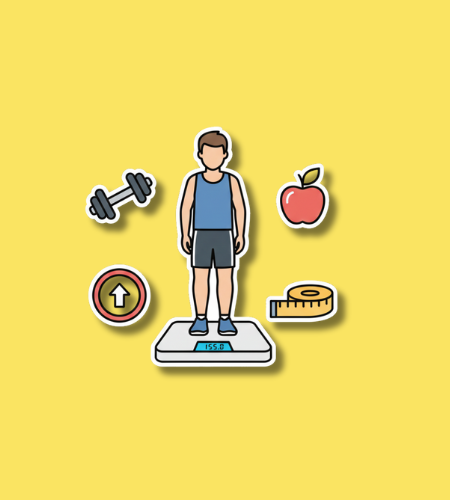
National Weigh-In Day is observed on the first Monday of January. This day serves as a formal starting point for many individuals to assess their physical health and establish weight-related goals for the new year.
Table of Contents
History of National Weigh-In Day
The breakfast cereal brand Special K, owned by Kellogg’s, created this day as part of a marketing and health initiative. The goal was to shift the conversation around weight loss from a purely numerical focus to one that emphasizes emotional and physical gains. It was timed to coincide with the first Monday of the year, when most people return to work and structured routines after the winter holidays.
The observance quickly gained traction as a standard component of New Year’s resolutions. By designating a specific day for the initial scale check, organizers sought to provide a sense of community and shared accountability for those embarking on health journeys. Over the decades, it has evolved into a broader reminder for people to check in with their bodies and reset their nutritional and activity habits after a season of indulgence.
Why is National Weigh-In Day important?
Regular monitoring of body weight provides a data point that helps individuals understand the impact of their dietary and exercise choices. This day specifically helps break the cycle of post-holiday avoidance, where people may ignore their physical changes due to stress or guilt. By facing the scale on a designated day, many find it easier to transition back into a controlled routine and identify a baseline for their upcoming fitness projects.
The act of weighing in also serves as a psychological reset button for the mind. It marks the end of the holiday feasting period and the beginning of a more disciplined phase of the year. Consistent self-monitoring has been shown in various studies to increase the likelihood of maintaining long-term health improvements. This day encourages a balanced perspective, reminding participants that the number is simply a tool for navigation rather than a reflection of personal worth.
- It provides an objective baseline for tracking fitness progress throughout the year
- Self-monitoring helps individuals stay accountable to their own health resolutions
- The day encourages a shift in focus from holiday treats to nutrient-dense meals
- Tracking weight trends can provide early warnings about metabolic or hormonal changes
- It fosters a sense of collective motivation as millions of people start their journeys together
How to Celebrate National Weigh-In Day
The most common way to observe this day is by performing a morning weigh-in. For the most accurate results, it is best to step on the scale immediately after waking up and using the bathroom, but before consuming any food. Using a consistent surface, such as a flat hardwood or tiled floor, ensures that the scale remains properly calibrated and provides a reliable reading.
Beyond just looking at the number, participants can use the day to log other health metrics like waist circumference or body fat percentage. Many people choose to download a tracking app or start a physical journal to record their starting point and future progress. Setting a small, achievable goal for the first month, such as increasing daily hydration or walking a specific distance, can complement the initial weigh-in and build momentum.
- Use the same scale at the same time of day to ensure data consistency
- Wear the same type of clothing or nothing at all for every check-in
- Record your weight in a digital app to easily view long-term progress charts
- Pair the weigh-in with a commitment to a specific healthy meal for the day
- Focus on how your clothes fit and your energy levels rather than just the number
National Weigh-In Day Dates Table
| Year | Date | Day |
|---|---|---|
| 2026 | January 5 | Monday |
| 2027 | January 4 | Monday |
| 2028 | January 3 | Monday |
| 2029 | January 1 | Monday |
| 2030 | January 7 | Monday |
Subscribe to our newsletter and never miss a holiday again!