
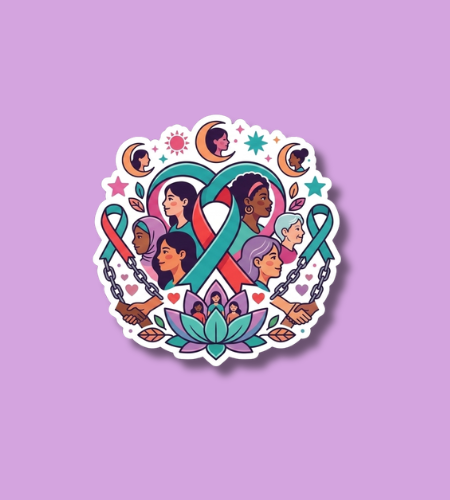
National Women and Girls HIV/AIDS Awareness Day is observed on March 10. This day is a nationwide initiative coordinated by the U.S. Department of Health and Human Services to highlight the impact of HIV and AIDS on women and girls. It serves as a call to action for increased education, testing, and treatment, emphasizing the unique biological and social challenges females face in preventing and managing the virus.
Table of Contents
History of National Women and Girls HIV/AIDS Awareness Day
The Office on Women’s Health (OWH) first launched this observance in 2006. The initiative was created in response to growing data showing that women, particularly women of color, represented an increasing share of new HIV diagnoses in the United States. By establishing a specific date, health officials aimed to move the conversation beyond general statistics and focus on the specific barriers to care for women, such as domestic violence, lack of financial independence, and limited access to reproductive healthcare.
Since its inception, the day has evolved to include a heavy focus on Pre-Exposure Prophylaxis (PrEP), a medication that can significantly reduce the risk of contracting HIV. For many years, HIV prevention messaging was primarily directed at men; however, this awareness day has successfully shifted the narrative to ensure women are included in clinical trials and public health campaigns. Every year, thousands of local organizations, health departments, and community centers use March 10 to provide free screenings and distribute life-saving information to those who may be at risk.
Why is National Women and Girls HIV/AIDS Awareness Day important?
The significance of this day lies in addressing the disparities in HIV infection rates and healthcare outcomes. Women currently make up about one-fourth of the people living with HIV in the United States, yet many are unaware of their status until they have reached advanced stages of the disease. Biologically, women are more susceptible to HIV infection during certain types of sexual contact than men, making awareness and preventive tools like PrEP and female-controlled barrier methods essential for their protection.
Furthermore, the day tackles the social stigma that often prevents women from seeking testing or adhering to treatment. Many women prioritize the health and well-being of their families over their own, leading to delays in diagnosis. By fostering a supportive environment and highlighting the success stories of women living long, healthy lives with HIV, the observance reduces fear and encourages routine testing. It also advocates for the integration of HIV services into general primary care and gynecological visits, making testing a standard part of women’s wellness.
- One in nine women living with HIV in the United States is unaware of their status.
- Black and Latina women are disproportionately affected by the virus due to systemic inequities.
- HIV treatment now allows women to have healthy pregnancies and give birth to HIV-negative babies.
- PrEP is highly effective for women but is significantly underutilized compared to men.
- Most women acquire HIV through heterosexual contact or by sharing injection drug equipment.
How to Observe National Women and Girls HIV/AIDS Awareness Day
The most effective way to observe this day is to get tested for HIV and encourage the women in your life to do the same. Many clinics and community centers offer free, confidential testing on March 10 to mark the occasion. Knowing your status is the first step toward accessing treatment that can suppress the virus to undetectable levels, which also prevents the transmission of the virus to partners. It is a day to normalize these conversations within families and social circles.
Advocacy and education are also central to the observance. You can participate by sharing fact sheets and resources from the Office on Women’s Health on social media to help debunk myths about the virus. Attending local workshops or webinars can provide deeper insight into how to support women living with HIV and how to advocate for better healthcare policies. If you are a healthcare provider, you can use the day to ensure that all female patients are screened for HIV as part of their regular preventative care routine.
- Schedule an HIV test at a local clinic or order an at-home testing kit.
- Talk openly with your doctor about whether PrEP is a good option for your lifestyle.
- Share a “Know Your Status” post on social media to help reduce the stigma.
- Support local organizations that provide housing and nutrition services for women with HIV.
- Learn about the “U=U” (Undetectable = Untransmittable) campaign and share its message.
National Women and Girls HIV/AIDS Awareness Day Dates Table
| Year | Date | Day |
|---|---|---|
| 2026 | March 10 | Tuesday |
| 2027 | March 10 | Wednesday |
| 2028 | March 10 | Friday |
| 2029 | March 10 | Saturday |
| 2030 | March 10 | Sunday |
Subscribe to our newsletter and never miss a holiday again!