



National Women’s Check-up Day
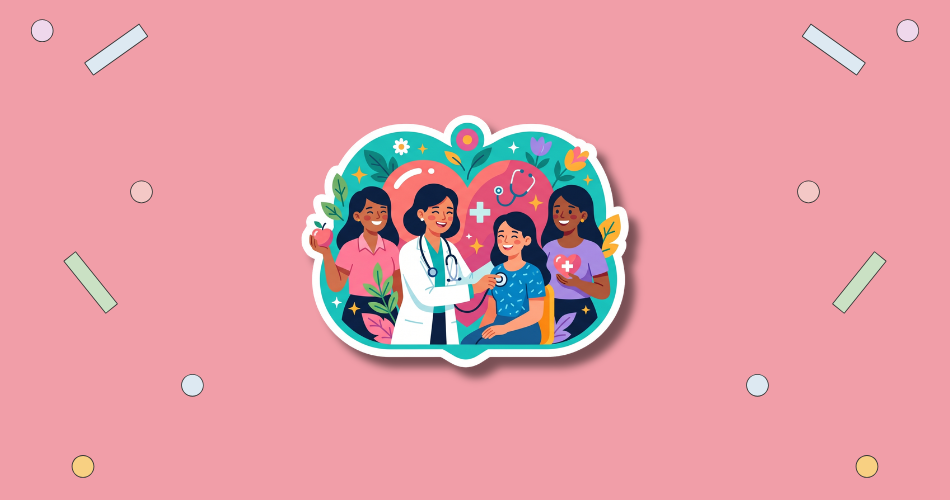
National Women’s Check-up Day is observed on the second Monday in May. In 2026, it falls on May 11. This observance encourages women across the country to schedule annual well-woman visits and prioritize their long-term health through preventive care.
Contents
See also: World Women’s Wellness Day, Women’s Healthy Weight Day, Women’s Global Happiness Day, Sex Differences in Health Awareness Day
HT Meter
Does this day matter to you?
Say that it does, and say whether you will be marking it. Both are anonymous to nobody but kind to everybody.
This day matters to me
0 Be the first to say so
First voices
0 Nobody has said so yet
Notes of remembrance
Join those marking this day to share a word, a memory, or the reason it matters to you.
These notes are kept for the people marking this day. Say you will be marking it to read them and to leave your own.
You have already shared a note here recently.
No notes yet. Yours would be the first.
History of National Women’s Check-up Day
The U.S. Department of Health and Human Services (HHS) created this day through its Office on Women’s Health. It was established as a cornerstone of National Women’s Health Week, an initiative that begins every year on Mother’s Day. The goal was to provide a specific call to action for women to engage with healthcare professionals, focusing on early detection and the management of chronic conditions. 1
National Call Your Doctor Day
Historically, women were often underrepresented in clinical trials and medical research, leading to a gap in gender-specific healthcare data. The rise of the Women’s Health Movement in the 1980s paved the way for dedicated observances like this one. By formalizing a day for check-ups, health officials aimed to shift the focus from reactive treatment to proactive wellness, ensuring women have the information needed to manage their unique biological risks.
Why is National Women’s Check-up Day important?
Preventive screenings are the most effective way to identify potential health issues before they become life-threatening. Many serious conditions, such as high blood pressure and high cholesterol, are often referred to as silent killers because they typically present no outward symptoms until significant damage has occurred. Regular check-ups allow for the monitoring of these vitals and the implementation of lifestyle changes or treatments that can extend a person’s lifespan.
This day also emphasizes the importance of age-appropriate screenings, such as mammograms and Pap tests. These exams are essential for the early detection of breast and cervical cancers, when they are most treatable. Beyond physical health, well-woman visits provide a safe environment to discuss mental health, reproductive concerns, and bone density. Prioritizing these appointments helps reduce the overall burden on the healthcare system by preventing emergency interventions.
- Regular screenings help detect chronic diseases in their earliest stages.
- Consultations provide a chance to update essential immunizations and vaccines.
- Annual visits allow doctors to track health changes over several years.
- Discussions with providers help women understand their specific genetic risk factors.
- Early intervention typically leads to lower medical costs and fewer complications.
How to Observe National Women’s Check-up Day
Make it yours
How would you like to spend National Women's Check-up Day?
Tick what fits you, and we will put together ideas made for this day — not for any day.

World Women’s Wellness Day
The most direct way to observe this day is to call a healthcare provider and schedule a well-woman exam. If an appointment has already been completed for the year, use this time to review previous results or set new fitness and nutrition goals. It is also helpful to gather a list of questions regarding family history or new symptoms to ensure the next visit is as productive as possible.
Support can also extend to the other women in your life by encouraging them to make their own appointments. Many insurance plans cover preventive services at no extra cost, so reviewing policy benefits is a practical step for the day. Sharing information about local health clinics or community screening events can help those who may not have a regular primary care physician. Taking the time to focus on self-care reinforces the idea that personal health is a necessity rather than a luxury.
- Contact a doctor to book a physical or specialized screening.
- Create a written list of health concerns to discuss with a practitioner.
- Check insurance policies to see which preventive services are fully covered.
- Encourage friends and family members to prioritize their annual exams.
- Research local community health fairs that offer free or low-cost vitals checks.
National Women’s Check-up Day Dates Table
| Year | Date | Day of the week |
|---|---|---|
| 2026 | May 11 | Monday |
| 2027 next | May 10 | Monday |
| 2028 | May 8 | Monday |
| 2029 | May 14 | Monday |
| 2030 | May 13 | Monday |

National Women’s Health And Fitness Day
Thank you for your feedback!
Fuel the next post!