
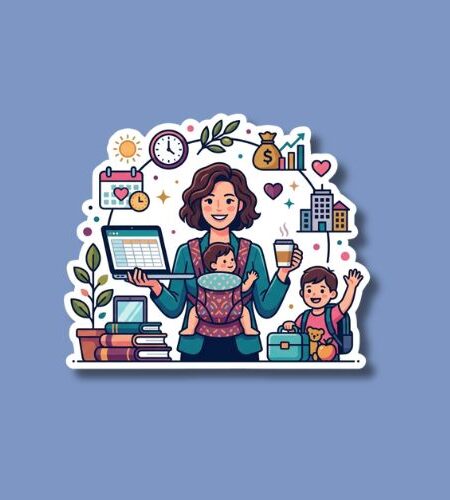
National Working Mom’s Day is observed annually on March 12. This day honors the millions of women who manage the dual responsibilities of professional careers and raising a family. It serves as a dedicated time to recognize the resilience of mothers in the workforce and to advocate for improved support systems, such as affordable childcare and flexible workplace policies, that help balance these two significant roles.
Read also about National Mom’s and Dad’s Day
Table of Contents
History of National Working Mom’s Day
The official founding of National Working Mom’s Day occurred in 2020. It was established by Susannah Lago and the organization Working Moms of Milwaukee to provide a formal platform for appreciation and networking among mothers who juggle employment and parenting. The creators chose March 12 to specifically align with Women’s History Month and to follow closely after International Women’s Day, emphasizing the economic and social contributions of working women.
While the formal holiday is relatively recent, the movement it represents is tied to decades of labor history. Following the Civil Rights Act of 1964 and the subsequent rise in female labor participation, the “working mother” became a standard demographic in the American economy. The holiday grew quickly from a local initiative in Wisconsin to a nationally recognized event as digital communities of professional mothers began sharing the March 12 date to highlight the specific challenges and successes unique to their lifestyle.
Why is National Working Mom’s Day important?
This day is important because it highlights the “second shift,” a term describing the labor mothers perform at home after their professional workday ends. Statistical data often shows that working mothers continue to handle most household management and childcare duties, regardless of their career level. By dedicating a day to this demographic, society acknowledges the significant mental and physical load these women carry to support both the national economy and the next generation.
The observance also plays a crucial role in workplace advocacy. It brings attention to the need for modernized corporate benefits, such as paid parental leave and breastfeeding accommodations, which are essential for retaining female talent. Recognizing the contributions of working moms helps reduce the “motherhood penalty”—the professional disadvantage women sometimes face after having children—and encourages a culture where career ambition and family life are seen as compatible rather than conflicting.
- The day honors the economic impact of women who serve as primary or co-breadwinners.
- It raises awareness about the ongoing need for equal pay and career advancement opportunities.
- The holiday celebrates the role-modeling effect on children of working parents.
- It provides a dedicated time for working mothers to connect and share resources.
- The event promotes the health benefits of workplace flexibility and mental health support.
How to Celebrate National Working Mom’s Day
Celebrating this day often involves practical gestures that alleviate the daily workload of a working mother. Family members can take over household chores, meal planning, or school transportation to provide the mother with genuine downtime. Employers can observe the day by hosting internal networking events or by reviewing their current policies to ensure they are providing adequate support for parents, such as allowing for remote work or flexible hours on March 12.
For the mothers themselves, the day is a time for self-care and community engagement. Many attend local meet-ups or virtual workshops focused on professional development and stress management. Another popular way to observe the day is by supporting businesses owned and operated by other working mothers. Sharing personal stories on social platforms using the official hashtag helps build a broader narrative of what it means to be a working parent today and encourages others who may be struggling with the same balancing act.
- Offer to handle dinner and bedtime routines so a working mom can relax.
- Write a note of appreciation acknowledging her professional and parental achievements.
- Patronize a local business that is owned and managed by a mother.
- Advocate for parent-friendly policies within your own place of employment.
- Take time for a personal hobby or rest if you are a working mother.
National Working Mom’s Day Dates Table
| Year | Date | Day |
|---|---|---|
| 2026 | March 12 | Thursday |
| 2027 | March 12 | Friday |
| 2028 | March 12 | Sunday |
| 2029 | March 12 | Monday |
| 2030 | March 12 | Tuesday |
Subscribe to our newsletter and never miss a holiday again!