
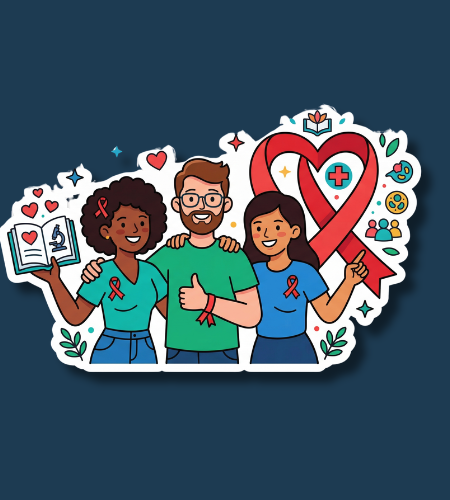
National Youth HIV and AIDS Awareness Day is observed annually on April 10. This day is a nationwide observance focused on the impact of HIV and AIDS on young people, specifically those aged 13 to 24. It serves as a call to action for improved access to sexual health education, prevention tools like PrEP, and comprehensive testing services to ensure that the next generation can live healthy, informed lives.
Read also about World AIDS Day, National Native HIV/AIDS Awareness Day, National Women and Girls HIV/AIDS Awareness Day, National Black HIV/AIDS Awareness Day, National Latino AIDS Awareness Day
Table of Contents
History of National Youth HIV and AIDS Awareness Day
The holiday was first observed in 2013, initiated by Advocates for Youth in partnership with several other health and youth-led organizations. The founders recognized that while overall HIV rates were fluctuating, young people remained a disproportionately affected demographic with unique barriers to care. By establishing a specific day in April, the organizers aimed to create a platform where youth activists could lead the conversation, rather than simply being the subjects of medical research or policy discussions.
Since its inception, the day has grown into a collaborative effort involving federal agencies like the Centers for Disease Control and Prevention (CDC) and various non-profit groups. It has evolved to address modern advancements in treatment, such as the concept of “Undetectable = Untransmittable” (U=U), which was not as widely understood when the holiday began. The observance continues to prioritize youth leadership, empowering young ambassadors to advocate for medically accurate sex education and the removal of parental consent barriers for essential preventative healthcare.
Why is National Youth HIV and AIDS Awareness Day important?
Statistics from health organizations indicate that young people represent nearly one-fifth of all new HIV diagnoses in the United States. A significant portion of this population is unaware of their status because they have never been tested, often due to the stigma associated with the virus or a lack of transportation to clinics. This day is important because it specifically targets these obstacles, providing a dedicated timeframe to normalize testing as a routine part of self-care rather than a source of shame or fear.
The holiday also highlights the “PrEP gap,” where young adults have the highest unmet need for pre-exposure prophylaxis despite its high effectiveness in preventing infection. By focusing on youth, the day encourages healthcare providers to adapt their services to be more “youth-friendly,” meaning they are confidential, non-judgmental, and culturally competent. Addressing these systemic issues helps reduce the disparities that affect marginalized communities, including Black and Latinx youth, who are statistically more likely to be impacted by the epidemic.
- One in five new HIV diagnoses in the U.S. occurs among people aged 13 to 24.
- Many young people living with HIV do not know their status due to lack of testing.
- The day promotes awareness of PrEP as a vital daily medication for prevention.
- It advocates for comprehensive sex education in schools across the country.
- Peer-to-peer education on this day helps dismantle long-standing social stigmas.
How to Celebrate National Youth HIV and AIDS Awareness Day
Celebrating this day often begins with education and personal health responsibility. Many young people choose to observe the day by getting tested at a local clinic or using a self-testing kit at home. Sharing the location of free and confidential testing sites on social media is a practical way to help others who may be seeking resources. Many schools and universities host “health fairs” or panel discussions where students can ask questions about reproductive health and HIV prevention in a safe, supportive environment.
Advocacy is another major component of the holiday. You can celebrate by contacting local policymakers to support funding for HIV prevention programs or by joining youth-led organizations that work on health equity. Wearing ribbons or sharing digital toolkits provided by health agencies helps keep the conversation visible throughout the day. For those who want to be more involved, becoming a youth ambassador or participating in a community “walk-and-talk” event can help build a network of support for those currently living with the virus.
- Schedule a routine HIV test at a local community health center or clinic.
- Share factual information about HIV prevention and treatment on your social platforms.
- Attend a webinar or workshop led by youth activists or health professionals.
- Discuss your health status and prevention strategies openly with your partners.
- Support organizations that provide housing and medical care for youth living with HIV.
National Youth HIV and AIDS Awareness Day Dates Table
| Year | Date | Day |
|---|---|---|
| 2026 | April 10 | Friday |
| 2027 | April 10 | Saturday |
| 2028 | April 10 | Monday |
| 2029 | April 10 | Tuesday |
| 2030 | April 10 | Wednesday |
Subscribe to our newsletter and never miss a holiday again!