
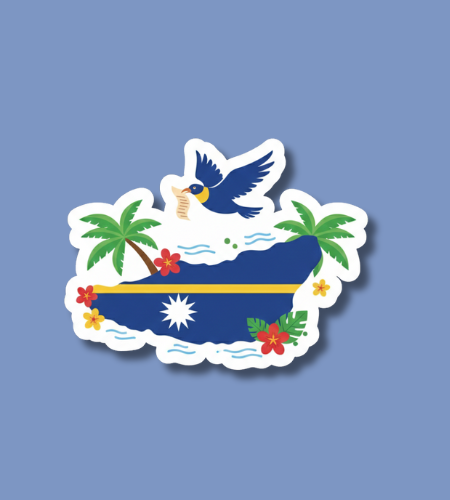
Nauru Independence Day is observed on January 31. This date serves as the national day for the Republic of Nauru, marking the moment in 1968 when the island officially gained its sovereignty. The celebration is unique because it also commemorates the 1946 return of Nauruan survivors from the island of Chuuk following World War II. For the citizens of the world’s smallest independent republic, the day is a dual tribute to the restoration of their people and the birth of their self-governance.
Table of Contents
History of Nauru Independence Day
The path to Nauruan sovereignty was shaped by decades of foreign administration and the exploitation of its rich phosphate reserves. Following World War I, the island was placed under a joint trusteeship administered by Australia, New Zealand, and the United Kingdom. During World War II, the island suffered a brutal Japanese occupation, during which approximately 1,200 Nauruans were forcibly deported to the Chuuk Lagoon to serve as laborers. The hardships of exile and the loss of life nearly brought the Nauruan population to the brink of extinction.
On January 31, 1946, the surviving Nauruans were finally able to return to their homeland, an event that became a cornerstone of their national identity. Over the following two decades, local leaders, headed by Hammer DeRoburt, pushed for the right to control their own political and economic future. These efforts culminated in the formal declaration of independence exactly twenty-two years after the return from exile. By choosing January 31 as Independence Day, the founders ensured that the nation’s freedom would forever be linked to the resilience shown by the survivors of the war.
Why is Nauru Independence Day important?
This day is a vital affirmation of the survival of the Nauruan people as a distinct ethnic and political entity. For a nation with a small land area and population, maintaining sovereignty is a significant achievement that protects its unique culture and language. The holiday serves as a time to reflect on the “Angam” spirit—a Nauruan word meaning “homecoming” or “celebration”—which emphasizes the importance of reaching a sustainable population level for the island’s future. It reinforces the connection between the people, their land, and the surrounding Pacific Ocean.
The observance also highlights Nauru’s place on the global stage as a member of the United Nations and the Pacific Islands Forum. It provides an opportunity for the government to address the nation regarding economic goals, environmental restoration after years of phosphate mining, and regional security. By celebrating their history, Nauruans pass down the stories of their forefathers’ tenacity to younger generations. This continuity is essential for a country that has navigated extreme shifts in wealth and environmental landscape over the last century.
- The holiday marks the end of colonial trusteeship and the start of self-rule.
- It honors the 762 survivors who returned home after the hardships of World War II.
- National pride is reinforced through the hoisting of the 12-pointed star flag.
- The day promotes the preservation of the Nauruan language and matrilineal traditions.
- It serves as a focal point for discussing the nation’s future economic sustainability.
How to Celebrate Nauru Independence Day
Celebrations in the capital of Yaren and across the island’s districts are characterized by high-energy sporting events and community gatherings. The day typically begins with a formal flag-raising ceremony and a parade featuring the Nauru Police Force, school groups, and government departments. One of the most distinctive traditions is a series of “island-wide” competitions, including fishing tournaments, tug-of-war, and wrestling matches. These activities foster a sense of friendly rivalry and camaraderie among the various constituencies of the island.
Food plays a central role in the festivities, with families preparing elaborate banquets that feature local delicacies. Traditional dishes often include fresh seafood, taro, and coconut-infused treats, which are shared during communal feasts. Choral competitions are also common, where different groups perform songs that recount the history of the island and the journey to freedom. For many, the day concludes with a special banquet held specifically for the “young at heart,” honoring the elders who witnessed the country’s transition to an independent republic.
- Attend the colorful morning parade held in the government district.
- Participate in a fishing competition to catch the largest local reef fish.
- Listen to the national anthem, “Nauru Bwiema,” during official ceremonies.
- Join a community feast to sample traditional root vegetables and tropical fruits.
- Watch the traditional wrestling matches that showcase local strength and skill.
Nauru Independence Day Dates Table
| Year | Date | Day |
|---|---|---|
| 2026 | January 31 | Saturday |
| 2027 | January 31 | Sunday |
| 2028 | January 31 | Monday |
| 2029 | January 31 | Wednesday |
| 2030 | January 31 | Thursday |
Subscribe to our newsletter and never miss a holiday again!