
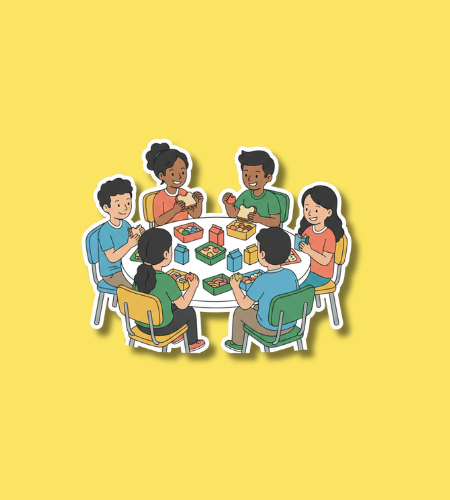
National No One Eats Alone Day is observed on the third Friday of February. In 2026, it falls on February 20. This day is a flagship initiative designed to combat social isolation in middle schools across the United States by encouraging students to reach out to peers who may be sitting by themselves during lunch. It serves as a powerful reminder that simple acts of inclusion can significantly improve the mental health and school experience of children who often feel invisible or marginalized. By focusing on the cafeteria—a place where social hierarchies are most visible—the holiday empowers students to take a proactive role in creating a culture of belonging and kindness within their educational environments.
Table of Contents
History of National No One Eats Alone Day
The holiday was created by Beyond Differences, a non-profit organization founded by the parents of Lili Smith, a teenager who suffered from social isolation due to a rare cranial-facial syndrome. After Lili passed away, her parents established the group to address the “silent crisis” of social isolation among middle schoolers. They recognized that while bullying is often addressed through school policies, the more subtle pain of being excluded or ignored is frequently overlooked by adults.
The first No One Eats Alone Day was launched in a handful of schools in Northern California but quickly gained national momentum. Today, thousands of schools in all fifty states participate in the event, reaching millions of students annually. The initiative has evolved from a local memorial project into a massive movement supported by educators, parents, and community leaders who recognize that social connection is as vital to a student’s success as academic performance.
Why is National No One Eats Alone Day?
This day is vital because it targets a critical developmental period where social belonging is essential for emotional well-being. Middle school students are particularly vulnerable to the effects of social isolation, which has been linked to higher rates of depression, anxiety, and poor academic outcomes. By providing a structured day to practice inclusion, the program helps break down social barriers and prevents the long-term psychological damage associated with chronic loneliness.
The observance also teaches students the tangible skills of empathy and social courage. It is often difficult for a young person to approach a stranger or sit with someone outside their immediate friend group for fear of social repercussions. No One Eats Alone Day provides a “permission slip” for students to act on their kindest impulses, demonstrating that they have the power to change someone’s day—and perhaps their life—simply by sharing a meal and a conversation.
- Schools that prioritize social inclusion often see a decrease in reported bullying incidents.
- Building a sense of community improves overall student engagement and attendance rates.
- Practicing inclusive behavior at a young age prepares students for diverse professional environments.
- The day raises awareness for the “invisible” students who may be struggling with social anxiety.
- Peer-led initiatives are often more effective at changing school culture than adult-led lectures.
How to Observe National No One Eats Alone Day
The primary way to observe the day is to participate in the “Beyond Differences” curriculum within a school setting. Students are encouraged to look for peers sitting alone in the cafeteria and join them, using “conversation starters” to find common interests. Many schools organize festive activities, such as decorating lunch tables with welcoming signs, hosting music in the cafeteria, or setting up photo booths to celebrate new friendships made during the lunch hour.
Outside of schools, community members can observe the day by supporting local youth organizations or discussing the importance of inclusion with the children in their lives. Adults can lead by example in their own workplaces or social circles by trying to include those who seem reserved or new to the group. Sharing the message of the holiday on social media helps raise funds for the non-profit and encourages more school districts to adopt the program for future years.
- Join a student who is eating by themselves and introduce yourself with a friendly question.
- Use provided conversation cards to help break the ice and avoid awkward silences.
- Distribute “I am an Includer” stickers to students who participate in the lunch event.
- Organize a school assembly to talk about the physical and emotional impact of social isolation.
- Share your school’s success stories and photos on social media to inspire other communities.
National No One Eats Alone Day Dates Table
| Year | Date | Day |
|---|---|---|
| 2026 | February 20 | Friday |
| 2027 | February 19 | Friday |
| 2028 | February 18 | Friday |
| 2029 | February 16 | Friday |
| 2030 | February 15 | Friday |
Subscribe to our newsletter and never miss a holiday again!