



Oklahoma Day
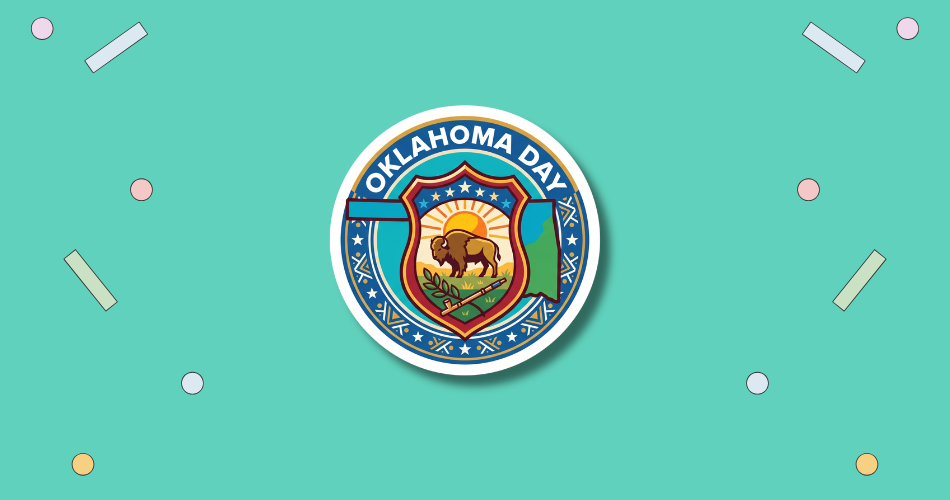
Oklahoma Day is observed annually on April 22. In 2027, this date falls on a Thursday. The holiday commemorates the anniversary of the Land Run of 1889, when the “Unassigned Lands” of the Oklahoma District were opened for settlement. This event marked the beginning of a rapid population surge and the eventual path toward Oklahoma becoming the 46th state in the Union.
Contents
See also: National Oklahoma City Bombing Commemoration Day
HT Meter
Does this day matter to you?
Tap the meter if it does, and say whether you will be celebrating — that is what opens the wishes from everybody else who will be.
This day matters to me
0 Be the first to say so
Just getting started
0 Let others know you’re in.
Wishes, greetings and stories
Join the celebration to share a wish, a greeting, or how this day goes in your house.
These are kept for the people celebrating this day. Say you will be celebrating to read them and to add your own.
You have already shared something here recently.
Nothing here yet. Yours would be the first.
History of Oklahoma Day
The origins of Oklahoma Day date back to noon on April 22, 1889, when an estimated 50,000 people gathered at the borders of the central Oklahoma territory. At the sound of a pistol shot, settlers raced on horseback, in wagons, and on foot to stake claims to nearly two million acres of land. By the end of that single day, the cities of Guthrie and Oklahoma City had transformed from open prairie into bustling tent cities with thousands of residents. This “land rush” was a unique method of distribution under the Homestead Act, favoring those who were fastest to reach a claim.
Kansas Day
While the day focuses on the 1889 settlement, the history of the region includes the earlier forced relocation of Native American tribes under the Indian Removal Act of 1830. The “Unassigned Lands” were a specific tract that had not been assigned to any particular tribe during later treaties. The momentum from the 1889 rush led to the Organic Act of 1890, which formally organized the Oklahoma Territory. In 1907, this territory merged with Indian Territory to form the state of Oklahoma, and the anniversary of the original land run was eventually established as a day of statewide reflection and pride.
Why is Oklahoma Day important?
The day serves as a reminder of the “Sooner” spirit and the pioneer history that defines the state’s identity. It highlights the determination of the thousands of families who sought a new start on the frontier, often living in sod houses while they established farms and businesses. The holiday provides an opportunity to study the rapid urban development that occurred in the late 19th century, as infrastructure and government systems were built virtually overnight following the initial rush.
Observing this day also prompts important conversations about the displacement of Indigenous peoples and the complex interactions between different cultures in the region. It is a time for residents to acknowledge the state’s diverse heritage, ranging from its tribal roots to its oil boom history and agricultural legacy. By focusing on the events of 1889, the holiday helps citizens understand the legislative and social foundations that allowed Oklahoma to transition from a territory into a modern state.
- The event marked the creation of major cities like Oklahoma City in a single day
- It commemorates the largest and most famous of the several Oklahoma land runs
- The day honors the diverse cultural groups that settled in the region
- Public schools often use the day to teach state-specific history and geography
- It highlights the historical significance of Guthrie as the first state capital
How to Observe Oklahoma Day
Make it yours
How would you like to spend Oklahoma Day?
Tick what fits you, and we will put together ideas made for this day — not for any day.

National Oklahoma City Bombing Commemoration Day
Many communities celebrate by hosting historical reenactments, particularly in Guthrie, where the “89er Days” festivities include parades and chuckwagon feeds. Visiting state museums, such as the Oklahoma History Center, allows for a deeper look at the artifacts and documents from the 1889 land run. Families often observe the day by exploring local state parks or driving along the historic Route 66 to appreciate the natural landscape and landmarks that characterize the “Sooner State.”
Educational activities are a staple of the holiday, with libraries and schools featuring exhibits on Oklahoma’s symbols, such as the scissor-tailed flycatcher and the bison. To celebrate at home, individuals might cook traditional regional foods like fried okra, biscuits, or barbecue while listening to music by famous Oklahoma artists. Engaging with tribal cultural centers is also a meaningful way to honor the full history of the land and the people who lived there long before the 19th-century settlers arrived.
- Attend a local parade or rodeo in a historic town like Guthrie
- Visit the Oklahoma History Center to see original land claim documents
- Explore a local museum dedicated to pioneer life and sod houses
- Cook a meal featuring Oklahoma’s official state food items
- Read books or watch documentaries about the 1889 Land Run
Oklahoma Day Dates Table
| Year | Date | Day of the week |
|---|---|---|
| 2026 | April 22 | Wednesday |
| 2027 next | April 22 | Thursday |
| 2028 | April 22 | Saturday |
| 2029 | April 22 | Sunday |
| 2030 | April 22 | Monday |