
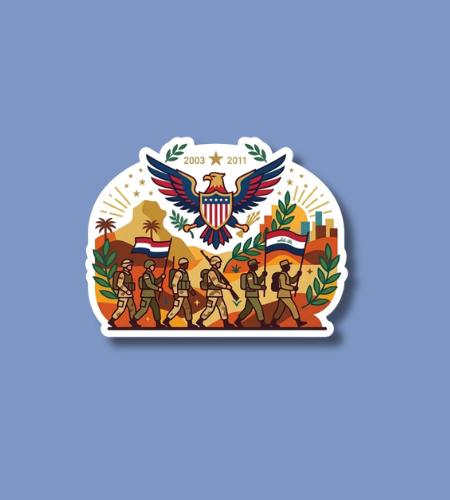
Operation Iraqi Freedom Day is observed on March 19. This day marks the anniversary of the 2003 military campaign launched by a United States-led coalition to remove Saddam Hussein from power. It serves as a time of reflection on the decade-long conflict that followed and the profound impact the military operation had on the geopolitical landscape of the Middle East and the lives of millions.
Table of Contents
History of Operation Iraqi Freedom Day
The origins of this day trace back to March 19, 2003, when the United States and its coalition partners initiated airstrikes against targets in Baghdad. The operation was launched following an ultimatum given to the Iraqi leadership to leave the country. The military strategy, often described as “shock and awe,” sought to dismantle the ruling Ba’athist regime quickly. By April 9, 2003, coalition forces had moved into central Baghdad, symbolized by the toppling of the Saddam Hussein statue in Firdos Square.
While the initial major combat phase was relatively brief, the operation transitioned into a protracted conflict characterized by an insurgency and sectarian violence. The mission’s stated goals included eliminating suspected weapons of mass destruction and ending state-sponsored terrorism. Although the search for such weapons did not yield the expected results, the operation successfully ended the decades-long dictatorship of Saddam Hussein. The war officially continued until December 2011, when the last U.S. troops were withdrawn from the country.
Why is Operation Iraqi Freedom Day important?
This day is significant because it honors the service and sacrifice of the millions of military personnel who deployed to Iraq over the course of the conflict. It provides a formal opportunity for veterans to reconnect and for the public to recognize the long-term physical and mental toll the war took on those who served. By setting aside time for remembrance, the day ensures that the individual stories of bravery and loss are not overshadowed by the broader political debates surrounding the war’s justification.
Furthermore, the anniversary prompts important discussions regarding the lessons learned from the invasion and its aftermath. It encourages an examination of foreign policy, the accuracy of intelligence, and the challenges of nation-building in the modern era. For the Iraqi people, the date represents a massive turning point that brought both the end of a brutal regime and a period of intense national instability. Reflecting on this day helps society understand the complex ripple effects that a single military operation can have on global security.
- It recognizes the service of coalition veterans who served in the Iraq War.
- The day marks the end of the dictatorial rule of Saddam Hussein.
- It provides a dedicated time for military families to honor their loved ones.
- The anniversary encourages the study of modern military history and strategy.
- It highlights the ongoing needs of veterans returning from Middle East deployments.
How to Observe Operation Iraqi Freedom Day
Observing this day is often a quiet and reflective experience focused on education and gratitude. Many people choose to visit local veterans’ memorials or national cemeteries to pay their respects to those who did not return. It is also common for community groups to host forums or guest speaker events where veterans share their firsthand accounts of the conflict. Reading historical texts or watching documentaries about the 2003 invasion can help provide a deeper understanding of the events that shaped the early 21st century.
On a personal level, you can observe the day by reaching out to veterans in your community to acknowledge their service. Many organizations collect donations on this day to support wounded warriors and provide mental health resources for those affected by their time in Iraq. Sharing information about the PACT Act or other veteran benefits helps ensure that those who served have access to the care they earned. Simple acts of recognition, such as flying the flag or observing a moment of silence, help maintain the dignity of the day.
- Visit a local military memorial to honor those who served in Iraq.
- Reach out to a veteran friend or family member to show appreciation.
- Donate to a non-profit organization that assists Iraq War veterans.
- Watch a documentary to learn about the timeline of the 2003 invasion.
- Attend a local commemorative ceremony or veterans’ breakfast.
Operation Iraqi Freedom Day Dates Table
| Year | Date | Day |
|---|---|---|
| 2026 | March 19 | Thursday |
| 2027 | March 19 | Friday |
| 2028 | March 19 | Sunday |
| 2029 | March 19 | Monday |
| 2030 | March 19 | Tuesday |
Subscribe to our newsletter and never miss a holiday again!