
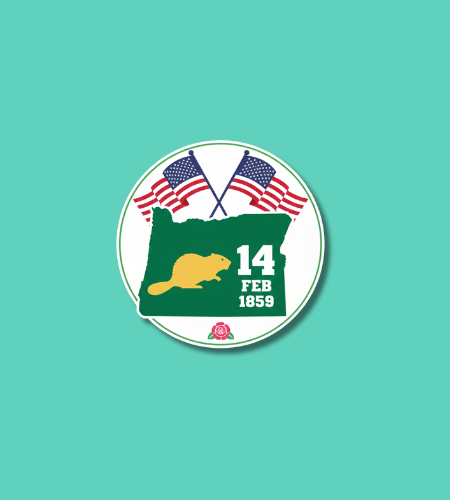
Oregon Statehood Day in the United States is observed annually on February 14, marking the anniversary of the state’s formal admission to the Union in 1859. This local observance, colloquially known as Oregon’s birthday, celebrates the region’s transition from a territory to the 33rd state. Because it coincides with Valentine’s Day, the state is often affectionately linked to themes of love and heritage. Residents use this day to honor Oregon’s pioneer history, its diverse natural landscapes ranging from the Pacific coast to the high desert, and its unique cultural identity.
Table of Contents
History of Oregon Statehood Day in the United States
The path to statehood began in earnest with the establishment of the Oregon Territory on August 14, 1848. Before this, the region was part of the “Oregon Country,” which was jointly occupied by the United States and Great Britain until the Oregon Treaty of 1846 fixed the boundary at the 49th parallel. The mid-19th century saw thousands of pioneers traveling the 2,000-mile Oregon Trail, seeking fertile land in the Willamette Valley. This influx of settlers created a pressing need for a structured government, leading to the formation of a provisional government at Champoeg in 1843, which laid the political groundwork for future statehood.
In 1857, Oregonians drafted a state constitution and overwhelmingly voted in favor of joining the Union. However, the petition for statehood became entangled in the national debate over slavery. Oregon was admitted as a “free state,” though its original constitution included exclusionary clauses that barred African Americans from living or owning property in the state—provisions that were not repealed for many decades. On February 14, 1859, President James Buchanan signed the bill that officially granted Oregon statehood. News of the admission reached the new state capital in Salem nearly a month later via ship and stagecoach.
Why is Oregon Statehood Day in the United States important?
This day is significant because it celebrates the culmination of the “Oregon Fever” era and the state’s enduring role as a frontier of innovation. The observance provides a dedicated time to reflect on the state motto, “Alis Volat Propriis” (She flies with her own wings), which embodies Oregon’s independent and progressive spirit. It honors the contributions of the early settlers and the Indigenous peoples, such as the Nez Perce and Chinook, who inhabited the land long before the arrival of the wagon trains. The day fosters a sense of pride in Oregon’s reputation for environmental stewardship and its pioneering laws.
The holiday also highlights the state’s diverse economic and natural contributions to the nation. Known as the “Beaver State,” Oregon is a leader in timber production, agriculture—specifically hazelnuts and berries—and the technology sector. Celebrating statehood encourages residents to appreciate the preserved wilderness of the Cascade Mountains, the Columbia River Gorge, and Crater Lake, the deepest lake in the United States. By acknowledging this anniversary, Oregonians reinforce their commitment to maintaining the natural beauty and social independence that have defined the state for over 160 years.
- Oregon was the 33rd state admitted to the United States.
- The state is the only one with a two-sided flag featuring a beaver on the reverse.
- Statehood Day honors the legacy of pioneers who traveled the iconic Oregon Trail.
- The admission date earned Oregon the nickname of being a “Valentine State.”
- The observance marks the official transition from territorial rule to sovereign statehood.
How to Observe Oregon Statehood Day in the United States
Celebrating involves attending “Oregon’s Birthday” events, primarily at the State Capitol in Salem. These festivities often feature the display of the original 1859 State Constitution and appearances by costumed historic interpreters portraying figures like Dr. John McLoughlin, the “Father of Oregon.” Families can participate in hands-on activities such as pioneer-style quilting, wheat grinding, and blacksmithing demonstrations. Public ceremonies typically include the singing of the state song, “Oregon, My Oregon,” and the serving of birthday cupcakes to visitors.
Many residents observe the day by exploring the state’s 250+ state parks or visiting historic sites like the Oregon Trail Interpretive Center. Schools and libraries host essay contests and educational programs focusing on state symbols, such as the Western Meadowlark and the Douglas Fir. For those who enjoy local flavors, the day is an opportunity to support Oregon-based businesses and enjoy regional staples like tater tots or marionberry pie. Community-led “Founder’s Day” events in places like Champoeg State Heritage Area provide additional opportunities to learn about the early political meetings that shaped the state’s future.
- Visit the Oregon State Capitol for historic tours and birthday cupcakes.
- View the original Oregon Constitution at the State Archives in Salem.
- Explore a segment of the historic Oregon Trail at a local heritage site.
- Support local agriculture by preparing a meal with Oregon-grown hazelnuts or berries.
- Take a commemorative photo at one of the state’s “Seven Wonders,” such as Mt. Hood.
Oregon Statehood Day in the United States Dates Table
| Year | Date | Day |
|---|---|---|
| 2026 | February 14 | Saturday |
| 2027 | February 14 | Sunday |
| 2028 | February 14 | Monday |
| 2029 | February 14 | Wednesday |
| 2030 | February 14 | Thursday |
Subscribe to our newsletter and never miss a holiday again!