
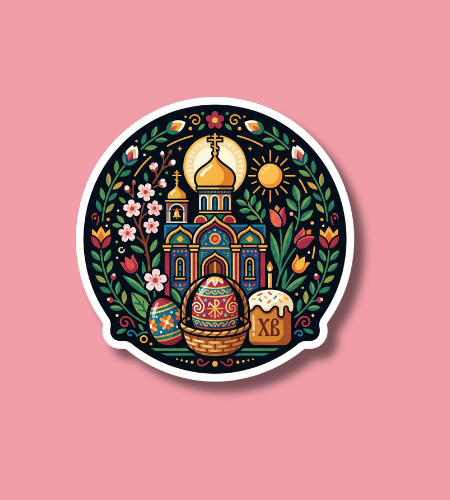
Orthodox Easter Monday, also known as Bright Monday or Renewal Monday, is the day following Orthodox Easter Sunday and is observed as a public holiday in many Eastern Christian nations. In 2026, it falls on April 13. This day marks the beginning of Bright Week, a period of celebration where the joy of the Resurrection is extended, and traditional fasting rules are suspended.
Table of Contents
History and Religious Significance
Orthodox Easter Monday is the second day of the “Bright Week” (Diakainisimos), which symbolizes the renewal of the world through the Resurrection of Jesus Christ. In the Orthodox tradition, the dates are calculated according to the Julian Calendar, which often places Easter (Pascha) later than the Western (Gregorian) date.
Historically, the week following Easter was a time when newly baptized Christians wore their white robes and participated in daily liturgies. Today, the religious services on Bright Monday are characterized by their joyful nature; the “Royal Doors” of the iconostasis (the screen separating the altar from the nave) remain open throughout the week to signify that the gates of Heaven have been opened to all.
Cultural Traditions and Customs
While the day begins with religious services, it is largely characterized by outdoor celebrations, family visits, and community games. Across Eastern Europe and the Balkans, specific folk traditions have merged with religious observance to create a vibrant day of celebration.
1. The Easter Greeting
Throughout Bright Monday and the rest of the week, the standard greeting remains the Paschal troparion:
- Greeting: “Christ is Risen!” (Christos Anesti in Greek, Khristos Voskrese in Russian).
- Response: “Truly He is Risen!” (Alithos Anesti or Voistinu Voskrese).
2. Water Traditions (Wet Monday)
In countries like Ukraine, Poland (though often observed by Western Catholics there too), and parts of the Balkans, this day is sometimes called “Wet Monday.” It is a tradition for young people to playfully splash each other with water. This stems from ancient spring cleansing rituals and symbolizes purification and the life-giving nature of the Resurrection.
3. Community Dancing and Feasting
In Greece and Cyprus, many villages hold the “Dance of Easter” in the church courtyard or village square. Families gather for large outdoor feasts featuring roasted lamb, Tsoureki (sweet Easter bread), and red-dyed eggs.
4. Visiting Cemeteries
In some traditions, particularly in Russia and Moldova, families visit the graves of their loved ones on or shortly after Easter Monday. They bring red eggs and sweets to the cemetery to “share” the joy of the Resurrection with those who have passed away, viewing the holiday as a victory over death for both the living and the dead.
Why is Orthodox Easter Monday Important?
- Extension of Joy: It prevents the spiritual “high” of Easter Sunday from fading too quickly, allowing for a sustained period of reflection and celebration.
- Social Cohesion: As a public holiday in countries like Greece, Romania, Bulgaria, Serbia, and Russia, it allows families who live far apart to spend an extra day together.
- Theological Symbolism: The open church doors and the lack of kneeling during prayers signify a time of grace where the “burden” of the law is replaced by the joy of the Spirit.
How to Celebrate Orthodox Easter Monday
- Attend a Bright Monday Liturgy: Experience the unique, upbeat chanting and the procession that often takes place around the church.
- Host a Paschal Brunch: Serve traditional foods like Pascha (a cheese-based dessert) or Kulich (tall, iced bread).
- Participate in Egg Tapping: Continue the game of tsougrisma, where two people tap their red eggs together; the person whose egg doesn’t crack is said to have good luck.
- Take a Nature Walk: Since the holiday celebrates “Renewal,” spending time in the spring air reflects the theme of new life.
Subscribe to our newsletter and never miss a holiday again!