
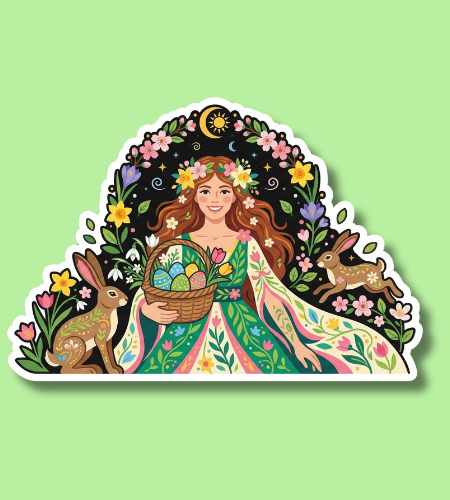
Ostara is a modern Pagan and Wiccan holiday observed on the spring equinox, marking the exact moment when day and night are in equal balance. This festival celebrates the themes of renewal, fertility, and the return of life to the earth as the Northern Hemisphere begins to tilt back toward the sun. In 2026, it falls on Friday, March 20. The name is derived from Eostre, an ancient Germanic goddess of the dawn and spring, whose symbols of hares and eggs have deeply influenced modern seasonal traditions. As the midpoint between the winter solstice and the summer solstice, Ostara serves as a spiritual and agricultural marker for planting seeds and embracing the growth of the coming year.
Table of Contents
History of Ostara
The historical roots of Ostara are primarily linked to the writings of the Venerable Bede, an 8th-century monk who recorded that the Anglo-Saxon month of Eosturmonath was named after the goddess Eostre. According to these early accounts, feasts were held in her honor to celebrate the rising sun and the burgeoning fertility of the land. While direct archaeological evidence of a goddess named Eostre is limited, the linguistic connection to the word “Easter” suggests that these pre-Christian spring rites were significant enough to influence the nomenclature of later religious observances.
In the 1970s, the holiday was formally integrated into the Wiccan Wheel of the Year by practitioner Aidan Kelly. He sought to create a cohesive set of names for the eight major Sabbats, choosing “Ostara” to represent the vernal equinox. Modern practitioners have since expanded the lore of the holiday, blending historical Germanic influences with broader European folk traditions involving the “Easter Hare” and decorated eggs. Today, Ostara is recognized worldwide by Neopagans as a time to honor the Maiden aspect of the Goddess and the greening of the natural world after the dormancy of winter.
Why is Ostara important?
Ostara is significant because it honors the concept of perfect equilibrium, where light and dark coexist in equal measure before the sun eventually overtakes the night. This balance provides a psychological and spiritual opportunity for individuals to find stability in their own lives and reconcile opposing forces within their personalities. It serves as the official “awakening” of the earth, where the potential energy stored during the winter months finally erupts into physical growth. For many, it is a time of profound hope, signaling that the hardships of the cold season have passed and a period of abundance is beginning.
The holiday also emphasizes the interconnectedness of human life and the agricultural cycle. By focusing on fertility and the “sowing of seeds,” Ostara encourages people to set intentions for projects or personal changes they wish to see flourish by the summer harvest. It validates the importance of nurturing new ideas and protecting fragile beginnings. In a modern context, the day highlights environmental stewardship, reminding participants to appreciate the resilience of nature and the vital importance of protecting the ecosystems that provide our food and air.
- It marks the precise astronomical beginning of spring in the Northern Hemisphere.
- The holiday celebrates the biological peak of fertility in birds and small mammals.
- It provides a ritualized way to let go of “winter” habits and stagnant energy.
- The event honors the balance between the solar and lunar cycles of the year.
- it connects modern spiritual practices to ancient agricultural traditions and folk customs.
How to Celebrate Ostara
One of the most traditional ways to observe Ostara is by planting a physical garden or starting seeds in indoor pots. This act directly aligns your personal energy with the growth occurring in the natural world and provides a tangible way to track the progress of your intentions. Decorating eggs is another central activity, using natural dyes made from onion skins, beets, or spinach to represent the colors of the earth. These eggs are often placed on seasonal altars or used in outdoor rituals to symbolize the “world egg” from which all life emerges.
Many people also choose to perform a “spring cleaning” of their homes to physically clear out the dust and clutter accumulated during the winter. This process is often viewed as a spiritual act of making space for new opportunities and fresh energy. Taking a mindful walk in nature to look for the first signs of budding trees or returning migratory birds helps to ground the observer in the current season. Feasting on seasonal foods such as leafy greens, sprouts, eggs, and honey-based breads further connects the body to the shifting cycles of the earth’s production.
- Decorate hard-boiled eggs with symbols of growth and personal goals.
- Start a small herb garden on a windowsill to welcome the green season.
- Wake up early to watch the sunrise and acknowledge the returning light.
- Take a nature hike specifically to look for early spring wildflowers and buds.
- Light green and yellow candles to represent the sun and new vegetation.
Ostara Dates Table
| Year | Date | Day |
|---|---|---|
| 2026 | March 1 | Sunday |
| 2027 | March 1 | Monday |
| 2028 | March 1 | Wednesday |
| 2029 | March 1 | Thursday |
| 2030 | March 1 | Friday |
Subscribe to our newsletter and never miss a holiday again!