
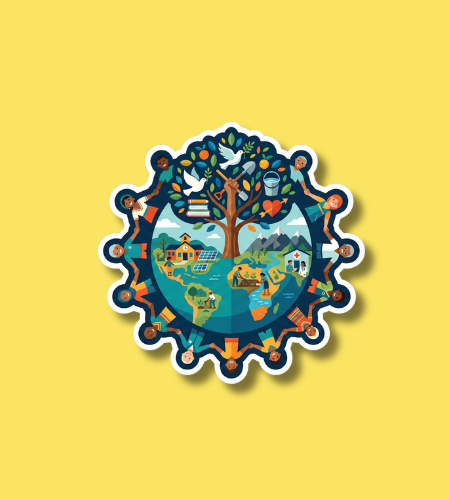
Peace Corps Day is observed on March 1. This day commemorates the establishment of the Peace Corps, a volunteer program run by the United States government that provides social and economic development assistance abroad. The observance honors the dedication of thousands of volunteers who work in sectors such as agriculture, education, and health to promote world peace and cross-cultural understanding between Americans and people in countries around the globe.
Table of Contents
History of Peace Corps Day
The origins of the Peace Corps trace back to a late-night impromptu speech given by then-Senator John F. Kennedy on October 14, 1960, at the University of Michigan. During his presidential campaign, Kennedy challenged a crowd of students to dedicate years of their lives to serving the cause of global peace. Following his election, President Kennedy signed Executive Order 10924 on March 1, 1961, officially establishing the agency. This executive action turned the campaign idea into a functional federal organization dedicated to international service. 1
Later that year, Congress solidified the agency’s permanent status by passing the Peace Corps Act on September 22, 1961. Sargent Shriver, Kennedy’s brother-in-law, served as the first director and was instrumental in shaping the program’s three core goals: providing technical assistance, helping people outside the U.S. understand American culture, and helping Americans understand the cultures of other nations. Since its founding, over 240,000 Americans have served in more than 140 countries, making the organization a cornerstone of American soft power and international diplomacy.
Why is Peace Corps Day important?
This day is significant because it highlights the impact of grassroots humanitarianism on global stability and development. Unlike traditional diplomatic efforts, the Peace Corps operates through individual volunteers who live and work alongside local community members for two-year terms. This immersive approach allows for sustainable change in critical areas such as food security, maternal health, and environmental conservation. The holiday serves as a recognition of the personal sacrifices made by volunteers who often live in remote areas with limited resources to fulfill their mission.
The observance also emphasizes the importance of the “Third Goal”—bringing the world back home. Returned Peace Corps Volunteers (RPCVs) use their unique cross-cultural perspectives and language skills to enrich their home communities and workplaces in the United States. By celebrating this day, the public acknowledges how global service fosters a more informed and empathetic citizenry. It serves as an annual reminder of the power of human connection to overcome cultural barriers and address the world’s most pressing challenges through direct, peaceful cooperation.
- The agency has sent volunteers to work in over 60 different countries simultaneously.
- Volunteers undergo three months of intensive language and cultural training before their service.
- The program provides a pathway for Americans to gain professional experience in international development.
- Peace Corps Day promotes the ideal of “service for the sake of peace” rather than military intervention.
- The observance helps inspire new generations to apply for the volunteer program.
How to Celebrate Peace Corps Day
Celebrating this day often involves engaging with the stories and experiences of Returned Peace Corps Volunteers. Many people observe the day by attending local “story slams” or community panels where former volunteers share artifacts, photos, and personal accounts from their time overseas. If you know an RPCV, taking the time to ask about their host country’s traditions is a meaningful way to acknowledge their service and learn about a different part of the world.
For those interested in global development, the day is an ideal time to research current volunteer opportunities or donate to specific community projects led by active volunteers. Educators frequently participate by inviting guest speakers into their classrooms to talk about global issues and cultural diversity. In the kitchen, families can celebrate by preparing a meal inspired by a country where the Peace Corps is active, using the experience to discuss the shared values and diverse customs that link people across different continents.
- Attend a local event featuring speakers who served in the Peace Corps.
- Donate to a “Volunteer-led project” to support specific community needs abroad.
- Prepare a traditional dish from a country like Ghana, Mongolia, or Peru.
- Share educational resources or volunteer blogs on social media to spread awareness.
- Reach out to a former volunteer to thank them for their commitment to global service.
Peace Corps Day Dates Table
| Year | Date | Day |
|---|---|---|
| 2026 | March 1 | Sunday |
| 2027 | March 1 | Monday |
| 2028 | March 1 | Wednesday |
| 2029 | March 1 | Thursday |
| 2030 | March 1 | Friday |
Subscribe to our newsletter and never miss a holiday again!