
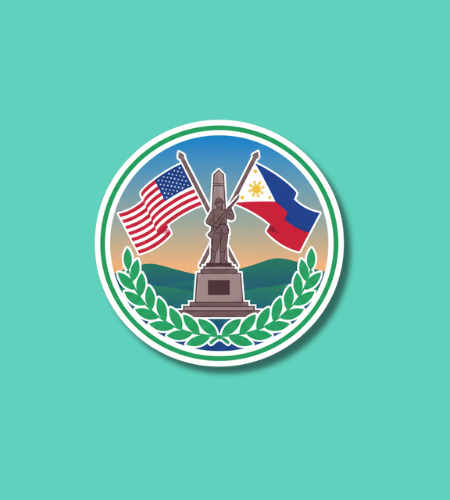
Philippine-American War Memorial Day is observed annually on February 4. This day commemorates the beginning of the Philippine-American War in 1899 and honors the lives lost during the multi-year conflict.
Table of Contents
History of Philippine-American War Memorial Day
The date marks the anniversary of the Battle of Manila, which began on the evening of February 4, 1899. Tensions escalated after the United States annexed the Philippines following the Spanish-American War through the Treaty of Paris. Fighting broke out when an American sentry fired at Filipino soldiers on the San Juan del Monte Bridge, sparking a conflict that transitioned from conventional warfare to a protracted guerrilla campaign. The war officially ended in 1902, though sporadic resistance continued in various regions for several years.
In 2019, the Philippine government officially recognized this day through Republic Act No. 11304. The law designated February 4 as a special working holiday to ensure the sacrifice and bravery of those who fought for Filipino independence are remembered. This legislative move aimed to provide a dedicated space in the national calendar for reflecting on a period of history that was often overshadowed by the events of World War II.
Why is Philippine-American War Memorial Day important?
The observance is vital for acknowledging the high human cost of the struggle for sovereignty. Historical records indicate that at least 200,000 Filipino civilians died from violence, famine, and disease during the conflict, alongside tens of thousands of combatants on both sides. Remembering these events provides a more complete understanding of the Philippine national identity and the long journey toward total independence from colonial rule.
This memorial day also serves an educational purpose within the school system. By mandating activities in educational institutions, the law ensures that younger generations learn about the complex early relationship between the Philippines and the United States. It encourages a balanced view of history that respects the heroism of the revolutionary forces while reflecting on the atrocities and hardships that define the era of the Philippine First Republic.
- The day honors the bravery of Filipinos who defended the first independent republic.
- It raises awareness about a significant historical event often missing from global textbooks.
- Educational programs help students analyze the causes and consequences of the annexation.
- Remembering the war encourages modern efforts toward peace and diplomatic resolution.
- The observance highlights the resilience of the Filipino people through times of occupation.
How to Observe Philippine-American War Memorial Day
Observance typically involves quiet reflection and educational engagement rather than festive celebration. Schools and universities often host seminars, photo exhibits, or lectures that detail the specific battles and political climate of 1899. Many people visit historical landmarks, such as the site of the first shot in Santa Mesa or monuments dedicated to revolutionary generals like Emilio Aguinaldo and Antonio Luna.
In the United States, members of the Filipino-American community may use the day to research their family histories or attend memorial services. Reading historical texts or watching documentaries about the conflict helps to broaden the perspective on American imperial history. Many choose to offer a moment of silence or offer prayers for the hundreds of thousands of civilians who perished during the years of instability and disease that accompanied the war.
- Visit a local historical museum to view artifacts from the late 19th century.
- Participate in school-led activities or lectures focused on the 1899 Battle of Manila.
- Read a biography of a revolutionary leader to understand their role in the war.
- Offer a moment of silence at noon to respect the fallen soldiers and civilians.
- Support historical preservation efforts for landmarks related to the Philippine Revolution.
Philippine-American War Memorial Day Dates Table
| Year | Date | Day |
|---|---|---|
| 2026 | February 4 | Wednesday |
| 2027 | February 4 | Thursday |
| 2028 | February 4 | Friday |
| 2029 | February 4 | Sunday |
| 2030 | February 4 | Monday |
Subscribe to our newsletter and never miss a holiday again!