
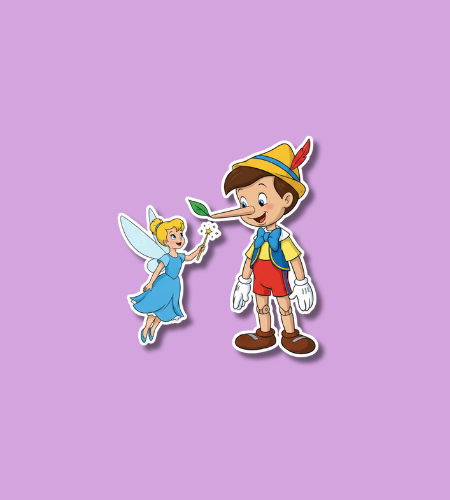
Pinocchio Day is celebrated annually on February 23. The day honors the enduring legacy of the world’s most famous wooden puppet and marks the anniversary of the wide theatrical release of Walt Disney’s animated masterpiece in 1940. It serves as an occasion to appreciate the artistic craftsmanship of puppetry and the moral lessons regarding honesty and integrity that have defined the character for over a century.
Table of Contents
History of Pinocchio Day
The origins of the character trace back to the Italian writer Carlo Lorenzini, known by the pen name Carlo Collodi. He first introduced the puppet in a serialized story titled La storia di un burattino (The Story of a Puppet) in 1881, which was published in the Italian children’s magazine Giornale per i bambini. The full novel, The Adventures of Pinocchio, was released in book form in February 1883. Unlike the gentler versions seen in modern media, Collodi’s original tale was a dark, satirical cautionary story intended to highlight the importance of education and social responsibility during the Italian unification period.
While the character was already a literary icon, the selection of February 23 as Pinocchio Day specifically commemorates the 1940 general release of the Disney film in the United States. Following its world premiere earlier that month in New York City, the wide release brought the character’s expanding nose and the search for “truth, bravery, and selflessness” to a global audience. The film set a new standard for animation technology and introduced characters like Jiminy Cricket, who became the definitive “conscience” of the puppet in popular culture.
Why is Pinocchio Day important?
Pinocchio Day is significant because it celebrates one of the most translated and adapted works in human history. The story has been translated into over 260 languages, making it a universal narrative that transcends cultural borders. It provides a common vocabulary for discussing the concepts of lying and truth-telling, most notably through the “Pinocchio effect,” where the puppet’s nose grows as a physical consequence of his dishonesty. This metaphor remains a powerful educational tool for teaching children about the internal and external weight of their choices.
The observance also honors the art of manual craftsmanship and the tradition of woodcarving. The character of Geppetto represents the selfless creator, and his relationship with his creation explores deep themes of fatherhood and the desire for belonging. By celebrating this day, the public acknowledges the transition from a “lifeless” object to a sentient being, a theme that continues to inspire modern science fiction and discussions about artificial intelligence and what it truly means to be human.
- The story serves as a timeless allegory for the journey toward maturity and self-discipline.
- Pinocchio’s nose is the most recognized visual symbol for lying in global culture.
- The 1940 film was a pioneer in using the multiplane camera to create cinematic depth.
- It highlights the historical importance of Italian literature in the children’s genre.
- The holiday encourages a return to classic storytelling and hand-drawn animation styles.
How to Celebrate Pinocchio Day
Celebrating this day is an opportunity to revisit the original text by Carlo Collodi to discover the differences between the source material and modern adaptations. Many people host movie marathons featuring the various cinematic versions, ranging from the classic 1940 animation to the dark, surrealist live-action interpretations of recent years. For those with a creative spark, the day is perfect for visiting a puppet theater or attempting to build a simple marionette at home using wood, string, and paint.
Educational activities often focus on the “conscience” theme, with teachers and parents using the day to discuss the importance of listening to one’s inner voice. In Tuscany, Italy, fans visit the Pinocchio Park in Collodi, which features sculptures and mosaics dedicated to the character’s adventures. You can also celebrate by practicing the art of storytelling, creating your own “fairy tale” about a wish that comes true, or simply sharing the iconic song “When You Wish Upon a Star” with friends and family to keep the magic of the story alive.
- Read a chapter of the original 1883 novel The Adventures of Pinocchio.
- Watch the 1940 Disney animated film to appreciate its award-winning music.
- Visit a local toy store or woodshop to see hand-carved wooden figures.
- Create a paper-mâché puppet with a nose that can be extended.
- Discuss the moral of the story with children, focusing on the value of honesty.
Pinocchio Day Dates Table
| Year | Date | Day |
|---|---|---|
| 2026 | February 23 | Monday |
| 2027 | February 23 | Tuesday |
| 2028 | February 23 | Wednesday |
| 2029 | February 23 | Friday |
| 2030 | February 23 | Saturday |
Subscribe to our newsletter and never miss a holiday again!