
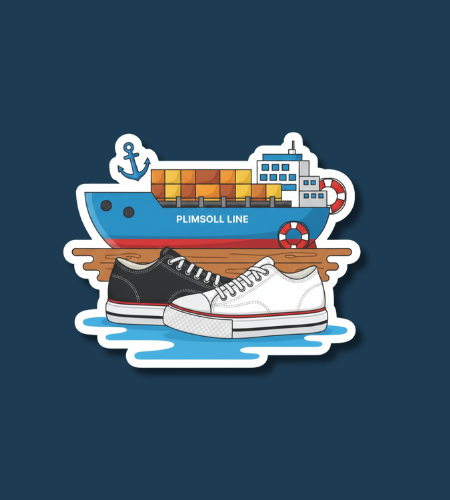
Plimsoll Day is celebrated annually on February 10. This day honors the life and work of Samuel Plimsoll, a British politician and social reformer who dedicated his career to improving the safety of merchant sailors. Known as the “Sailor’s Friend,” Plimsoll is best remembered for his tireless campaign against “coffin ships”—vessels that were intentionally overloaded or poorly maintained by owners seeking to maximize profits through insurance payouts. The observance highlights the importance of industrial safety standards and the moral courage required to challenge powerful interests in favor of human lives. Today, the day is recognized by maritime enthusiasts and safety advocates globally as a reminder of how one individual’s persistence led to international shipping regulations that continue to protect seafarers.
Table of Contents
History of Plimsoll Day
The holiday is observed on the anniversary of Samuel Plimsoll’s birth in 1824. Plimsoll began his investigation into shipping conditions in the 1870s after witnessing the high frequency of shipwrecks caused by overloading. At the time, shipowners often sent crews to sea in vessels that were dangerously deep in the water, sometimes leading to the loss of entire crews. Plimsoll’s publication of the book “Our Seamen” in 1873 brought national attention to these scandals, featuring harrowing accounts of sailors being imprisoned for refusing to board unseaworthy ships.
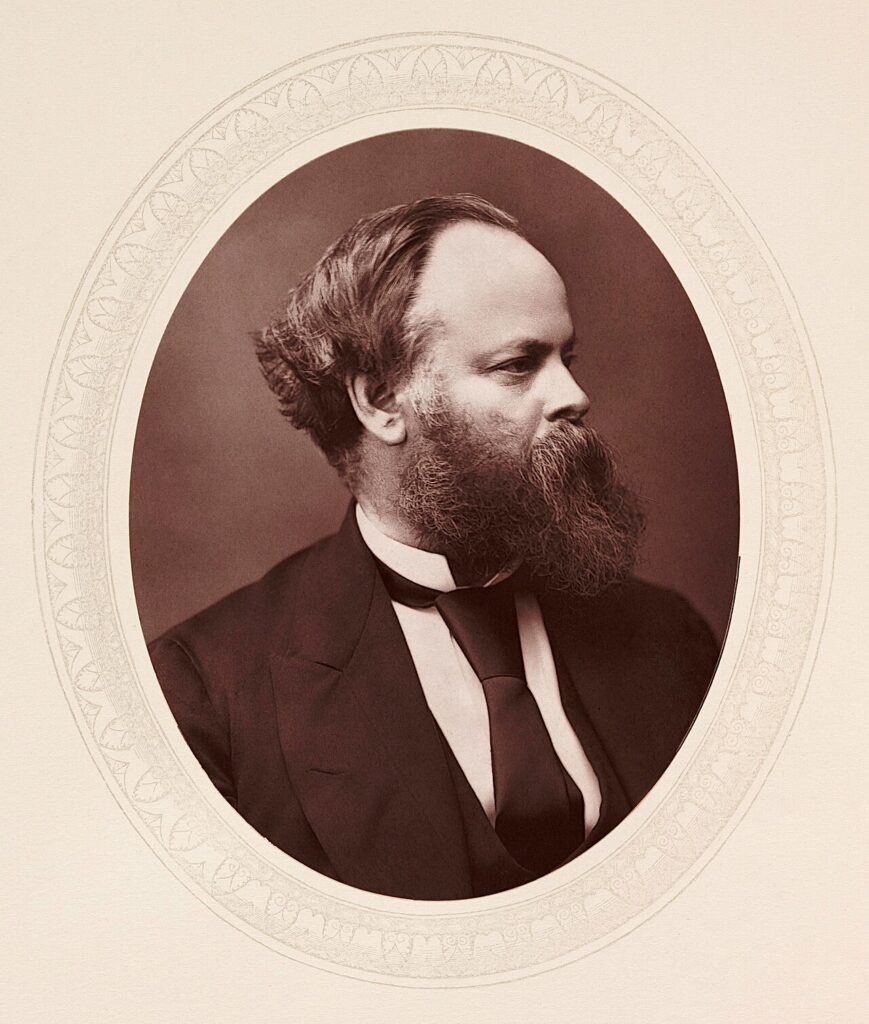
His efforts faced intense opposition from wealthy ship-owning members of Parliament. The conflict reached a peak in 1875 when Prime Minister Benjamin Disraeli attempted to drop a safety bill, prompting Plimsoll to lose his temper in the House of Commons and label his opponents “villains.” This public outburst galvanized the British public, eventually forcing the government to pass the Merchant Shipping Act of 1876. This legislation mandated the use of a load line on every ship’s hull, a mark that eventually became known worldwide as the Plimsoll Line.
Why is Plimsoll Day important?
The legacy of the Plimsoll Line remains a fundamental pillar of maritime law and global trade safety. Before this standard was enforced, there was no legal limit on how much cargo a ship could carry, leaving the lives of workers at the mercy of their employers’ greed. The implementation of a visible load line provided a clear, enforceable method for port inspectors to ensure a vessel was not a sinking risk. This simple geometric mark—a circle with a horizontal line through it—transformed shipping from one of the world’s most dangerous occupations into a regulated industry.
Plimsoll’s work is also historically significant as an early example of consumer and worker advocacy influencing government policy. It demonstrated that public outrage, when fueled by direct evidence and persistent campaigning, could overcome the lobbying power of major industrial giants. The day also serves a quirky role in fashion history, as the rubber-soled canvas shoes known as “plimsolls” were named after the ship’s load line because the rubber banding resembled the mark on a hull, signifying that if water rose above the band, the wearer’s feet would get wet.
- The Plimsoll Line indicates the maximum safe draft for various water conditions.
- It prevents the practice of over-insuring ships to profit from their sinking.
- Modern ships still use updated versions of the mark to indicate salt and fresh water limits.
- The 1876 Act was a major milestone for Victorian-era labor rights and safety.
- Samuel Plimsoll’s activism is credited with saving thousands of lives at sea.
How to Celebrate Plimsoll Day
Observing this day is a great opportunity to explore maritime history and the mechanics of modern shipping. Many people celebrate by visiting maritime museums or local harbors to spot the Plimsoll Line on the sides of active cargo vessels. Learning about the different variations of the mark, such as those for tropical waters or the North Atlantic in winter, provides a more profound understanding of how temperature and salinity affect a ship’s buoyancy. Educators often use the day to conduct simple physics experiments with toy boats and weights to demonstrate the dangers of overloading.
For those who prefer a more casual observation, wearing a pair of classic plimsoll shoes is a common nod to the day’s namesake. Others may choose to read about the social history of the Victorian era or watch documentaries about the “coffin ships” that once plagued the oceans. Sharing the story of Samuel Plimsoll on social media helps raise awareness about the origin of safety standards that many people now take for granted. It is also a time to reflect on the ongoing efforts of modern maritime organizations to protect the health and safety of today’s merchant mariners.
- Go to a local pier and photograph the load lines on different boats.
- Read a biography of Samuel Plimsoll or his influential book “Our Seamen.”
- Conduct a buoyancy experiment with a bowl of water and a small container.
- Wear canvas plimsolls to honor the connection between the shoe and the ship.
- Support maritime charities that provide welfare and assistance to current seafarers.
Plimsoll Day Dates Table
| Year | Date | Day |
|---|---|---|
| 2026 | February 10 | Tuesday |
| 2027 | February 10 | Wednesday |
| 2028 | February 10 | Thursday |
| 2029 | February 10 | Saturday |
| 2030 | February 10 | Sunday |
Subscribe to our newsletter and never miss a holiday again!