
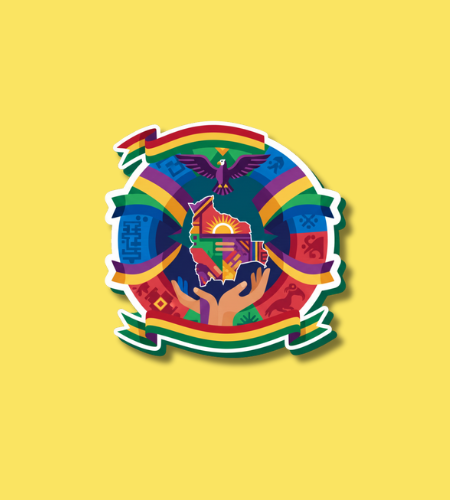
Plurinational State Foundation Day is observed on January 22. This national holiday in Bolivia marks the anniversary of the country being redefined as a plurinational state, a move that formally recognized the diverse indigenous nations and cultures within its borders.
Table of Contents
History of Plurinational State Foundation Day
The origin of this holiday is tied to the political changes led by Evo Morales, Bolivia’s first indigenous president. While the country traditionally celebrated its independence from Spain on August 6, Morales established this new foundation day through a supreme decree in 2010. The date, January 22, was chosen because it coincided with the anniversary of his first inauguration as president in 2006. This transition was intended to signify the “death” of the old Republic and the birth of a new, more inclusive state model.
The legal basis for the holiday is the 2009 Constitution, which officially changed the country’s name from the Republic of Bolivia to the Plurinational State of Bolivia. This constitution granted greater autonomy and representation to 36 indigenous groups, acknowledging their languages, traditions, and land rights as fundamental to the nation. By shifting the focus of national identity toward these roots, the government sought to create a political framework that mirrors the multi-ethnic reality of the Bolivian population.
Why is Plurinational State Foundation Day important?
This day is significant because it represents a fundamental shift in how a modern nation-state can be structured. Instead of pursuing a single, unified national identity that often ignored indigenous heritage, the plurinational model celebrates a collection of distinct nations living under one constitution. It serves as an annual validation of the rights of indigenous people, who historically faced social and political marginalization. The holiday reminds citizens of the ongoing efforts to redistribute wealth and political power to the country’s impoverished and native communities.
Beyond its political implications, the day is a celebration of cultural survival and pride. It provides a formal stage for the display of indigenous symbols, such as the Wiphala flag, which represents the Andean peoples and is now recognized as a national symbol alongside the traditional tricolor flag. The holiday reinforces the idea that diversity is a source of national strength rather than a cause for division. It also offers a moment for the government to report on social progress and economic stability achieved under the new state structure.
- It marks the formal recognition of 36 different indigenous nations within Bolivia.
- The holiday honors the inauguration of the country’s first indigenous president.
- It promotes the use of native languages and traditional customs in public life.
- The day serves as a symbol of decolonization and social transformation.
- It highlights the legal protections for the diverse ethnic groups of the Andes and Amazon.
How to Celebrate Plurinational State Foundation Day
The most visible celebrations take place in major cities like La Paz and Sucre, where large military and civil parades are held. Indigenous groups from across the country travel to these hubs to participate, often wearing traditional clothing and performing ancestral dances to the sound of panpipes and drums. The atmosphere is filled with the colors of various regional costumes and flags. In the legislative sphere, the president usually delivers a state of the nation address to the Plurinational Legislative Assembly, outlining the goals and achievements of the government.
On a local level, many people celebrate by attending community festivals or interdenominational religious services. These services often blend Catholic traditions with indigenous spiritual rituals, such as offerings to Pachamama, or Mother Earth. Families use the day off from work and school to gather for traditional meals and participate in local fairs that showcase native crafts and agricultural products. It is a day where the pride of specific ethnic identities is expressed through music, food, and public gathering.
- Watch the vibrant parades featuring traditional indigenous costumes and music.
- Attend a public ceremony where the Wiphala and national flags are raised together.
- Listen to the presidential address regarding the country’s social and economic progress.
- Participate in traditional Andean or Amazonian rituals honoring the earth.
- Visit a local market to enjoy traditional Bolivian dishes and handmade crafts.
Plurinational State Foundation Day Dates Table
| Year | Date | Day |
|---|---|---|
| 2026 | January 22 | Thursday |
| 2027 | January 22 | Friday |
| 2028 | January 22 | Saturday |
| 2029 | January 22 | Monday |
| 2030 | January 22 | Tuesday |
Subscribe to our newsletter and never miss a holiday again!