
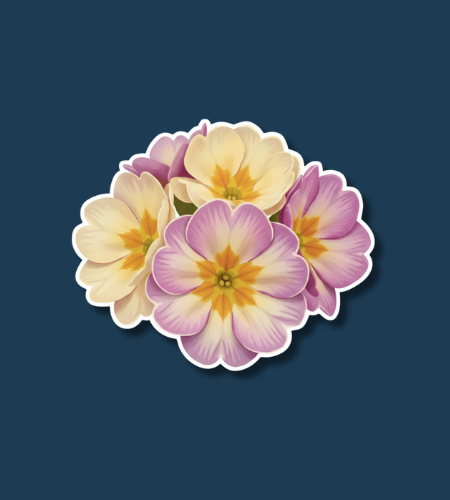
National Primrose Day is observed annually on April 19. This day serves as a dual tribute, celebrating the arrival of one of spring’s earliest wildflowers while simultaneously honoring the memory of the 19th-century British Prime Minister Benjamin Disraeli. Because the primrose was famously his favorite flower, the date of his death has become a traditional time to appreciate the botanical beauty and cultural history of the Primula vulgaris.
About 👉 National Primrose Day
Table of Contents
History of National Primrose Day
The origin of this observance is linked to the death of Benjamin Disraeli, the 1st Earl of Beaconsfield, on April 19, 1881. Following his passing, Queen Victoria sent a wreath of yellow primroses to his funeral with a handwritten note stating they were “his favourite flowers.” This royal gesture captured the public’s imagination, leading to the first official “Primrose Day” in 1882. By 1883, the Primrose League was established—a political organization dedicated to spreading Disraeli’s Conservative ideals—which further popularized the wearing of the flower on this anniversary.
Throughout the late Victorian and Edwardian eras, the holiday grew into a massive cultural event in the United Kingdom. On April 19, the statue of Disraeli in Parliament Square, London, was traditionally draped in elaborate garlands and wreaths of primroses. Supporters across the country wore the pale yellow blooms as buttonholes or pinned them to their hats to signal their political and personal respect for the late statesman. While the political fervor of the Primrose League has since faded, the day remains a significant date for gardeners and historians alike.
Why is National Primrose Day important?
This day is significant because it highlights the intersection of British political history and natural heritage. The primrose is a “herald of spring,” and its name is derived from the Latin prima rosa, meaning “first rose.” By maintaining this holiday, the public is reminded of the importance of preserving native wildflowers and their habitats, such as hedgerows and ancient woodlands. The flower itself is a vital source of early nectar for butterflies like the Duke of Burgundy, making the day a relevant moment for environmental awareness.
Culturally, the day preserves the legacy of Benjamin Disraeli, a figure who rose from a non-aristocratic background to become a pivotal leader of the British Empire. It honors his contributions to social reform and his unique friendship with Queen Victoria. For many, the primrose also carries symbolic weight in folklore; in Irish tradition, it is believed to protect doorways from fairies, while in English lore, it represents youth and purity. The holiday ensures these local stories and traditions are not lost to time.
- The day commemorates the anniversary of Benjamin Disraeli’s death in 1881.
- It recognizes the primrose as the official county flower of Devon, England.
- The holiday promotes the conservation of native spring wildflowers in the UK.
- It honors the historical link between the British monarchy and its prime ministers.
- Families use the day to celebrate the transition from winter to spring.
How to Observe National Primrose Day
Observing National Primrose Day often involves simple, nature-focused activities. Many people take walks through local woodlands or parks to spot primroses in their natural environment, noting their low-growing rosettes and creamy-yellow petals. It is a popular day for gardening enthusiasts to plant primroses in their own flowerbeds or containers, as these hardy perennials are relatively easy to maintain. When planting, it is best to choose a damp, shady spot that mimics their natural forest floor habitat.
In London, traditionalists may still visit Parliament Square to see if tributes have been left at Disraeli’s statue. For those interested in the artistic side of the holiday, the day is an opportunity to explore Victorian paintings that depict “Primrose Day” scenes, such as those by Frank Bramley. Many also choose to wear a single primrose or a yellow ribbon as a subtle nod to the historical tradition. Additionally, some botanical gardens host workshops on wild plant identification or the medicinal history of primroses, which were historically used to treat ailments like gout and paralysis.
- Plant a native primrose in a shady corner of your garden.
- Take a nature walk to photograph wild primroses in bloom.
- Wear a yellow primrose buttonhole to honor the Victorian tradition.
- Visit the Hughenden Valley to see Disraeli’s tomb and memorial.
- Learn about the Duke of Burgundy butterfly and its reliance on the plant.
National Primrose Day Dates Table
| Year | Date | Day |
|---|---|---|
| 2026 | April 19 | Sunday |
| 2027 | April 19 | Monday |
| 2028 | April 19 | Wednesday |
| 2029 | April 19 | Thursday |
| 2030 | April 19 | Friday |
Subscribe to our newsletter and never miss a holiday again!