



Public Gardens Day
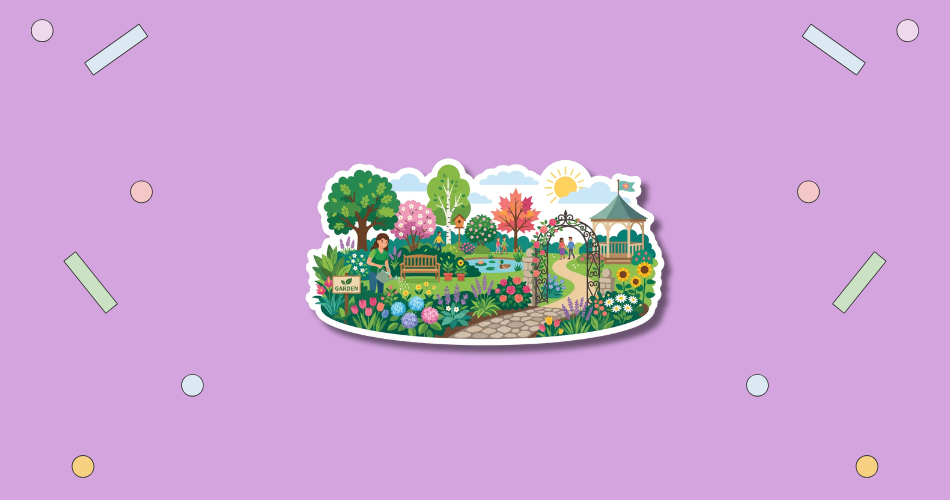
Public Gardens Day is observed on the Friday before Mother’s Day. In 2026, it falls on May 8. This day highlights the importance of public gardens, such as arboreta, botanical gardens, and conservatories, in providing communities with educational resources and environmental stewardship. It encourages people to explore managed green spaces to learn about plant conservation, water management, and sustainable gardening practices. These locations serve as living museums that protect biodiversity while offering a peaceful setting for outdoor recreation.
Contents
See also: National Garden Meditation Day, Weed Out Hate Day, Community Garden Week, National Waterpark Day, Take a Walk in the Park Day, World Nature Conservation Day, Plant Something Day, National Dandelion Day
HT Meter
Does this day matter to you?
Say that it does, and say whether you will be marking it. Both are anonymous to nobody but kind to everybody.
This day matters to me
0 Be the first to say so
First voices
0 Nobody has said so yet
Notes of remembrance
Join those marking this day to share a word, a memory, or the reason it matters to you.
These notes are kept for the people marking this day. Say you will be marking it to read them and to leave your own.
You have already shared a note here recently.
No notes yet. Yours would be the first.
History of Public Gardens Day
The American Public Gardens Association (APGA) established this holiday in 2009 to increase awareness of the educational and environmental contributions of botanical institutions. The association partnered with Rain Bird, a company specializing in irrigation products, to promote the efficient use of water in large-scale landscapes. The initial campaign aimed to invite the public into these gardens to see firsthand how professional horticulturists manage resources and preserve rare plant species. 1
National Gardening Day
In 2010, the holiday received formal recognition when it was discussed on the floor of the United States Senate. Legislators noted that public gardens attract millions of visitors annually and provide critical research that helps prevent plant extinction. Over the years, the observance has grown from a local initiative into a national event involving over 500 participating gardens across North America. Today, the day marks the start of a week-long celebration focused on volunteering and community engagement within these managed natural spaces.
Why is Public Gardens Day important?
Public gardens are vital centers for global plant conservation and scientific research. They maintain extensive collections of endangered plants, providing a genetic safety net for species that may be lost in the wild due to climate change or urban development. Researchers at these institutions study plant genetics and pathology to develop more resilient agricultural crops and to understand the impact of invasive species on local ecosystems. By preserving these plants, gardens ensure that future generations have access to the medicinal and ecological benefits they provide.
These spaces also function as essential community classrooms that teach people of all ages about the natural world. Many gardens host thousands of schoolchildren every year, introducing them to the life cycles of plants and the importance of pollinators like bees and butterflies. In urban environments, public gardens provide critical “green lungs” that improve air quality and help mitigate the heat island effect. They offer accessible areas for residents to experience nature, which has been shown to improve mental health and provide a venue for social gatherings.
- Gardens preserve rare and endangered plant species for future research.
- These spaces provide essential habitat for local wildlife and pollinators.
- Educational programs teach children and adults about environmental sustainability.
- Public gardens offer urban residents a place for physical and mental relaxation.
- Research conducted in these labs helps protect natural ecosystems from disease.
How to Observe Public Gardens Day
Make it yours
How would you like to spend Public Gardens Day?
Tick what fits you, and we will put together ideas made for this day — not for any day.

Plant a Flower Day
The most direct way to participate is to visit a local botanical garden or arboretum. Many participating locations offer free or discounted admission on this Friday to encourage people to explore their trails and greenhouses. You can spend the day taking photographs of seasonal blooms or sketching the different varieties of trees and shrubs you encounter. Check the garden’s calendar for specific events, such as behind-the-scenes tours of research facilities or meet-and-greet sessions with the horticultural staff.
If you are a home gardener, you can use the day to learn about native plants that thrive in your specific climate. Many public gardens have staff experts available to answer questions about water-conserving irrigation techniques and soil health. You might also consider becoming a member or a volunteer to support the garden’s maintenance and conservation programs throughout the year. Sharing your visit on social media with photos of unique plants helps raise awareness and attracts new visitors to these important local institutions.
- Visit a nearby arboretum or botanical garden to see spring flowers.
- Participate in a photo scavenger hunt to document various plant species.
- Join a workshop on water conservation or native plant gardening.
- Volunteer for a spring planting event at a community garden.
- Purchase a membership to support a local garden’s research efforts.
Public Gardens Day Dates Table
| Year | Date | Day of the week |
|---|---|---|
| 2026 | May 8 | Friday |
| 2027 next | May 7 | Friday |