
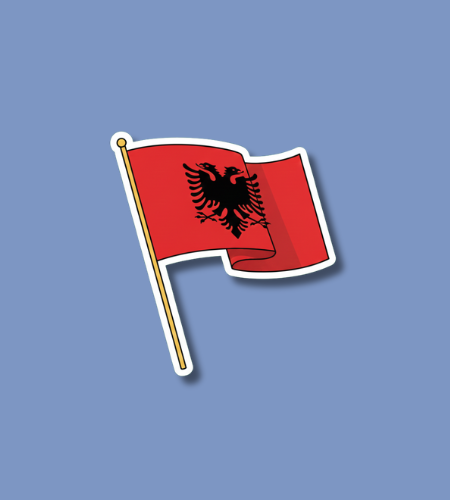
Republic Day in Albania is observed on January 11 each year. This day marks the historical anniversary of the country’s transition into a republic following the events of World War II. It serves as a commemorative occasion to recognize the formal change in the nation’s governance and the establishment of its republican identity. While not a public bank holiday in the modern calendar, it remains a significant date for historians and citizens interested in the evolution of the Albanian state.
Table of Contents
History of Republic Day in Albania
The origins of this day date back to January 11, 1946, when the Constituent Assembly officially declared Albania a People’s Republic. This move effectively abolished the monarchy and ended the reign of King Zog I, who had been in exile since the Italian invasion in 1939. The proclamation followed a period of intense political transition after the country was liberated from Nazi occupation in late 1944. The newly formed government sought to consolidate power and establish a socialist state structure modeled after other Eastern European nations of the era.
This was actually the second time Albania had been declared a republic; the first instance occurred in 1925 under Ahmet Zogu, who later declared himself king. However, the 1946 declaration had a more lasting impact on the country’s administrative and legal framework for the next several decades. In 1976, the name was further modified to the People’s Socialist Republic of Albania. Following the fall of communism in the early 1990s, the nation transitioned into its current form as a parliamentary republic, yet the January 11 date remains the primary historical marker for the republic’s founding.
Why is Republic Day in Albania important?
This day is important because it signifies a definitive shift in the political structure of Albania from a monarchy to a republic. It represents the moment when the country’s legal status was internationally recognized under a new form of government. For many, it serves as a reminder of the post-war efforts to rebuild the nation and establish domestic sovereignty. Understanding this transition is essential for comprehending the current constitutional makeup of the country and the historical struggles for self-determination.
The anniversary also provides a platform for academic and historical reflection on the different stages of Albanian statehood. It allows citizens to examine how the republic has evolved through various iterations, from the socialist era to the modern democratic system. By marking this date, the nation acknowledges its complex political heritage and the leaders who shaped its borders and institutions. It acts as a bridge between the historical resistance of the mid-20th century and the contemporary aspirations of the Albanian people.
- It commemorates the official abolition of the monarchy in 1946
- The day marks the birth of the second republic in Albanian history
- It highlights the historical transition to a sovereign state structure
- The occasion encourages the study of national constitutional development
- It serves as a tribute to the post-war reconstruction of the country
How to Observe Republic Day in Albania
Observing this day often involves visiting the National History Museum in Tirana to view exhibits related to the 1946 proclamation and the subsequent development of the state. Many people take the time to read historical documents or watch documentaries that detail the political environment of the post-World War II era. Educational institutions sometimes host seminars or discussions to help students understand the differences between monarchical and republican systems. While there are no large-scale public festivals, the day is noted in media reports and historical archives across the country.
In some cities, small commemorative events or wreath-laying ceremonies may take place at monuments dedicated to national independence and statehood. Citizens might use the day to engage in civic discussions about the current state of the republic and its future goals. It is a time for quiet reflection on the sacrifices made during the liberation period that led to the formation of the modern state. Some families also visit local libraries to research their own family’s history during this pivotal time in the nation’s past.
- Visit the National History Museum to see state-founding documents
- Read historical articles about the 1946 Constituent Assembly
- Watch televised specials or documentaries about Albanian statehood
- Participate in local academic seminars regarding political history
- Explore historical monuments in Tirana related to the republic
Republic Day in Albania Dates Table
| Year | Date | Day |
|---|---|---|
| 2026 | January 11 | Sunday |
| 2027 | January 11 | Monday |
| 2028 | January 11 | Tuesday |
| 2029 | January 11 | Thursday |
| 2030 | January 11 | Friday |
Subscribe to our newsletter and never miss a holiday again!