
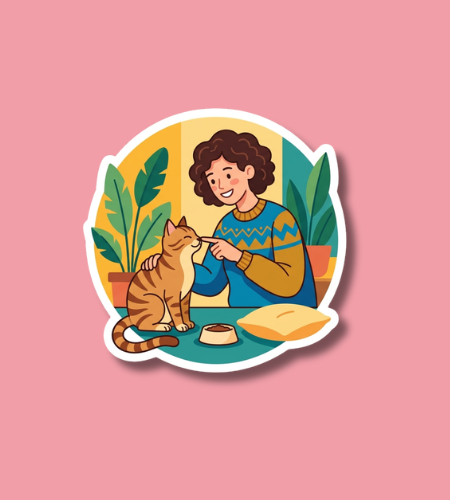
Respect Your Cat Day is observed annually on March 28. This holiday serves as a dedicated reminder for pet owners to acknowledge the unique boundaries, instincts, and independent nature of their feline companions. While many people view cats as low-maintenance house pets, they possess complex social cues and environmental requirements that demand active consideration and understanding. The date is often linked to a historical event in 1384 when King Richard II of England allegedly issued an edict forbidding the consumption of cats, marking an early legal recognition of their status. Respect Your Cat Day encourages a day of mindful interaction and specialized care for the hundreds of millions of domestic cats living worldwide.
Read also about International Rescue Cat Day and Cat Day
Table of Contents
History of Respect Your Cat Day
The modern iteration of this holiday gained significant traction in the early 21st century as animal welfare organizations sought to distinguish it from more general pet appreciation events. While the precise founder of the specific “Respect Your Cat” title is not documented in official records, the day emerged alongside a growing global movement focused on feline behavior and psychological well-being. Unlike generic holidays, this observance emphasizes the concept of consent, highlighting that cats should have the right to choose when and how they interact with humans.
The historical backdrop of the holiday often points toward the medieval period. On March 28, 1384, King Richard II is said to have signed an official decree that protected cats from being used as a food source in England. This edict represented a significant shift in European attitudes, as cats had previously occupied a precarious position between being valued mousers and being feared due to various superstitions. By establishing this day, modern advocates bridge the gap between ancient royal protection and contemporary scientific understanding of feline stress and social communication.
Why is Respect Your Cat Day important?
This day is vital because it addresses common misconceptions about feline behavior that often lead to stressed animals and frustrated owners. Many people interpret a cat’s need for solitude or its refusal to be petted as rudeness or antisocial behavior, whereas these are actually natural survival instincts. By dedicating a day to respect, owners learn to recognize subtle body language, such as ear positioning and tail flicking, which signals when a cat requires space. This education reduces the likelihood of accidental scratches and bites, fostering a safer and more harmonious home environment for both species.
Beyond behavioral understanding, the holiday highlights the physical needs that are often overlooked in domestic settings. Respecting a cat involves providing an environment that allows them to express their natural behaviors, such as climbing, scratching, and hunting. When these needs are ignored, cats can develop chronic stress-related illnesses, anxiety, or obesity. Celebrating this day encourages owners to invest in proper resources, like vertical climbing spaces and interactive feeding puzzles, which directly improve the animal’s quality of life and long-term health.
- Owners learn to interpret subtle tail flicking and ear movements as communication.
- The holiday promotes the importance of non-invasive interaction and feline agency.
- It raises awareness about the physical dangers of declawing and other harmful practices.
- People are encouraged to provide vertical spaces that satisfy a cat’s instinct to perch.
- The day supports local shelters by advocating for the adoption of overlooked adult cats.
How to Observe Respect Your Cat Day
To observe this day properly, start by implementing the five-second rule for petting: stroke the cat for five seconds, then pull your hand away to see if they nudge for more or walk away. This simple act demonstrates that you value their physical boundaries and personal space. You can also audit your home for cat-friendliness by ensuring there is at least one litter box per cat plus an extra one, located in quiet, low-traffic areas. Providing safe zones like a cardboard box or a high shelf where the cat is never disturbed is a fundamental mark of respect.
Another practical way to observe the day is through environmental enrichment that mimics natural hunting patterns. Instead of free-feeding from a bowl, hide small portions of food or treats around the house to encourage foraging. Spend at least fifteen minutes using a wand toy to let your cat hunt and catch its prey before its main meal. This routine satisfies their predatory drive and provides necessary physical exercise. Finally, consider scheduling a veterinary wellness check to ensure that any quiet signs of discomfort or dental issues are addressed before they become serious.
- Practice the slow blink technique to communicate trust and friendship to your cat.
- Install a window perch or cat tree to provide a high-up view of the outdoors.
- Replace standard food bowls with interactive puzzle feeders to stimulate their minds.
- Respect their nap times by never waking a sleeping cat for unprompted affection.
- Donate high-quality food or supplies to a local feline rescue center in their honor.
Respect Your Cat Day Dates Table
| Year | Date | Day |
|---|---|---|
| 2026 | March 28 | Saturday |
| 2027 | March 28 | Sunday |
| 2028 | March 28 | Tuesday |
| 2029 | March 28 | Wednesday |
| 2030 | March 28 | Thursday |
Subscribe to our newsletter and never miss a holiday again!