

Rice Ball Day
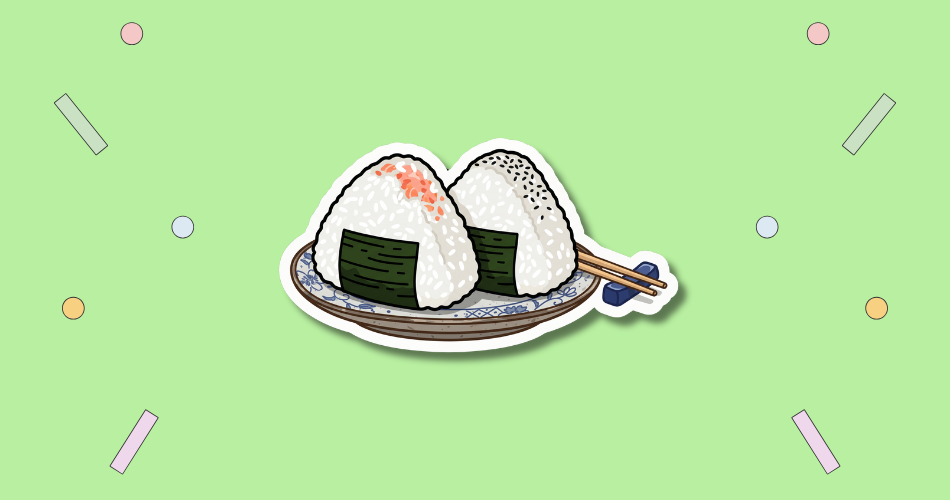
Rice Ball Day is a culinary event dedicated to honoring the cultural and nutritional significance of onigiri, a staple of Japanese cuisine, and it is observed on April 19. In 2027, this date falls on a Monday. While the term refers to any clump of rice formed into a shape, it is most often recognized as the iconic triangle or sphere wrapped in seaweed that has served as a portable meal for travelers and workers for over a millennium.
Contents
Read also about International Sushi Day, National Tempura Day, World Sake Day, Japanese Culture Day
HT Meter
Does this day matter to you?
Tap the meter if it does, and say whether you will be celebrating — that is what opens the wishes from everybody else who will be.
This day matters to me
0 Be the first to say so
Just getting started
0 Let others know you’re in.
Wishes, greetings and stories
Join the celebration to share a wish, a greeting, or how this day goes in your house.
These are kept for the people celebrating this day. Say you will be celebrating to read them and to add your own.
You have already shared something here recently.
Nothing here yet. Yours would be the first.
History of Rice Ball Day
The origins of the rice ball can be traced back to the Yayoi Period, approximately 2,000 years ago, as evidenced by carbonized clumps of rice unearthed in archaeological ruins. During the Heian Period (794–1185), these rice portions were known as tonjiki and were often served at banquets or given to servants as convenient, filling rations. The practicality of the dish made it a favorite among samurai warriors, who carried them into battle as portable, lightweight sustenance that could be eaten without the need for utensils.

International Sushi Day
The modern version of the onigiri, wrapped in dried nori seaweed, became widespread during the Edo Period (1603–1868). This innovation prevented the sticky rice from clinging to the fingers and added a distinct savory flavor. While traditionally handmade by families, the 1980s saw a revolution in the industry with the invention of machines capable of mass-producing the triangular shape. This allowed the rice ball to become a ubiquitous feature of convenience stores and a global symbol of Japanese fast food.
Why is Rice Ball Day important?
This day is important because it celebrates one of the world’s oldest and most efficient forms of portable nutrition. Rice balls are valued for their simplicity, versatility, and ability to keep fresh for several hours, making them an ideal choice for picnics, school lunches, and hiking trips. By dedicating a day to this dish, the holiday encourages people to explore the vast array of fillings and rice varieties that reflect the local agriculture and culinary traditions of different regions.
Beyond its physical properties, the onigiri is a symbol of care and domestic connection. In Japanese culture, a hand-pressed rice ball is often associated with the warmth of a mother’s cooking and the concept of “soul food.” The act of shaping the rice by hand, known as “nigiri,” represents the transfer of positive energy and affection from the maker to the eater. The day serves to preserve this traditional craftsmanship in a world increasingly dominated by processed and industrial meals.
- It honors the historical evolution of one of Japan’s most iconic foods.
- The day promotes the use of rice as a healthy and gluten-free energy source.
- It highlights the innovation of seaweed wrapping for practical food handling.
- Cultural appreciation is fostered through the discovery of traditional fillings.
- The holiday encourages the continuation of handmade culinary traditions.
How to Celebrate Rice Ball Day
Make it yours
How would you like to spend Rice Ball Day?
Tick what fits you, and we will put together ideas made for this day — not for any day.

National Rice Pudding Day
One of the most authentic ways to celebrate is by making your own onigiri at home using short-grain Japanese rice. After cooking the rice and letting it cool slightly, you can practice the hand-shaping technique using a small amount of salt and water to prevent sticking. Filling the center with classic ingredients like salted salmon, pickled plum (umeboshi), or tuna with mayonnaise allows you to customize the flavor to your personal preference.
Many enthusiasts also celebrate by visiting Japanese markets or specialty shops to try modern variations, such as fried rice balls or those wrapped in thin layers of egg or meat. Sharing a photo of your creation on social media or hosting a small “onigiri party” where guests can choose their own fillings is a popular way to spread the joy of the day. For those looking for a different experience, exploring Italian arancini or Chinese zongzi provides a wider perspective on how various cultures have perfected the art of the rice ball.
- Prepare a traditional onigiri bento box for a lunchtime picnic.
- Experiment with unique fillings like spicy roe or grilled eel.
- Watch a tutorial on how to fold nori to keep it crisp until eaten.
- Visit a local Japanese restaurant and order their signature rice ball.
- Share your homemade rice ball designs with friends online.
Rice Ball Day Dates Table
| Year | Date | Day of the week |
|---|---|---|
| 2026 | April 19 | Sunday |
| 2027 next | April 19 | Monday |
| 2028 | April 19 | Wednesday |
| 2029 | April 19 | Thursday |
| 2030 | April 19 | Friday |

Cook it
Make something for Rice Ball Day
Tell us what you feel like making and what you have to work with, and we will write one recipe for it.