

Ronald Reagan Day is observed on February 6. This day of recognition honors the life and legacy of the 40th President of the United States, marking the anniversary of his birth in 1911. While it is celebrated primarily in California, where he served as governor, several other states have also officially recognized the date to commemorate his contributions to American politics and his role in global history.
Table of Contents
History of Ronald Reagan Day
The origins of this observance trace back to the early 2000s when various governors began issuing annual proclamations to honor the former president. In California, Governor Gray Davis issued the first proclamation in 2002. However, it was not until 2010 that the day became a permanent fixture in the state’s legislative calendar. Governor Arnold Schwarzenegger signed Senate Bill 944 into law, designating February 6 as a day of special significance to ensure Reagan’s influence on the state and the nation would be studied in public schools.
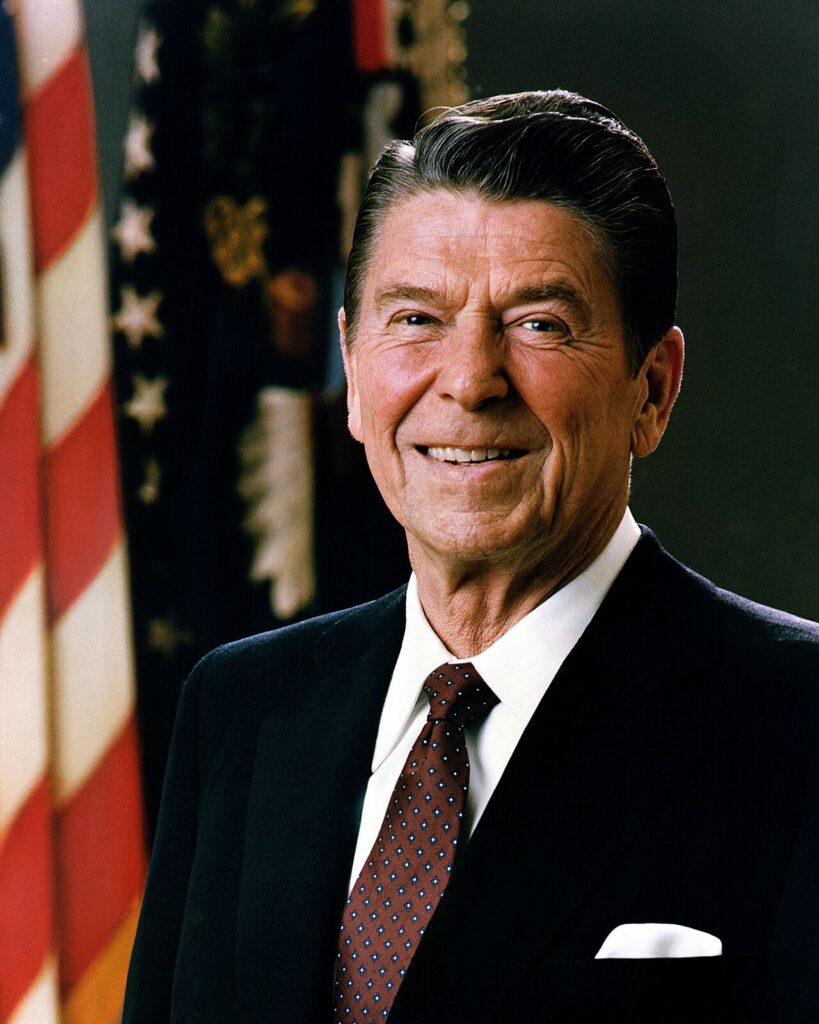
The first official statewide celebration occurred in 2011 to coincide with the centennial of Reagan’s birth. Since then, the movement to honor him has expanded beyond California. States such as Wisconsin and Mississippi have declared it a state holiday or day of recognition. By 2013, 40 different governors across the United States had issued proclamations for the day, reflecting a broad interest in preserving the history of his administration, including his economic policies and foreign diplomacy.
Why is Ronald Reagan Day important?
This day serves as a focal point for reflecting on a pivotal era of American history defined by the Cold War and significant economic shifts. Reagan is frequently cited for his “peace through strength” philosophy, which many historians credit with accelerating the collapse of the Soviet Union. The day provides an opportunity for citizens to examine the principles of modern conservatism that he championed, such as deregulation and tax reduction, which reshaped the nation’s financial landscape during the 1980s.
Beyond his political impact, the observance highlights Reagan’s unique path from a Hollywood actor and union leader to the highest office in the land. His journey represents a distinct chapter in the American narrative regarding leadership and public service. For students and historians, the day is a prompt to engage with the primary documents, speeches, and legislative decisions of his two-term presidency, fostering a deeper understanding of how his leadership influenced subsequent generations of political thought.
- The day marks the birthday of the only California governor to become U.S. President.
- It highlights Reagan’s role in negotiations that led to the end of the Cold War.
- Educational programs focus on the economic theories commonly referred to as Reaganomics.
- The observance honors his service as a lifeguard, where he saved dozens of lives.
- It recognizes his transition from the entertainment industry into a long career of public service.
How to Observe Ronald Reagan Day
Many people observe this day by visiting historical sites associated with his life, such as the Ronald Reagan Presidential Library and Museum in Simi Valley, California. These institutions often hold special exhibits, lectures, or film screenings that detail his time in office and his early life in Illinois. Schools in participating states may dedicate class time to “exercises of remembrance,” where students learn about the 40th president’s impact on the state’s growth and the country’s international standing.
On a more personal level, supporters often share famous quotes or clips of his most influential speeches, such as his address at the Berlin Wall. Community groups may host town hall meetings or quizzes centered on presidential history to encourage civic engagement. Others choose to observe the day by reading biographies or watching documentaries that provide a balanced view of his administration’s challenges and successes, ensuring his historical legacy remains a part of the public conversation.
- Visit a presidential library to view artifacts and documents from the 1980s.
- Read a biography to learn about his early career in radio and film.
- Watch a documentary or a recording of a major presidential address.
- Participate in local school programs that discuss his contributions to California.
- Share historical facts about his presidency with friends or on social media.
Ronald Reagan Day Dates Table
| Year | Date | Day |
|---|---|---|
| 2026 | February 6 | Friday |
| 2027 | February 6 | Saturday |
| 2028 | February 6 | Sunday |
| 2029 | February 6 | Tuesday |
| 2030 | February 6 | Wednesday |
Subscribe to our newsletter and never miss a holiday again!