
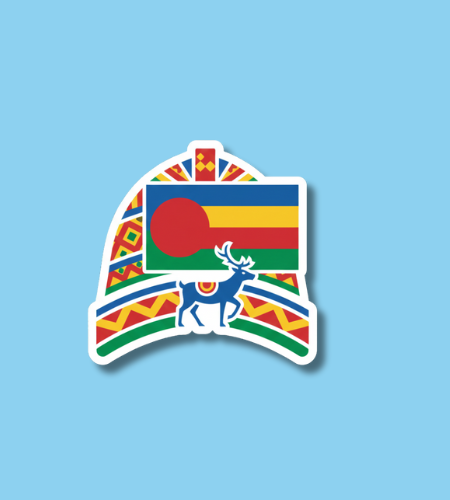
Sami National Day is observed on February 6. This day commemorates the first Sami congress, which was held in Trondheim, Norway, in 1917. It serves as a unified celebration for the indigenous Sami people across the region of Sápmi, which spans parts of Norway, Sweden, Finland, and Russia. The date is a symbol of political cooperation and cultural resilience, transcending modern national borders to honor a shared heritage.
Table of Contents
History of Sami National Day
The roots of this observance date back to February 6, 1917, when the first international Sami meeting took place. Organized by Elsa Laula Renberg, a South Sami woman and activist, the congress brought together hundreds of Sami representatives from Norway and Sweden. This gathering was the first time the Sami people worked collectively across national boundaries to discuss common challenges, including land rights, reindeer herding, and the preservation of their cultural identity against assimilation policies.
Despite the significance of the 1917 meeting, the official national day was not established until decades later. During the 15th Sami Conference in Helsinki in 1992, a resolution was passed to recognize February 6 formally as Sami National Day. The first celebration was held in 1993, coinciding with the United Nations’ International Year of Indigenous People. Since then, the day has grown in visibility, with various countries now flying the Sami flag alongside their own national flags to honor the indigenous population.
Why is Sami National Day important?
This day is a vital expression of unity for a population divided by the borders of four sovereign nations. It provides a platform to celebrate the unique Sami languages, which are at risk of being lost, and to promote the continuing relevance of traditional knowledge in the modern world. The observance helps to educate the broader public about the history of the Sami people, fostering a greater understanding of indigenous rights and the environmental stewardship practiced by these communities for thousands of years.
The significance of the day also lies in its acknowledgment of past injustices while looking toward a more equitable future. It highlights the work of the Sami Parliaments in Norway, Sweden, and Finland, which advocate for the self-determination and cultural protection of their people. By celebrating their anthem and flag, the Sami reinforce their presence as a distinct nation within the Arctic and sub-Arctic regions, ensuring that their traditions, such as reindeer husbandry and handicraft, remain a living part of Northern European identity.
- The day honors the first joint political effort of the Sami people to protect their way of life.
- It raises international awareness about the unique challenges faced by Arctic indigenous groups.
- The observance promotes the use of Sami languages in public life and media.
- It recognizes the contribution of Sami culture to the history and identity of the Nordic countries.
- The day serves as a reminder of the ongoing need to protect traditional grazing and fishing lands.
How to Observe Sami National Day
The most visible way to observe this day is by raising the Sami flag, which features a circular design representing the sun and the moon in red, blue, yellow, and green. Many people choose to wear the “gákti,” a traditional garment whose colors and patterns indicate a person’s geographic origin and family background. It is also a time for community gatherings where traditional “joik”—one of the oldest vocal traditions in Europe—is performed to capture the essence of people, animals, or places.
Food is a central part of the celebration, with many households preparing “bidos,” a hearty reindeer meat stew, or serving fresh fish and berries foraged from the land. In larger cities like Oslo or Tromsø, the week surrounding the holiday often includes reindeer racing championships, outdoor markets, and film festivals dedicated to Sami stories. For those outside the Sami community, the day is an opportunity to visit museums or cultural centers to learn about “duodji,” the intricate traditional handicrafts made from natural materials like birch and reindeer antler.
- Fly the Sami flag to show respect for the indigenous culture of Sápmi.
- Listen to joik music or attend a live performance by Sami artists.
- Cook and share a meal featuring traditional ingredients like reindeer meat or cloudberries.
- Wear items of clothing or accessories that incorporate the official Sami colors.
- Read literature or watch documentaries created by Sami filmmakers to understand their perspective.
Sami National Day Dates Table
| Year | Date | Day |
|---|---|---|
| 2026 | February 6 | Friday |
| 2027 | February 6 | Saturday |
| 2028 | February 6 | Sunday |
| 2029 | February 6 | Tuesday |
| 2030 | February 6 | Wednesday |
Subscribe to our newsletter and never miss a holiday again!