
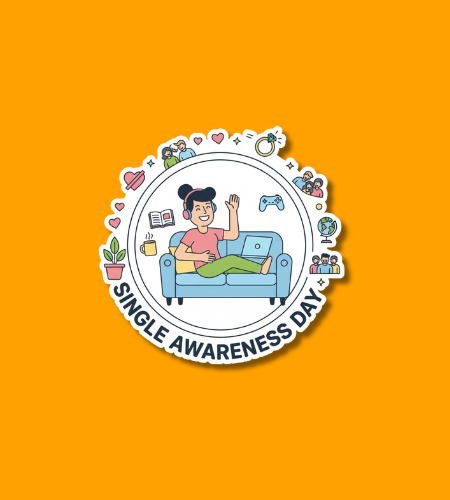
Single Awareness Day is observed annually on February 15. This holiday serves as a lighthearted response to Valentine’s Day, providing a dedicated time for uncoupled individuals to celebrate their independence and self-reliance. While the acronym for the day—S.A.D.—is a humorous nod to the potential blues of being single, the actual intent is to flip the narrative and focus on the freedom, personal growth, and platonic bonds that define life outside of a romantic partnership.
Table of Contents
History of Single Awareness Day
The origins of the holiday are credited to Dustin Barnes, a high school student in Mississippi during the late 1990s. Barnes created the day for his group of friends who felt excluded by the pervasive romantic pressure of Valentine’s Day. He initially chose February 15 as a way to “reclaim” the calendar, ensuring that his peers had their own distinct celebration once the red and pink commercial displays of the previous day had concluded. The concept resonated with the growing “singles” demographic and quickly spread through college campuses and online forums.
By the early 2000s, the holiday gained significant mainstream traction as a form of “Galentine’s” or “Palentine’s” alternative. It was officially copyrighted in 2005 and has since evolved into a global movement. Retailers and restaurants eventually began to recognize the demographic’s purchasing power, shifting the focus from “anti-romance” to “pro-self-care.” Today, the day is part of a broader cultural shift that validates singlehood as a valid, fulfilling lifestyle choice rather than a temporary waiting period for marriage or partnership.
Why is Single Awareness Day important?
This day is significant because it provides a necessary psychological buffer against the societal expectation that happiness is tied exclusively to romantic status. By dedicating a day to those who are single, the holiday helps reduce the stigma and “loneliness” narrative often amplified by mid-February marketing. It encourages individuals to invest in their most important relationship—the one they have with themselves—promoting mental well-being and self-compassion.
The celebration also highlights the vital role of friendship and community. Often, romantic holidays overlook the deep, supportive bonds that exist between friends, siblings, and colleagues. Single Awareness Day puts these non-romantic connections at the forefront, acknowledging that a “soulmate” can be a best friend or a mentor. It serves as a reminder that being single offers unique opportunities for spontaneous travel, career focus, and personal hobbies that might be more difficult to manage within the compromises of a relationship.
- It challenges the social stigma often associated with being uncoupled.
- The day promotes the importance of self-love and internal validation.
- It highlights the strength and value of platonic friendships and family ties.
- The occasion allows for a “reset” after the commercial pressure of Valentine’s Day.
- It empowers individuals to celebrate their personal achievements and independence.
How to Celebrate Single Awareness Day
The most popular way to celebrate is by treating oneself to something special, often taking advantage of the “day-after” sales. Since Valentine’s Day candy and gift sets are typically marked down by 50% or more on February 15, many people go on “plunder” runs to stock up on discounted treats. Others use the day for a “spa day” at home or a trip to the cinema to see a movie without having to compromise on the genre. The day is essentially a “hall pass” for unapologetic indulgence and relaxation.
Group activities are also a staple of the holiday. Many friends organize “Single’s Only” dinners, game nights, or weekend getaways to celebrate their collective freedom. On social media, the day is marked by sharing empowering quotes, memes about the perks of having the whole bed to oneself, and photos of personal adventures. Whether it is volunteering for a favorite cause or finally starting a new DIY project, the celebration is about doing exactly what makes the individual happy on their own terms.
- Buy your favorite chocolates or flowers at the post-Valentine’s clearance prices.
- Organize a “Palentine’s” dinner or game night with your closest single friends.
- Book a solo activity like a massage, a cooking class, or a solo hike.
- Unplug from social media to avoid comparison and focus on your own peace.
- Spend time on a hobby that you genuinely enjoy but rarely have time for.
Single Awareness Day Dates Table
| Year | Date | Day |
|---|---|---|
| 2026 | February 15 | Sunday |
| 2027 | February 15 | Monday |
| 2028 | February 15 | Tuesday |
| 2029 | February 15 | Thursday |
| 2030 | February 15 | Friday |
Subscribe to our newsletter and never miss a holiday again!