
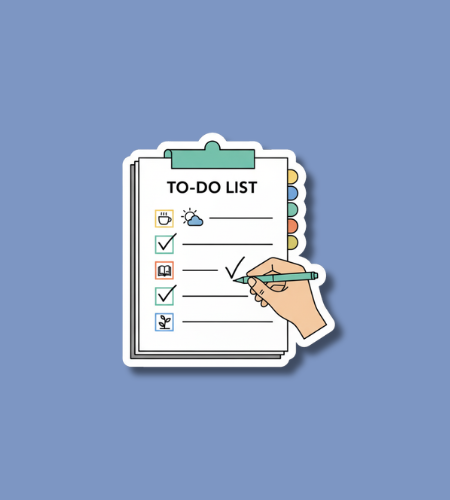
Single Tasking Day is observed annually on February 22. This day serves as a practical reminder to move away from the modern habit of juggling multiple responsibilities at once. Instead of dividing attention between emails, phone calls, and work assignments, the holiday encourages individuals to immerse themselves fully in one activity until it is finished. By focusing on a single objective, people can reduce the mental fatigue caused by constant task-switching and improve the overall quality of their output.
Table of Contents
History of Single Tasking Day
The origins of Single Tasking Day can be traced back to the early 21st century as a direct response to the digital revolution. During this period, the rapid growth of smartphones and social media created an environment where constant interruptions became the norm. The holiday emerged as a grassroots movement to reclaim concentration and mental clarity. It gained significant traction between 2010 and 2020 as scientific studies began to debunk the myth that multitasking is an efficient way to work, showing instead that it often leads to a higher rate of errors.
As the mindfulness movement grew in the 2010s, Single Tasking Day became a focal point for productivity experts and health advocates. These specialists highlighted that the human brain is not biologically designed to process multiple high-level cognitive tasks simultaneously. The day was established to highlight the benefits of “deep work,” a state of distraction-free concentration. Since then, it has evolved into a global observance where businesses and individuals alike set aside time to practice mono-tasking as a means of improving professional performance and personal well-being.
Why is Single Tasking Day important?
Single tasking is essential for brain health because it prevents the cognitive overload that occurs when the mind frequently switches gears. Every time a person shifts their focus from one task to another, there is a “switching cost” that results in lost time and decreased accuracy. Research indicates that frequent multitaskers actually have a harder time filtering out irrelevant information compared to those who focus on one thing. Celebrating this day allows individuals to reset their attention spans and experience the increased productivity that comes with a singular focus.
Beyond professional efficiency, the day is important for emotional and psychological stability. Constant multitasking is a major contributor to elevated cortisol levels, which can lead to chronic stress and burnout. By choosing to do one thing at a time, people often report a greater sense of calm and a higher level of satisfaction with their results. This practice fosters a state of flow, where a person becomes so engaged in their current activity that they lose track of time, leading to more creative and thoughtful outcomes.
- Single tasking reduces the time lost to the mental lag of switching activities.
- Focusing on one project at a time helps prevent avoidable mistakes.
- The practice lowers heart rates and reduces feelings of being overwhelmed.
- Quality of work increases when the brain provides its full processing power to one task.
- Finishing one objective before starting another provides a clearer sense of accomplishment.
How to Observe Single Tasking Day
Observing this day requires a deliberate effort to remove distractions from your immediate environment. You can start by silencing all non-essential notifications on your phone and computer to prevent digital interruptions. Setting a specific timer for a single task—such as 25 or 50 minutes—can help you stay committed to that one goal without the urge to check other messages. It is also helpful to close unnecessary browser tabs and physical clutter on your desk that might pull your eyes away from your primary work.
Practical observation also extends to your personal life and daily habits. You can practice single tasking by eating a meal without looking at a screen or going for a walk without listening to a podcast. Engaging in a hobby like painting, reading, or gardening is an excellent way to train the mind to stay present. The goal is to notice when your mind starts to wander toward other chores and gently bring your focus back to the current moment. Telling coworkers or family members about your intent can also help ensure you are not interrupted during your focused time.
- Close every browser tab that is not related to the task you are currently doing.
- Put your phone in a different room or a drawer to eliminate the urge to scroll.
- Eat your lunch away from your workspace to focus entirely on the food.
- Set a clear priority list and do not move to the next item until the first is done.
- Take a walk in nature while leaving your headphones and mobile devices at home.
Single Tasking Day Dates Table
| Year | Date | Day |
|---|---|---|
| 2026 | February 22 | Sunday |
| 2027 | February 22 | Monday |
| 2028 | February 22 | Tuesday |
| 2029 | February 22 | Thursday |
| 2030 | February 22 | Friday |
Subscribe to our newsletter and never miss a holiday again!