
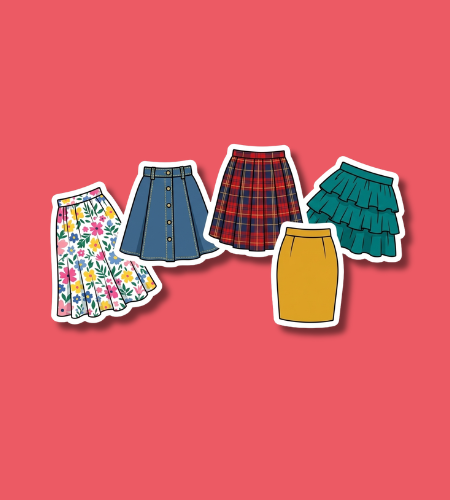
Skirt Day is observed on March 10. This holiday celebrates one of the world’s oldest and most versatile garments, encouraging people to embrace the freedom and style offered by skirts of all lengths and designs. It serves as a lighthearted transition into spring fashion, highlighting the skirt’s transition from a historical necessity for both genders into a modern symbol of self-expression.
Read also about National Dress Day
Table of Contents
History of Skirt Day
While the specific founder of Skirt Day remains unknown, the holiday began appearing on informal cultural calendars in the late 1990s. Some records suggest it was first observed in 1998 as a way to promote feminine fashion and the ease of wear associated with the garment. The date has since evolved into a global trend, often coinciding with other celebrations of women’s history and rights throughout the month of March.
The garment itself is among the oldest in human history, second only to the loincloth. Archaeologists discovered a straw-woven skirt in the Areni-1 cave in Armenia that dates back nearly 5,900 years, proving that tailored wrap-around clothing existed long before written records. In ancient Egypt, men and women both wore the “shendyt,” a simple rectangular cloth wrapped around the lower body. It was only over several centuries that social norms in the West shifted the skirt primarily into the category of women’s attire, though traditional versions like the Scottish kilt continue to be worn by men.
Why is Skirt Day important?
The observance of this day is significant because it recognizes the social and political evolution of clothing. Throughout history, the length and shape of a skirt have often reflected the status and autonomy of the wearer. In the 1960s, the introduction of the miniskirt became a powerful symbol of youth rebellion and women’s liberation, challenging traditional dress codes. Celebrating the skirt acknowledges its role as a tool for personal agency and a canvas for cultural identity, such as the ribbon skirts used by Indigenous communities to signify resilience and connection to the earth.
From a practical perspective, the day encourages a break from the uniformity of modern trousers. Skirts offer various health and comfort benefits, allowing for better air circulation and ease of movement. By dedicating a day to this apparel, the fashion industry and consumers alike focus on the diversity of body types, as there is a skirt style—from A-line to pencil to maxi—that can flatter every figure. It promotes confidence and allows individuals to showcase their personal aesthetic through different fabrics, patterns, and silhouettes.
- The oldest known skirt was made of straw and dates back to approximately 3900 BCE.
- Skirts were originally worn by both men and women for thousands of years across various civilizations.
- The 1920s “flapper” style marked a major shift toward shorter, more functional hemlines for women.
- Modern skirts are often used in professional settings to convey a sense of authority and elegance.
- The holiday helps highlight the environmental benefits of versatile, long-lasting clothing items.
How to Observe Skirt Day
The most direct way to observe this day is to choose a favorite skirt from your wardrobe and wear it to your daily activities. Many people use the occasion to step out of their comfort zones by trying a style they normally avoid, such as a bold pleated midi or a structured wrap skirt. Since the holiday falls in early March, it is a popular time for “skirt swaps,” where friends gather to trade gently used garments, refreshing their closets without the environmental impact of new purchases.
For those interested in the history of fashion, visiting a local museum with a costume collection can provide insight into how silhouettes have changed over the decades. Sharing photos of your outfit on social media with the holiday hashtag helps connect with a global community of fashion enthusiasts. Some schools and workplaces also use the day as a fun theme for “formal-wear” events, encouraging participants to learn about the cultural significance of different traditional skirts from around the world.
- Wear your favorite skirt to work, school, or a social gathering to mark the occasion.
- Host a small clothing swap with friends to discover new styles and recycle garments.
- Research the cultural history of traditional skirts like the kilt, sarong, or ribbon skirt.
- Take a photo of your skirt-based outfit and share it with the #NationalSkirtDay tag.
- Learn about the different types of fabrics, such as linen or wool, used in historical skirt making.
Skirt Day Dates Table
| Year | Date | Day |
|---|---|---|
| 2026 | March 10 | Tuesday |
| 2027 | March 10 | Wednesday |
| 2028 | March 10 | Friday |
| 2029 | March 10 | Saturday |
| 2030 | March 10 | Sunday |
Subscribe to our newsletter and never miss a holiday again!