



Special Recreation for the Disabled Day

Special Recreation for the Disabled Day is observed every year on July 2. In 2027, this date falls on a Friday. The observance focuses on accessible recreation, adaptive activities, and the right of people with disabilities to take part in sports, arts, play, fitness, and community programs. It recognizes that recreation is not an extra luxury; it can support health, confidence, friendship, independence, and quality of life. The day also points attention toward practical inclusion, such as accessible facilities, respectful communication, adapted equipment, and programs designed with real participation in mind. 1 2
Contents
HT Meter
Does this day matter to you?
Say that it does, and say whether you will be marking it. Both are anonymous to nobody but kind to everybody.
This day matters to me
0 Be the first to say so
Quietly remembered
0 Nobody has said so yet
Notes of remembrance
Join those marking this day to share a word, a memory, or the reason it matters to you.
These notes are kept for the people marking this day. Say you will be marking it to read them and to leave your own.
You have already shared a note here recently.
No notes yet. Yours would be the first.
See also: Helen Keller Day, World Inclusion Day, International Day of Persons with Disabilities
History of Special Recreation for the Disabled Day
The exact founder and first year of Special Recreation for the Disabled Day are not clearly confirmed by reliable public sources. The subject behind the day, however, has a strong social and legal background. For much of history, many people with disabilities were excluded from ordinary recreation because of inaccessible buildings, limited transportation, lack of adaptive equipment, and narrow assumptions about what participation should look like. Over time, disability rights advocacy helped shift public expectations toward access, inclusion, and equal opportunity.
National Disability Independence Day
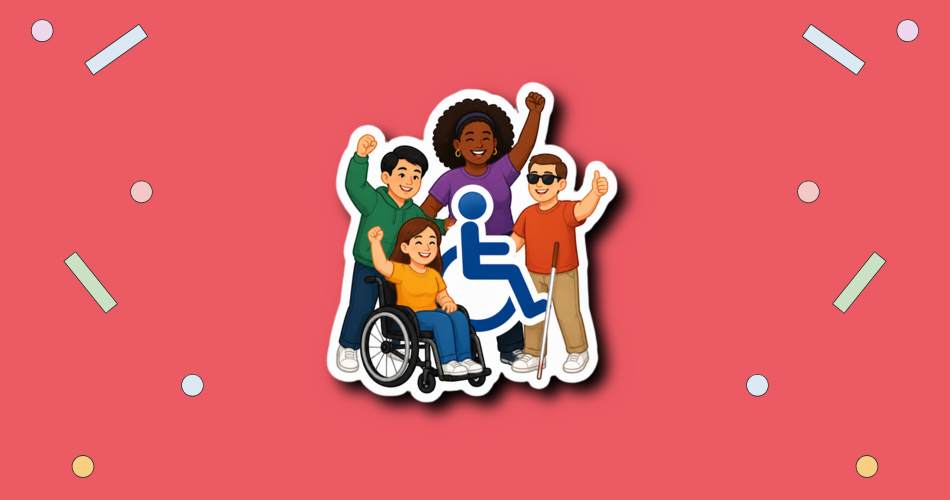
Today, the observance is connected with adaptive and inclusive recreation in a broad sense. That can include wheelchair sports, swimming with accessible pool entry, adaptive playgrounds, art programs, dance, gardening, music, outdoor activities, and community outings. The idea is not that every person must enjoy the same activity in the same way. It is that recreation programs should be flexible enough for people with different bodies, senses, communication styles, and support needs to take part with dignity.
Why is Special Recreation for the Disabled Day important?
Special Recreation for the Disabled Day matters because recreation affects daily life in ways that are easy to overlook. A game, class, trail, pool, gym, art room, or community event can become a place where a person builds strength, learns a skill, spends time with friends, and feels included. When those spaces are not accessible, the result is not just inconvenience; it can mean isolation and fewer chances to be active. The day brings attention to barriers that can often be reduced through better planning, training, equipment, and listening.
It also broadens the way people think about disability and participation. Inclusion is not limited to ramps or doorways, even though physical access is essential. It can also mean clear registration information, sensory-aware events, staff who understand accommodation requests, transportation options, flexible rules, and welcoming attitudes. Good recreation design benefits many people, including older adults, children, caregivers, and people recovering from injuries.
- Accessible recreation supports health and independence.
- Inclusive programs help reduce social isolation.
- Adaptive activities make participation more realistic.
- Respectful support protects dignity and choice.
- Better access strengthens the whole community.
How to Observe Special Recreation for the Disabled Day
Make it yours
How would you like to spend Special Recreation for the Disabled Day?
Tick what fits you, and we will put together ideas made for this day — not for any day.

Special Kids Day
Look for local adaptive recreation programs, inclusive sports leagues, accessible parks, sensory-friendly events, or arts activities that welcome people with disabilities. Families and caregivers can use the day to ask recreation centers about accommodations before signing up for classes or outings. Program leaders can review whether registration forms, bathrooms, seating, routes, equipment, and staff training actually support participation. A small improvement, such as clearer access information online, can make it easier for someone to join.
The day is also a good moment to listen to people with disabilities about what access means in practice. A program may be technically open to everyone but still hard to use if staff are unsure how to adapt activities or if transportation and communication needs are ignored. Schools, parks departments, fitness centers, libraries, and community groups can treat inclusion as an ongoing responsibility rather than a one-day message. Thoughtful recreation begins with asking what people need, then making participation easier without making anyone feel like a burden.
- Ask a local center about adaptive programs.
- Share clear access details for an event.
- Support an inclusive sports or arts group.
- Review a playground, pool, or trail for barriers.
- Ask before helping and respect the answer.
Special Recreation for the Disabled Day Dates
| Year | Date | Day of the week |
|---|---|---|
| 2026 | July 2 | Thursday |
| 2027 next | July 2 | Friday |
| 2028 | July 2 | Sunday |
| 2029 | July 2 | Monday |
| 2030 | July 2 | Tuesday |