
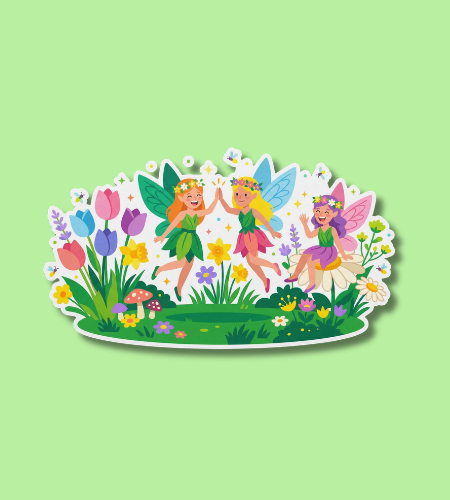
Spring Fairy Fun Day is celebrated on March 21. This day is dedicated to the whimsical side of the spring equinox, encouraging people to embrace the “magic” of nature’s renewal. It focuses on the folklore of fairies who, according to various legends, wake up from their winter slumber to help flowers bloom and bring color back to the world.
Table of Contents
History of Spring Fairy Fun Day
The exact origin of Spring Fairy Fun Day is not tied to a single founder or a specific historical document, but it has grown as a modern grassroots celebration of the changing seasons. It draws inspiration from ancient European folklore, particularly Celtic and Germanic traditions, where the transition from winter to spring was often attributed to spirits or “hidden folk” inhabiting the forests. These myths suggest that as the sun crosses the celestial equator, the veil between the human world and the fairy realm becomes thin, allowing the “spring fairy” to herald the arrival of new life.
In recent years, the holiday has gained popularity through online communities and family-oriented festivals that seek to make the spring equinox more engaging for children. It serves as a lighthearted counterpart to more formal astronomical or religious observances held at this time of year. While established holidays like International Fairy Day occur in June, March 21 was designated for this specific “fun day” to celebrate the literal “springing” of plants from the ground and the return of outdoor activity.
Why is Spring Fairy Fun Day important?
This day is significant because it encourages a playful connection with the environment during a major seasonal shift. By focusing on the concept of fairies, the holiday promotes a sense of wonder and stewardship for the natural world, particularly gardens, woodlands, and local parks. It provides a creative framework for people to notice the small, often overlooked signs of spring, such as the first buds on a tree or the return of specific birds, by framing them as magical events.
The observance also serves as a mental health boost, emphasizing “good vibes” and the lightness of the new season. After the dark and cold months of winter, having a dedicated day for “magic” and joy helps individuals transition into a more active and optimistic mindset. It fosters imagination and artistic expression, which are vital for cognitive development in children and stress relief in adults. The day reminds participants that the earth’s awakening is a transformation worth celebrating with curiosity and kindness.
- It encourages children to explore the outdoors with a sense of wonder.
- The day promotes the preservation of local green spaces and wildlife.
- It highlights the historical role of folklore in explaining natural cycles.
- Awareness fosters creative hobbies like gardening, painting, and storytelling.
- It provides a low-pressure way for families to celebrate the equinox together.
How to Celebrate Spring Fairy Fun Day
A popular way to celebrate is by creating a “fairy garden” using small plants, stones, and miniature accessories in a pot or a quiet corner of a yard. This activity combines gardening with art and provides a permanent spot to observe nature throughout the spring. Many people also choose to dress in bright, floral colors or “fairy-inspired” clothing to match the vibrancy of the season. Simple acts of kindness, such as gifting flowers to a neighbor or leaving “magic” notes for children, are common ways to spread the holiday’s theme of joy.
For a more immersive experience, you can take a “fairy walk” in a local forest or botanical garden, looking for “fairy rings” of mushrooms or interestingly shaped tree roots. Reading fairy tales or folk stories aloud is a traditional way to honor the day’s roots in oral history. Many communities host small fairs featuring face painting, craft vendors, and costume parades. The goal is simply to indulge in whatever brings lightness to your day, whether that involves dancing in the living room or planting a new row of primroses.
- Build a small fairy house using twigs, bark, and dried leaves.
- Plant a “pollinator garden” to attract real-life winged visitors like butterflies.
- Wear a floral crown or bright green clothing to welcome the season.
- Write a whimsical poem or short story about a spring adventure.
- Leave a small, eco-friendly “treasure” for someone else to find in a park.
Spring Fairy Fun Day Dates Table
| Year | Date | Day |
|---|---|---|
| 2026 | March 21 | Saturday |
| 2027 | March 21 | Sunday |
| 2028 | March 21 | Tuesday |
| 2029 | March 21 | Wednesday |
| 2030 | March 21 | Thursday |
Subscribe to our newsletter and never miss a holiday again!