
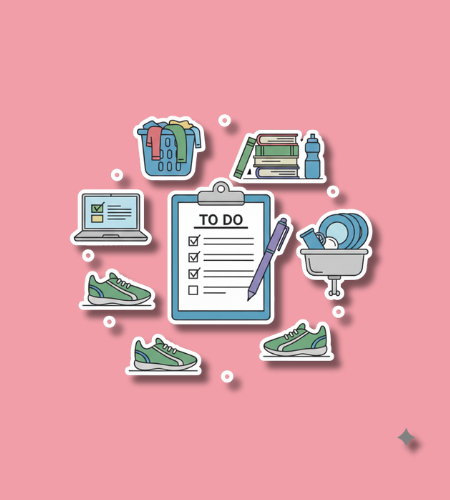
Still Need To Do Day is observed annually on December 29. This day serves as a final push to address the tasks, errands, and personal goals that have been postponed throughout the year.
Table of Contents
History of Still Need To Do Day
Thomas and Ruth Roy of Wellcat Holidays established this date to provide a final opportunity to address pending tasks before the new year begins. It occurs during the quiet period between Christmas and New Year’s Eve when many people have a break from their regular work or school schedules. The creators intended for the day to serve as a practical motivator to stop procrastinating on home repairs and personal projects that were delayed during busier months.
The concept acknowledges that while the end of the year brings celebration, it also brings the pressure of unfulfilled intentions. By designating a specific day for unfinished business, the holiday helps individuals clear their mental to-do lists. This tradition has grown into a popular cultural reminder to transition into January with a sense of organization and readiness rather than a backlog of chores.
Why is Still Need To Do Day important?
This observance is significant because it helps reduce the psychological burden caused by incomplete tasks. Procrastination often leads to a cycle of minor stress that can dampen the enjoyment of the holiday season. By spending a dedicated day checking off items from a list, people experience a measurable boost in mood and a renewed sense of control over their daily environment.
Completing small repairs or administrative errands also provides practical benefits for the upcoming year. It ensures that households and personal finances are in order before tax seasons or new academic terms begin. For many, this day serves as a bridge between the reflection of the past year and the active planning required for future goals, turning stagnant intentions into concrete actions.
- Finishing lingering chores provides a sense of accomplishment and closure
- Tackling small home repairs prevents minor issues from becoming expensive problems
- Organizing personal paperwork simplifies the start of the next calendar year
- The day serves as a practical alternative to overwhelming New Year’s resolutions
- Completing old tasks frees up mental energy for new creative projects
How to Observe Still Need To Do Day
One effective way to observe the day is to perform a brain dump by writing down every task currently causing mental clutter. This list should include everything from answering overdue emails to replacing a lightbulb or cleaning out a cluttered drawer. Selecting three to five high-priority items to finish by the end of the day ensures the goal remains manageable and provides a clear sense of progress.
Families can participate together by turning the day into a collaborative effort to organize shared living spaces. Parents can encourage children to sort through old toys or finish a school assignment before classes resume. For others, the day might involve making final charitable donations or completing significant purchases that need to be recorded within the current tax year. The focus is on moving items from the pending column to the completed column.
- Create a list of three small tasks that can be finished in one hour
- Clean out the refrigerator to prepare for a healthy start to January
- Return any borrowed items or library books that are sitting around the house
- Fix a leaky faucet or tighten loose screws on household furniture
- Respond to any personal messages or holiday cards that were set aside
Still Need To Do Day Dates Table
| Year | Date | Day |
|---|---|---|
| 2026 | December 29 | Tuesday |
| 2027 | December 29 | Wednesday |
| 2028 | December 29 | Friday |
| 2029 | December 29 | Saturday |
| 2030 | December 29 | Sunday |
Subscribe to our newsletter and never miss a holiday again!