
Sudan Independence Day is observed on January 1. This national holiday commemorates Sudan’s declaration of independence from the dual administration of Egypt and the United Kingdom in 1956. It is a day of profound national significance, marking the birth of the Republic of Sudan as a sovereign African nation and the end of colonial rule.
Table of Contents
History of Sudan Independence Day
The path to Sudan’s independence was a complex process involving decades of nationalist movements. For much of the first half of the 20th century, Sudan was governed as an Anglo-Egyptian condominium. This meant that while British officials held the primary administrative power, Egypt also maintained a formal claim to the territory. Following the 1952 Egyptian Revolution, the new Egyptian government dropped its claims over Sudan, paving the way for Sudanese self-determination.
In 1953, an agreement was reached between the United Kingdom and Egypt to grant Sudan a three-year period of self-government, leading to a referendum on its future status. However, the Sudanese parliament decided not to wait for a plebiscite. On December 19, 1955, the parliament unanimously passed a resolution declaring independence. On January 1, 1956, the British and Egyptian flags were lowered at the Republican Palace in Khartoum, and the new Sudanese national flag was raised for the first time, officially ending over 50 years of colonial administration.
Why is Sudan Independence Day important?
This day is significant because it represents the culmination of the Sudanese people’s struggle for dignity and the right to govern their own land. It serves as a reminder of the unity required to achieve a major national goal and honors the political leaders and activists who negotiated the country’s exit from foreign rule. For many, it is a day to reflect on the nation’s diverse heritage and the shared identity that binds its many ethnic and linguistic groups together.
The observance also provides a moment for the nation to assess its progress and the challenges it has faced since 1956. While Sudan has experienced periods of internal conflict and political transition, Independence Day remains a foundational pillar that reinforces the concept of a sovereign Sudanese state. It is a day that reaffirms the principles of liberty and self-reliance, encouraging the younger generation to take pride in their history while working toward a more stable and prosperous future.
- Sovereignty:
It marks the end of the Anglo-Egyptian condominium and the start of full autonomy. - Pioneers
The holiday honors the members of the first parliament who voted for freedom. - Pioneering Independence
It celebrates the birth of one of the first independent nations in sub-Saharan Africa. - National Unity
The day fosters a common identity across Sudan’s vast and diverse geography.
How to Celebrate Sudan Independence Day
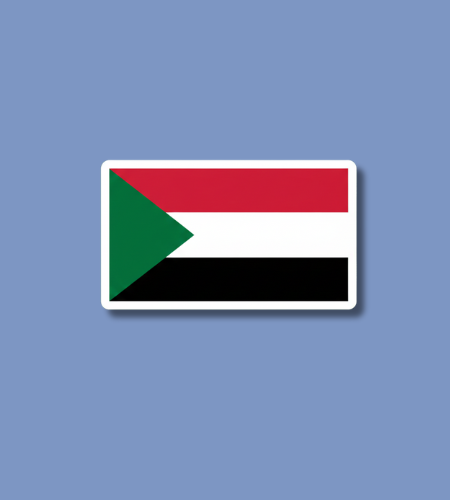
Celebrations in Sudan traditionally involve large-scale public events, though recent years have seen these tempered by the political and humanitarian situation. In the capital, Khartoum, military parades and air shows often mark the occasion, with high-ranking officials delivering speeches from the Republican Palace. The streets are frequently decorated with the national flag—a horizontal tricolor of red, white, and black with a green triangle on the hoist side.
In the diaspora, Sudanese communities gather for cultural festivals that showcase traditional music, such as “Haqiba,” and traditional dances. Families often prepare large celebratory meals featuring national dishes. Many people use the day to share stories of the independence struggle with their children and to discuss the current state of their homeland.
Traditional Observances
- Flag Hoisting
Displaying the national flag at homes, businesses, and public squares. - Traditional Cuisine
Preparing dishes like Ful Medames (fava beans) or Aseeda (porridge) with savory stews. - Poetry and Literature
Since Sudan has a rich literary tradition, many celebrate by reading or reciting nationalist poetry. - Community Gathering
Meeting with friends and family to listen to traditional music and reflect on the nation’s journey.
Sudan Independence Day Dates Table
| Year | Date | Day |
|---|---|---|
| 2026 | January 1 | Thursday |
| 2027 | January 1 | Friday |
| 2028 | January 1 | Saturday |
| 2029 | January 1 | Monday |
| 2030 | January 1 | Tuesday |
Subscribe to our newsletter and never miss a holiday again!